
Livraison le jour même ou le lendemain

Qualité garantie

Débloquez vos offres de bienvenue: Livraison GRATUITE | Jusqu'à -80 % | 30 jours d'essai gratuits à JoyPlus
Téléchargez l'application
A leaking bottle in a school bag, a bin bag that tears just as you're taking it out, or a lunch box that's too small to last the whole day – practical household and family products need to meet a real, everyday need. Yet product descriptions often highlight a design, a capacity or a general promise without spelling out the product's limitations.
Before you place an order, three common pitfalls keep cropping up:
The capacity should match how you plan to use the product and how often. A 500 ml reusable children's water bottle is usually fine for a school day or a short activity. A 700 ml bottle gives you more fluid, but its weight when full needs to stay manageable to carry.
For taking meals with you, a 1.5 L food thermos is better suited to sharing, long days or trips away, rather than a simple solo lunch. Also check the opening diameter: a wide-mouth insulated lunch box is easier to fill, use and clean.
For waste, don't just rely on the stated volume. Measure the height and circumference of your bin. 30 L bin bags often fit standard household bins, while 50 L bin bags are designed for taller or larger containers.
The material directly affects weight, lifespan and how you should use the product:
Care is just as important as the material. A water bottle should be taken apart if its cap has several components. A litter tray needs to let you easily reach the drawer or the bottom. For a night-time menstrual pant, check the size, washing instructions and recommended wear time from the manufacturer. Commercial claims are no substitute for medical advice.
A drawstring closure makes a full bag easier to handle. A sealed bottom reduces the risk of leaks, but no bag should ever contain sharp objects without proper protection. For food containers, make sure the lid screws on properly and avoid turning the container upside down if the instructions advise against it.
Hot drinks need extra care: some children's bottles are designed only for cold or room-temperature liquids. Similarly, a biodegradable burger box may be fine for transporting sandwiches or pasta, but its use depends on the manufacturer's recommendations and the temperature of the food.
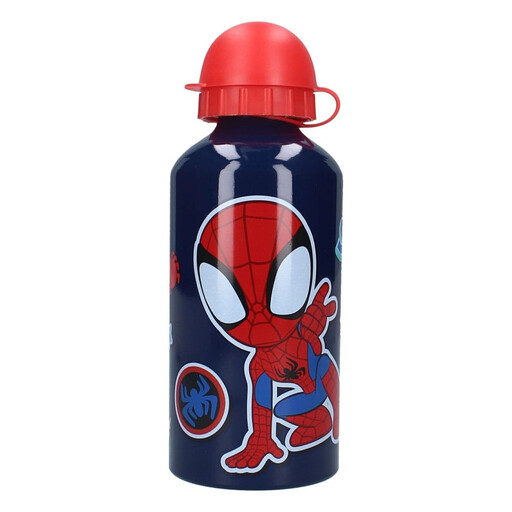
Why this choice suits this profile: Its 500 ml size is ideal for school, journeys and short trips out. The Spider-Man design can also help a child get on board with using the bottle.
The capacity is clearly stated and the bottle is reusable. The product page specifies that it is intended for cold drinks and should be washed by hand.
Aluminium, 500 ml capacity, practical cap and stated dimensions of 19 × 7 × 7 cm.

Why this choice suits this profile: Its 1.5 L size and wide opening are ideal for sharing meals, business trips and outings that need a large quantity of food.
The product page clearly states the capacity, the 316 stainless steel and the claimed heat retention time of 4 to 6 hours, rather than just making a vague promise.
316 stainless steel, vacuum insulation, leak-proof lid and wide opening.
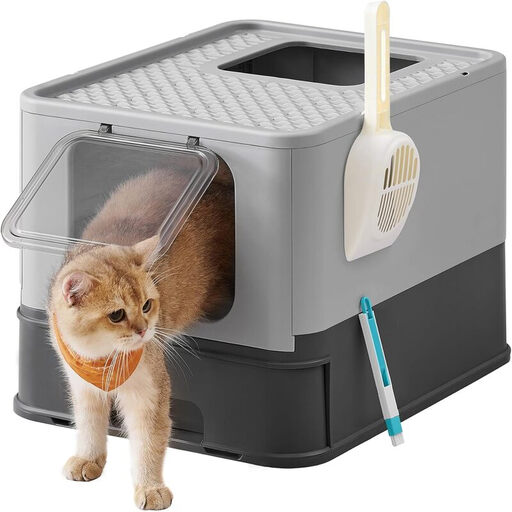
Why this choice suits this profile: This tray is designed for cat owners who want an accessible drawer, protection from scatter, and a space suitable for cats weighing up to 15 kg.
The internal and external dimensions are given. Thanks to the removable drawer, routine cleaning doesn't require taking the whole tray apart.
Sliding drawer, scoop and brush included, base stated as leak-proof and adjustable access.
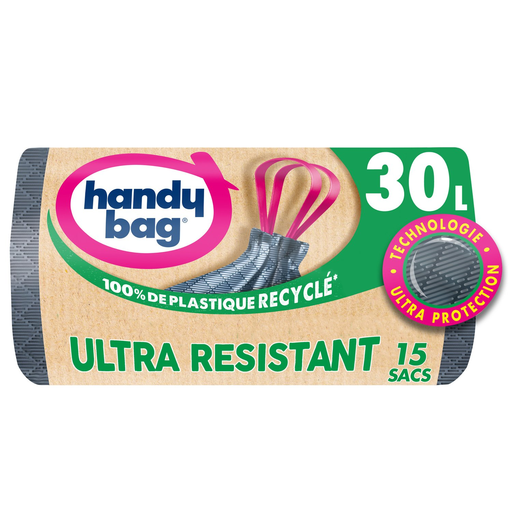
Why this choice suits this profile: Its 30 L size is ideal for everyday household waste, while the drawstring closure makes it easy to carry the bag once it's full.
The volume, dimensions of 55 × 63 cm and the presence of a sealed bottom are all detailed, making it easy to compare with your bin.
Three-layer film, 15 bags per roll, drawstring handles and recycled plastic according to the product page.
We've put together a comprehensive, real-time updated selection of products that meet these exacting criteria and European safety standards.
For school, a capacity of 400 to 500 ml helps keep the school bag light. A 700 ml model will be better for sports activities, day trips or days when access to a water refill point is limited. Always check the empty weight, the type of cap and the recommended age.
How long you can use it depends on the condition of the container, the seal and the lid. Replace it if you notice a leak, any warping, a persistent smell or damage to the inside surface. To keep its insulation performance at its best, follow the washing instructions and preheat or pre-cool the container when the instructions recommend it.
Compare the cost per use, not just the purchase price. A reusable bottle can cut down on buying disposable bottles, while a roll of bags should be chosen based on the actual volume of your bin. For storage, a properly sized 25 L food container avoids the need for multiple packets. Finally, choose products where spare parts, cleaning methods and end-of-life instructions are clearly documented.