
Livraison le jour même ou le lendemain

Qualité garantie

Débloquez vos offres de bienvenue: Livraison GRATUITE | Jusqu'à -80 % | 30 jours d'essai gratuits à JoyPlus
Téléchargez l'application
A functional home isn’t just about how many square metres you have. The dimensions, materials and installation method all play a part in everyday comfort. Whether it’s a bathroom storage cabinet, a shallow shoe rack, a comfortable pair of shoes or a tool designed for hard-to-reach spots, a few checks are all it takes to avoid a purchase that doesn’t quite work.
A cupboard might look compact on a product page, yet still need plenty of clearance to open its doors or drawers. Before you order, measure the width, depth and height available. Don’t forget to account for skirting boards, light switches and walkways.
A piece of furniture advertised as holding several pairs of shoes may not be suitable for boots, high-tops or shoeboxes. Similarly, an adjustable shelf is only useful if its range actually lets you change the internal layout.
A tall or heavily loaded cabinet must be fixed to the wall if the manufacturer supplies an anti-tip device. In a bathroom, repeated splashes can also damage engineered wood panels. As for suede, it can change appearance if you use the wrong cleaning product or method.
For a narrow shoe cabinet, depth is often the deciding factor. A depth of around 24 to 30 cm can make installation in a hallway easier, but check that your shoe length and door opening remain compatible. A stackable shoe rack also needs to stay stable once it’s full.
With its 30 cm depth, a tall bathroom cabinet can make use of an unused corner. However, avoid installing it in an area that gets regularly splashed. Also allow enough space for cleaning and for opening the compartments fully.
The maximum load stated by the manufacturer refers to a static situation: the weight is distributed and not subject to sudden movements. For a cabinet, check the load each shelf and drawer can support. For a tool, the material, mechanism and working angle often matter more than just the number of pieces.
A set of ratcheting combination wrenches designed for tight spaces becomes more manoeuvrable when its re-set angle is small. The DURATECH set featured here uses a 144-tooth mechanism, with a claimed working arc of 2.5°, and is made from chrome-vanadium steel. These features are useful for car maintenance, machinery and household assembly, but you still need to choose a wrench suited to the torque required.
MDF and particle board are fine for many indoor uses, as long as you avoid direct moisture and stick to the recommended load. Metal is generally easy to clean on a shoe rack, while suede needs a suitable brush and drying away from heat sources.
For the Birkenstock Boston suede clogs, be sure to check the brand’s size guide. The product page states a narrow width and recommends that wider feet consider going up a size. The metal buckle lets you adjust the fit, but it doesn’t replace checking your foot length and width.
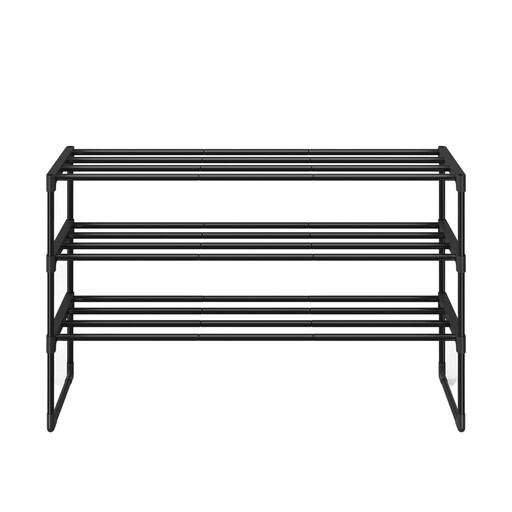
Why this choice suits this profile: With dimensions of 30 × 92 × 55 cm, this rack fits easily into a hallway, cupboard or living room when every centimetre counts. Its tool-free assembly also makes it ideal for a first installation.
Its three tiers and the ability to flip or stack the structure let you adapt the storage to your home’s layout, rather than being stuck with a one-size-fits-all design.
A metal tube frame, with a stated static load of 10 kg per tier and 30 kg total.
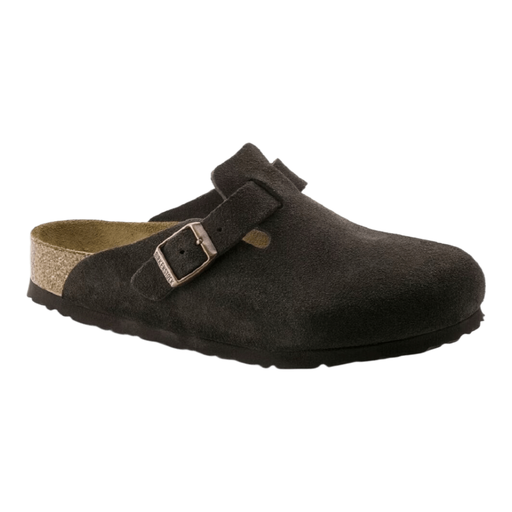
Why this choice suits this profile: This closed-toe suede leather style plays the versatility card, with a recognisable silhouette and an adjustable buckle strap. It fits easily into a wardrobe looking for a pair that’s both distinctive and easy to wear.
The narrow width is clearly stated: you can’t miss it without checking your foot shape. The specific care instructions for suede are also provided.
A leather upper and insole lining, an EVA outsole, and European sizes 36 to 40 according to the product page.
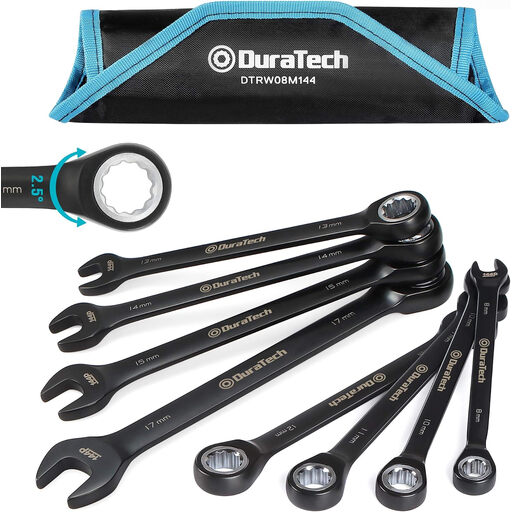
Why this choice suits this profile: This set is aimed at DIYers, mechanics and anyone who regularly works in tight spaces. It covers metric sizes from 8 to 17 mm.
With a claimed re-set arc of 2.5°, this wrench remains usable in confined spaces where a traditional model would need more clearance.
Eight chrome-vanadium steel wrenches, a black chrome finish and a practical roll-up pouch for storage and transport.
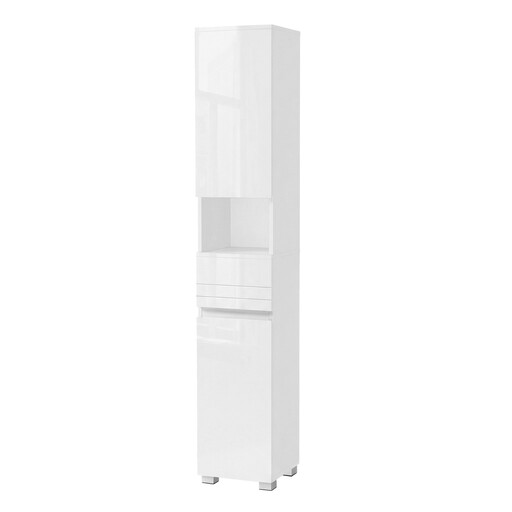
Why this choice suits this profile: With dimensions of 30 × 30 × 170 cm, this white cabinet uses height rather than width. It can hold towels, cleaning products and accessories in several rooms around the house.
The adjustable shelves and reversible doors let you adapt the internal layout and door opening direction. To secure the cabinet, be sure to install the anti-tip kit provided.
Six compartments split between shelves, drawers and cupboards, with a stated static load of 10 kg per shelf and per drawer.
Start by measuring the available depth and noting the position of pipes, sockets and doors. A tall, narrow model can free up floor space, as long as it can be fixed to the wall and isn’t directly exposed to water.
It depends on the load, how often you move it and the environment it’s in. Stick to the maximum capacity per tier, avoid sitting on it and check the connectors regularly. A metal frame can generally be cleaned with a slightly damp cloth, then dried.
For everyday jobs on metric nuts, a ratcheting combination wrench set offers several sizes in a compact format. Its mechanism is especially handy when your range of movement is limited. For heavy use, though, choose the tool based on the nut size, accessibility and torque required, rather than just the number of teeth.