
Livraison le jour même ou le lendemain

Qualité garantie

Débloquez vos offres de bienvenue: Livraison GRATUITE | Jusqu'à -80 % | 30 jours d'essai gratuits à JoyPlus
Téléchargez l'application
In an age where our smartphones are the centre of our lives, a dead battery is more than just an inconvenience—it's a source of real anxiety. The external battery, or power bank, has emerged as the go-to solution. Yet, when faced with a jungle of options and vague marketing promises, choosing the right model often feels like an uphill battle.
Our mission as editors is to separate fact from fiction for you. We've analysed the most common pitfalls and the criteria that truly matter so you'll never regret a purchase again.
Before you even start comparing models, let's learn to outsmart the marketing claims that often hide nasty surprises.
To make the right choice, forget the marketing jargon and focus on these key technical specifications. They are what will determine your power bank's performance and usefulness in your daily life.
Output Power (in Watts): This is the most critical factor for charging speed.
Capacity (in mAh), Properly Understood:
Ports and Life-Changing Features:
Rather than an endless list, here is our curated selection. For every need, there's a proven performer, chosen based on the objective criteria we've just covered.
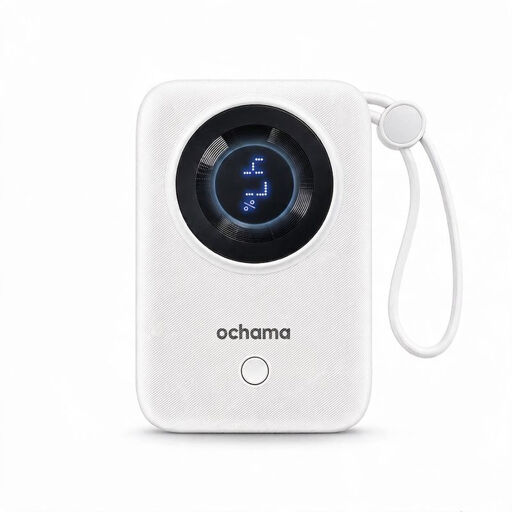
Why it stands out: The perfect all-in-one solution for daily commutes. Compact enough for a jacket pocket or a small bag, it puts an end to the chore of carrying cables. Simple, effective, and hassle-free.
No more cable headaches! By directly integrating a Lightning and a USB-C connector, it tackles the main pain point of portable chargers: forgetting the right cable.
Built-in cables (Lightning/USB-C) and a handy LED screen to know the exact remaining battery percentage.
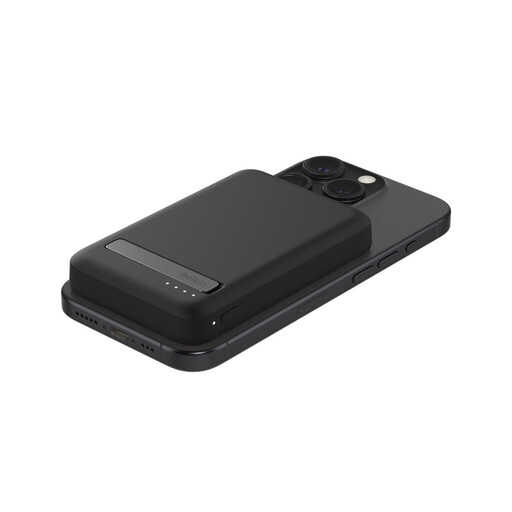
Why it stands out: Designed for recent iPhone users who demand the simplicity of magnetic wireless charging. The Qi2 certification ensures fast, reliable charging, while Belkin's reputation is a guarantee of safety for premium devices.
No false promises here. Fast charging is the real deal with a 15W Qi2 certification (the new wireless standard) and 20W of power via wired USB-C PD. Speed is guaranteed, with no nasty surprises.
15W Qi2 magnetic charging (MagSafe compatible) and Pass-through technology to charge the power bank and your phone at the same time.
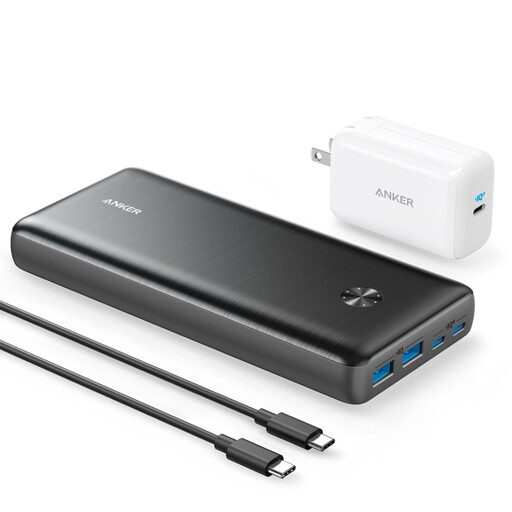
Why it stands out: For those who can't afford to run out of power. With its colossal capacity and firepower, this battery can charge a phone multiple times, a tablet, and even a laptop like a MacBook Air or Pro. It's peace of mind for multi-day trips or professionals on the move.
Its strength? Raw, uncompromising power. Where other high-capacity batteries struggle to deliver a fast charge, its 87W via USB-C is the real deal and can power the most power-hungry devices.
25,600mAh capacity and an 87W output capable of charging a laptop. A benchmark product from the Anker brand.
Discover our full selection of external batteries, all rigorously selected for their performance, reliability, and compliance with safety standards.
1. How many times can a 10,000mAh power bank charge my iPhone? First, you have to account for efficiency loss (around 30-35%). A 10,000mAh battery therefore delivers around 6,500mAh in reality. Knowing that an iPhone 15 Pro's battery is about 3,300mAh, the math is simple: you'll get almost two full charges (6500 / 3300 ≈ 1.97). For a standard smartphone, expect about 1.5 to 2 recharges.
2. Can I take a power bank on a plane? Yes, but be careful: only in your carry-on luggage. Lithium batteries are strictly forbidden in checked baggage for safety reasons. Most airlines set the limit at 100 Wh (watt-hours) per battery. To give you an idea, a 20,000mAh battery (at 3.7V) is 74 Wh, and a 27,000mAh model comes close to 100 Wh. Nearly all commercially available power banks are therefore accepted.
3. Can a power bank damage my phone? With a power bank from a reputable brand (Anker, Belkin, etc.), the risk is virtually zero. The real danger comes from cut-price, 'no-name' models that skip essential safety certifications and protections (against overheating, short-circuits, overcharging). It's better to invest a few extra dollars in a certified product to protect a smartphone that's worth several hundred.