
Livraison le jour même ou le lendemain

Qualité garantie

Débloquez vos offres de bienvenue: Livraison GRATUITE | Jusqu'à -80 % | 30 jours d'essai gratuits à JoyPlus
Téléchargez l'application
Powdered milk has plenty going for it: it keeps for a long time, is easy to store and is suitable for all kinds of uses. It can be used as an occasional substitute for liquid milk in a drink, pancake batter, sauce or professional preparation. The key is choosing the right product, as not all milk powders perform equally well in every recipe.
Before placing your order, three common mistakes are worth avoiding:
Whole milk powder generally contains more fat. Product listings for several options state around 28% fat, giving drinks, sauces and desserts a creamier texture.
Skimmed milk powder, offered by brands including Régilait and Blanca, has a significantly lower fat content. However, it may taste less rounded. It is particularly suitable for recipes that already contain butter, cream or eggs.
The right choice therefore depends mainly on the recipe:
Instant milk powder is designed to mix more easily with water. This is a real advantage at breakfast, in the office or in a kitchen where you want to prepare your drink without wasting time.
To avoid lumps, pour in some of the water first, gradually add the powder, then top up with the remaining water before mixing. Lukewarm water often makes dissolving easier, but always follow the instructions on the packaging. In baking, the powder can also be added directly to the dry ingredients when the recipe calls for it.
The ingredients list helps you distinguish powder made mainly from milk from a preparation enriched with vegetable fats, sugars or flavourings. Several products featured here contain soya lecithin, which is used as an emulsifier. Anyone with allergies must therefore check the labelling carefully before consuming the product.
For comparison, a 900 g tin of NIDO Nestlé states that, per 100 g, it contains 28.2 g of fat and 25.7 g of protein. Two Cows 900 g displays similar values, with around 28.2 g of fat and 25.7 g of protein. These figures do not guarantee a particular taste or recipe result, but they do provide an objective basis for comparing products.
For a product marketed as high-protein powdered milk, check the following in particular:
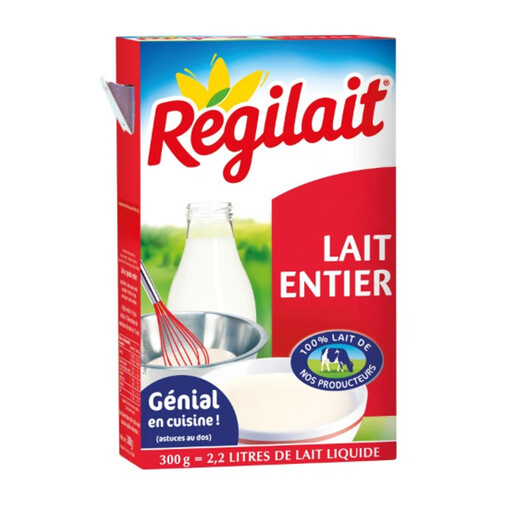
Why this product suits this shopper: At 300 g, this format keeps the initial cost down and is ideal for a first try in coffee, drinks or a few homemade recipes.
The smaller format reduces the risk of leaving a large tin open for weeks. The product listing states that it can be kept for up to four weeks after opening, in a dry place.
Whole milk, stated to dissolve instantly, with 26 g of protein and 26 g of fat per 100 g according to the product listing.
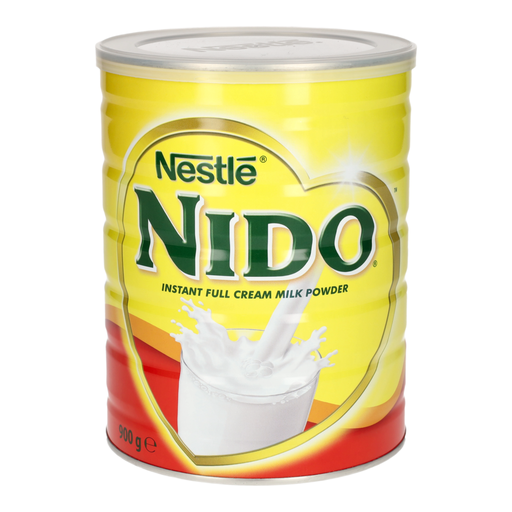
Why this product suits this shopper: The 900 g tin is aimed at households that use powdered milk regularly and want a whole milk option for drinks, cooking and baking.
The product listing details a composition of 99.70% whole milk powder and 0.30% soya lecithin. This means you can check what the product actually contains, rather than relying solely on the claims on the packaging.
28.2 g of fat and 25.7 g of protein per 100 g, in a 900 g format. The product listing recommends keeping the tin closed in a cool, dry place after opening.
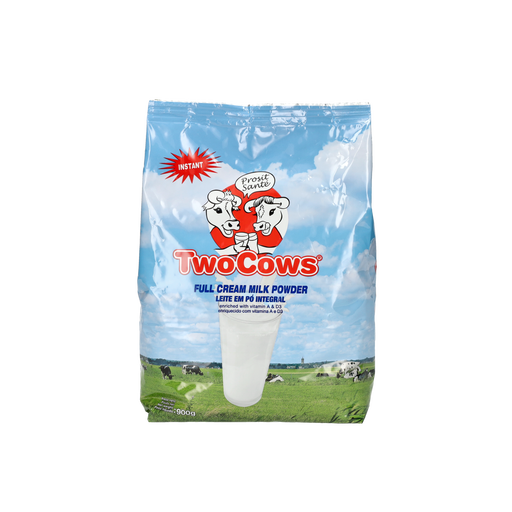
Why this product suits this shopper: Its large format and whole milk formula suit busy family kitchens, keen bakers and certain catering uses.
The product listing states a maximum moisture content of 3% and recommends cool, dry storage. These instructions are useful for preserving the powder when it is used regularly.
Around 28.2 g of fat and 25 g of protein per 100 g according to the product listing, with added vitamins A and D in this product.
We have selected a complete, real-time updated list of products that meet these demanding selection criteria and European safety regulations.
After opening, carefully reseal the tin or sachet, then store it in a dry, cool place away from light. Avoid placing the powder near steam from a kettle or hob. Always use a clean, dry spoon to help prevent lumps from forming.
Reconstituted milk should generally be consumed quickly. The exact storage time varies depending on the product and the instructions on the packaging. Also check the best-before date and allergens, particularly milk, lactose and soya.
When feeding a baby, never replace infant formula with standard powdered milk. Some product listings also specify that their products are not intended for children under 12 months.
Before opening, properly stored milk powder can keep for a long time, up to the date indicated by the manufacturer. Once the tin has been opened, its shelf life decreases: some products recommend consuming it within four weeks. It is therefore best to follow the packaging instructions rather than assume that one storage period applies to every product.
Follow the dosage specified by the manufacturer, as the amount of water required varies from one formula to another. Gradually add the powder to the water, mix until completely dissolved, then consume the reconstituted drink promptly.
Yes. It can be used to prepare enriched breads, pancakes, loaves, sauces and desserts. It adds dry matter and a richer texture. For a lighter recipe or one that already contains plenty of butter, skimmed milk powder will often be more suitable.