
Same-day & Next-day Delivery

Quality Guaranteed

Unlock Your Welcome Offers: FREE Delivery | Up to 80% OFF | Free 30-day JoyPlus trial
Download the APP
An outdoor planter has to withstand far more than an occasional watering. Direct sunlight, rain, frost, wind, the weight of the compost and changes in temperature can quickly expose the weaknesses of a poorly chosen model. A lightweight outdoor trough can tip over, while a planter without drainage may leave water sitting around the roots and damage them.
Before you place an order, it’s worth looking at the product’s practical features rather than choosing based on colour or lifestyle photos alone.
A planter with a water reservoir can mean you need to water less often, but it won’t suit every plant. Some varieties don’t cope well with constantly damp compost. Check whether the product has a drainage hole, a removable plug or a clearly described water-retention area.
Outdoors, good drainage is particularly important after heavy rain. Indoors, a plug or saucer can help protect the floor from spills.
A large planter filled with damp compost can quickly become very heavy. On a balcony, consider the load spread across the surface, the strength of the railings and the fixing system. Hanging planters must also stay within the stated maximum load.
Planters on legs or with multiple tiers should be placed on a completely stable base. If the manufacturer recommends securing the planter to the ground or wall, it’s best to follow that advice carefully.
How well a planter stands up to outdoor conditions depends on its composition, thickness and design. A frost- and UV-resistant planter is more likely to be suitable for keeping outside, but frozen, damp compost can still put considerable pressure on the container. So take the manufacturer’s winter care advice seriously.
Measure the space before ordering and leave enough room to water, move or clean the planter. Diameter isn’t everything: height and depth also play a direct role in determining which plants will thrive.
Capacity in litres makes it easier to compare products. For example, the 98-litre EDA Volcania planter is better suited to generous arrangements than to just a few small plants.
The bottom of the container should allow excess water to drain away. A pre-drilled hole is suitable for outdoor use, provided you protect the surface underneath if necessary. A removable plug offers more flexibility: it lets you retain water in some situations or drain it away outdoors.
Water reservoir systems still need maintenance. Keep an eye on the water level, avoid leaving the compost waterlogged and clear the drainage holes regularly.
Injection-moulded plastic and polypropylene are lightweight and easy to move. Some models are made from recycled plastic and are described by the manufacturer as recyclable. Wood adds a warm, natural touch, but needs particular attention to moisture, fixings and stability.
Glazed ceramic has a decorative finish, but you’ll need to consider its weight and susceptibility to knocks and frost. For a permanent outdoor installation, look for specific details about UV and frost protection.
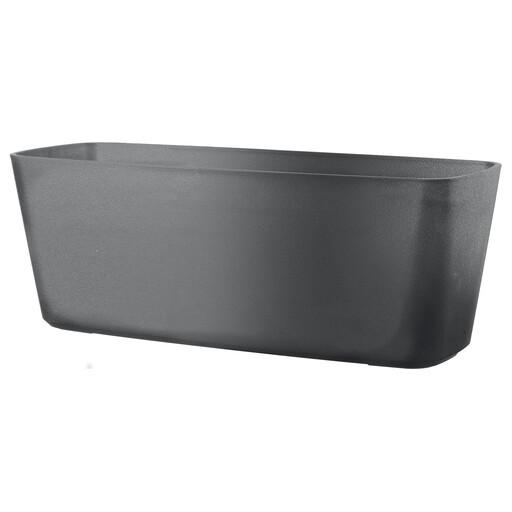
Why it’s a good fit: At 50 cm, this versatile planter works just as well on a balcony as it does on a patio or in a small garden. It’s ready to use, with no assembly required.
The removable plug lets you choose whether to drain or retain water, depending on where you place it.
Recycled and recyclable material, stated frost and UV resistance, and quick cleaning with a damp cloth.
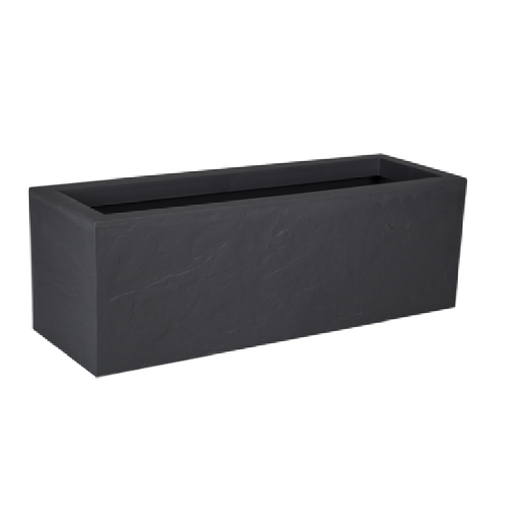
Why it’s a good fit: Its 98-litre capacity and stone-like finish make it a great match for a landscaped patio or a substantial plant arrangement.
The double wall, water-retention area and pre-drilled holes make it easier to manage water while helping to improve stability.
98-litre capacity, UV protection, frost resistance, recyclable material and a stone-effect finish.
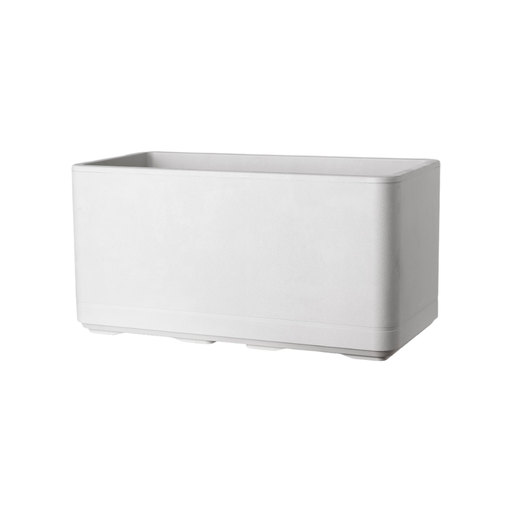
Why it’s a good fit: The built-in reservoir and wheels make it easier to manage a large planter on a patio or in a space you like to rearrange regularly.
The removable plug lets you adjust the drainage, while the wheels mean you won’t have to lift the planter once it’s full.
Built-in water reservoir, wheels, removable plug, recycled material and stated frost and UV resistance.
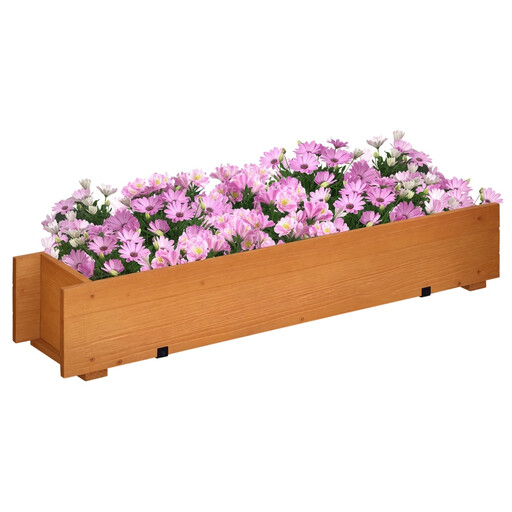
Why it’s a good fit: Measuring 91 × 18 × 16.5 cm, it fits compatible railings and gives you space to grow flowers, herbs or small vegetables.
The drainage tray and supplied metal fixings help reduce the risk of standing water and keep the planter securely in place.
Spruce wood, stated maximum load of 20 kg, hanging system and a shape suited to narrow spaces.
We’ve put together a complete selection, updated in real time, of products that meet these strict criteria and European safety regulations.
An outdoor container should generally have a drainage hole or an adjustable drainage system. Place it on risers or a suitable saucer to stop water collecting underneath. Before winter, check that the holes aren’t blocked by roots or compost.
It depends on the material, exposure and care. Models described as UV- and frost-resistant are designed to stay outdoors, but you should still follow the manufacturer’s instructions. Avoid knocks, clean the surfaces with a gentle product and check the planter after frosty periods for any cracks.
It can reduce how often you need to water, particularly during hot weather, but it doesn’t replace checking the compost. A plant’s needs vary depending on its type, exposure, temperature and the size of the container. A water-level indicator or an easily accessible reservoir makes day-to-day monitoring much simpler.