
Livraison le jour même ou le lendemain

Qualité garantie

Débloquez vos offres de bienvenue: Livraison GRATUITE | Jusqu'à -80 % | 30 jours d'essai gratuits à JoyPlus
Téléchargez l'application
Whether it’s for a pre-dinner drink, a film night or a solo snack break, potato crisps are a winner: they’re crunchy, easy to serve and require zero preparation. But the packet doesn’t always tell the full story. A tempting flavour can hide a long list of allergens, a bag that’s too small to share, or a texture that quickly loses its crunch once opened.
Here are the key things to check before you head to the checkout, along with a selection of crisps suited to different types of shoppers in the UK.
Seaweed, spicy chicken, curry, crab… Unusual-flavoured crisps often combine aromas, spices and flavour enhancers. There’s nothing wrong with that in itself, but it’s worth a quick look at the ingredients list and allergen information.
Some seafood-inspired recipes may contain fish, soya or crustaceans. Cheese-flavoured crisps often contain milk, while recipes based on flour or starch may include wheat. If you have an allergy or intolerance, the label on the packet you receive is always the only reliable source of information.
A big bag doesn’t necessarily mean a lot more crisps. Part of the volume is taken up by a protective gas, which helps prevent breakage during transport. To compare two products, always check the net weight, not the size of the packet.
For a group gathering, bags of 120 to 150 g are generally more suitable than an individual 40 to 75 g pack. On the other hand, a small bag can be a good idea if you want to try an unusual flavour without ending up with forgotten crisps at the back of the cupboard.
Even the crunchiest ridged crisps will go soft if the bag is left open. Seal it carefully or transfer the contents to an airtight container. Store crisps in a cool, dry place, away from light and heat, and eat them soon after opening.
Smooth crisps offer an even texture and often let the seasoning take centre stage. With their more pronounced ridges, ridged crisps give you more to chew on and hold dips like salsa or guacamole better.
Moulded crisps, such as certain Pringles varieties, have a perfectly uniform shape and are stacked in a tube. This packaging makes them easier to transport and generally reduces breakage. However, they are made from potato flakes rather than slices cut directly from a whole potato.
Shoppers looking for British crisps can check the country of origin, where the potatoes come from and where they are made. Several Vico, Brets and Altho products featured here are made in France with French potatoes.
The type of fat used is also worth a look. Some recipes use sunflower oil or a blend of sunflower and rapeseed oil, while others contain palm oil. This choice is largely down to personal preference, but it’s still a good idea to check the nutritional information panel.
To put together a varied spread, plan for a classic salted option, a more indulgent choice and something a bit different. Cheese, barbecue or spicy crisps will appeal to those who like bold seasonings. Seaweed, lemon, curry or Tom Yum flavours are better suited to anyone who enjoys exploring Asian or international tastes.
It’s also worth comparing the salt, fat and energy content per 100 g, especially between different brands. The information printed on the packaging always takes precedence over an online product page, which may have been updated or could contain an error.
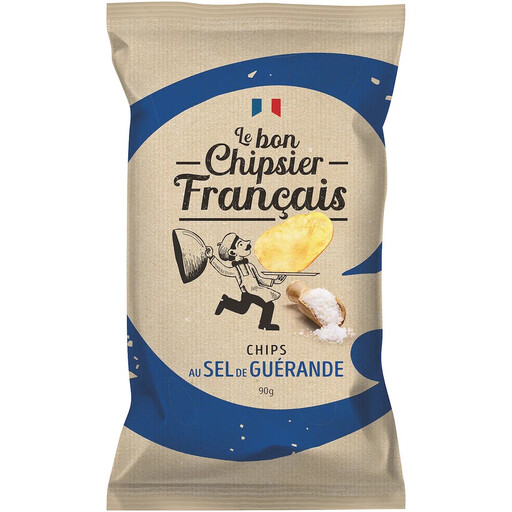
Why this suits this profile: With its simple Guérande sea salt recipe, this option lets you start without committing to an overpowering flavour. The 90 g bag is ideal for one person or a small gathering.
The net weight is clearly stated and the ingredients list is short, making it easy to compare with other classic crisps.
Made with 65% French potatoes, sunflower oil and Guérande sea salt. Produced in France.
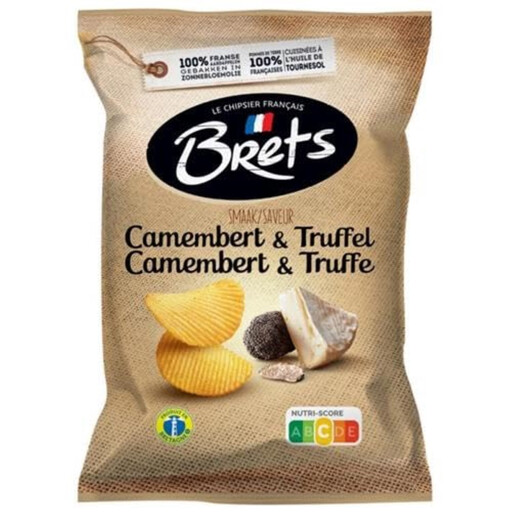
Why this suits this profile: The combination of camembert and truffle adds a real gourmet touch to aperitifs served with wine, cheese or charcuterie.
The flavour profile is detailed: the ingredients list includes camembert powder and summer truffle powder.
125 g bag, French potatoes, sunflower oil, ridged texture and made in France. Contains milk.
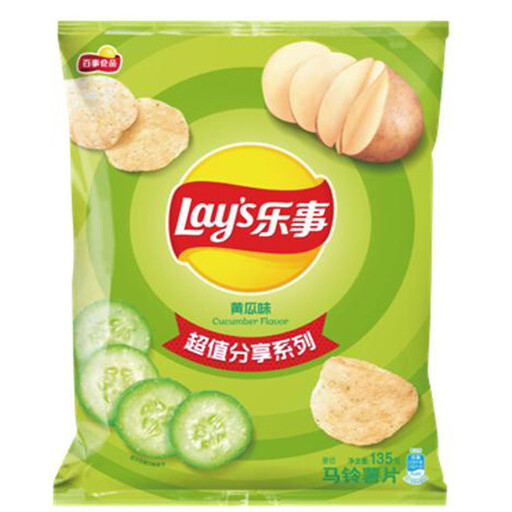
Why this suits this profile: Its wide ridges and 135 g format make it a great option for parties with friends and anyone looking for a flavour that’s out of the ordinary.
The format is clearly stated and the product page notes the presence of phenylalanine from aspartame – something to check before buying.
Thick, ridged crisps with a spicy cucumber seasoning, 135 g net weight and ready to eat.
We’ve put together a full, real-time updated list of products that meet these strict selection criteria and comply with European safety regulations.
For a balanced and varied aperitif, plan for three main flavour families:
The Vico Street Food Cheddar, Spicy Barbecue and Spicy Curry varieties are all said to be made in France with French potatoes. For something more exotic, the Pringles, Lay’s or KOBKOB ranges offer combinations that go beyond traditional flavours. Always compare the allergens and nutritional values on each individual packet.
For a light aperitif, allow around 30 to 50 g per person, then adjust depending on what other food you’re serving. Several 120 to 150 g bags let you offer a variety of flavours without opening too much of any one type.
Seal the bag with a clip or transfer the crisps to an airtight container. Keep them in a dry cupboard, away from heat and light. The texture can deteriorate quickly after opening, even if the best-before date on the packet hasn’t passed.
Read the ingredients list and the “allergens” section on each packet. Cheese crisps may contain milk, seafood recipes may contain crustaceans or fish, and moulded crisps may contain wheat or soya. If in doubt, don’t rely on the flavour name alone – always check the label on the product you receive.