
Livraison le jour même ou le lendemain

Qualité garantie

Débloquez vos offres de bienvenue: Livraison GRATUITE | Jusqu'à -80 % | 30 jours d'essai gratuits à JoyPlus
Téléchargez l'application
Potato-based products now cater for a wide range of uses: aperitifs, frozen side dishes, home cooking, baking and discovering snacks from around the world. This variety offers plenty of choice, but it can also lead to a few unwelcome surprises when ordering.
A large packet does not necessarily guarantee good value for money. The word ‘crispy’ alone says nothing about how the product is prepared or the texture you will actually get. Similarly, a product described as ‘potato-based’ may contain wheat, milk, soya or various additives. Here are the points to check before placing an order online.
Potato starch is mainly used to thicken sauces, soups and baking mixtures. Potato flour, depending on its composition and how finely it is milled, may have a different use and provide more flavour or substance.
As the names can sometimes be confusing, it is best to check the ingredients list and preparation advice. For example, the product page for FLCK Potato Flour 450 g describes a powder made from potatoes, intended for sauces and baking, with a stated composition of 100% potato. The product is also described as gluten-free according to the available information. However, if you have an allergy or intolerance, always check the labelling on the product you receive.
An appetising photo of crisps or cheddar nachos may suggest a generous portion, while the net weight is actually fairly modest. Formats of 25 to 50 g are more suitable for individual consumption, whereas a 120 to 150 g bag is better suited to sharing.
Remember to check the allergens, flavourings and seasonings too. VICO Street Food Nachos Cheddar Wavy 120 g crisps contain milk and may contain peanuts. LAY’S Hot Nori Seaweed crisps indicate the presence of fish and soya. Korean and Thai recipes may also contain less obvious ingredients, such as crustaceans in a Tom Yum flavour.
Not all frozen chips are intended for the same cooking method. Some are designed for deep-frying, while others are made for the oven or air-fryer cooking. The cut also has a direct effect on the result: thicker chips will stay softer, while thinner cuts will become crisp more quickly.
Before buying, check the temperature, cooking time, whether the chips need turning and the storage conditions at −18 °C. Once thawed, a frozen product should generally not be refrozen.
For everyday use, start by checking the ingredients list. A simple recipe may contain only potatoes and vegetable oil, while a flavoured snack may also include salt, spices, flavourings or flavour enhancers.
If you are looking for a gluten-free product, do not rely solely on the word ‘potato’. For example, La Molisana Potato Gnocchi 500 g contains wheat flour and is therefore labelled as containing gluten and sulphites. By contrast, the FLCK Potato Flour product page states that it is gluten-free, subject to checking the packaging and any warnings about possible cross-contamination.
For chips and wedges, take your oven or air fryer’s capacity into account. A layer that is too thick prevents the heat from circulating properly and may result in uneven cooking.
Ready-to-eat products such as crisps do not require cooking. Chips, tornado potatoes and corn dogs, however, must be prepared according to the manufacturer’s instructions.
According to its product page, Wang Tornado Potatoes 400 g should be cooked in the oven at 200 °C for 12 to 15 minutes, or deep-fried at 175 °C for 3 to 4 minutes. McCain Classic Fries for Airfryer 600 g are designed for cooking in an air fryer, but it is still essential to follow the instructions on the packet. For frozen products, make sure you also have enough space in your freezer.
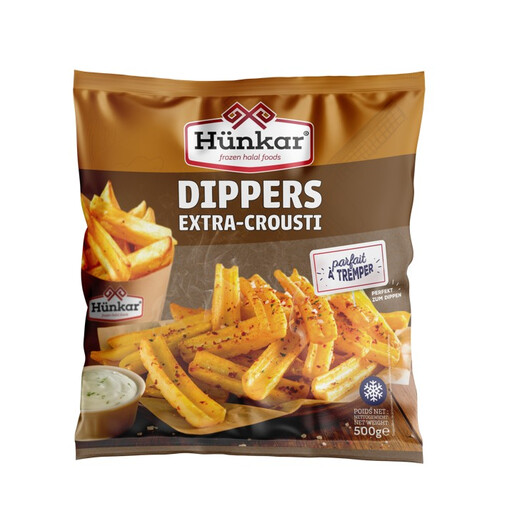
Why this choice suits this profile: a family-sized format with several cooking options, ideal as an everyday meal accompaniment.
The product page specifies preparation in the oven, air fryer or deep fryer. The ingredients list states 95% potatoes.
500 g format, 148 kcal per 100 g according to the product page, stored at −18 °C.
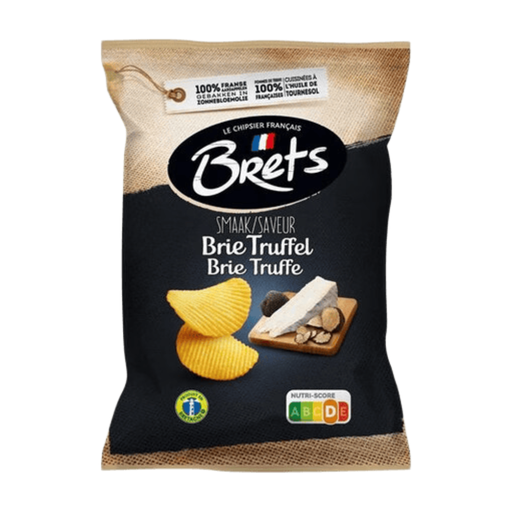
Why this choice suits this profile: a brie and truffle recipe, perfect for a change from classic crisps at aperitif time.
The net weight is clearly stated: 125 g. Milk is listed, with possible traces of celery and mustard.
Made in France, with no palm oil according to the product page, in a format designed for sharing.
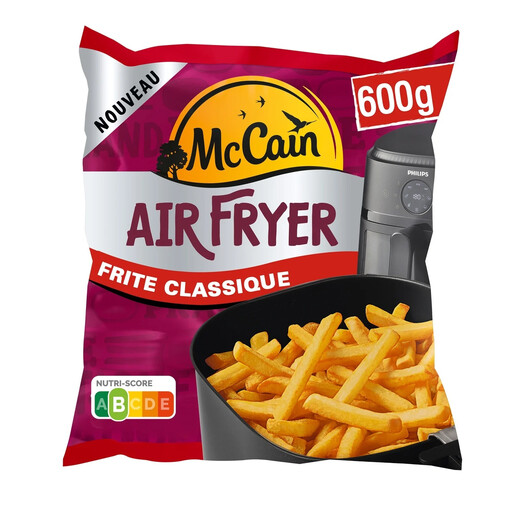
Why this choice suits this profile: a product designed for air-fryer cooking, making it easy to prepare a quick meal without complicated handling.
The product page explicitly mentions the air fryer. It is still essential to follow the recommended quantity for the basket and the cooking time shown on the packaging.
600 g, containing potatoes, sunflower oil, rice flour, dextrose and salt, among other ingredients.
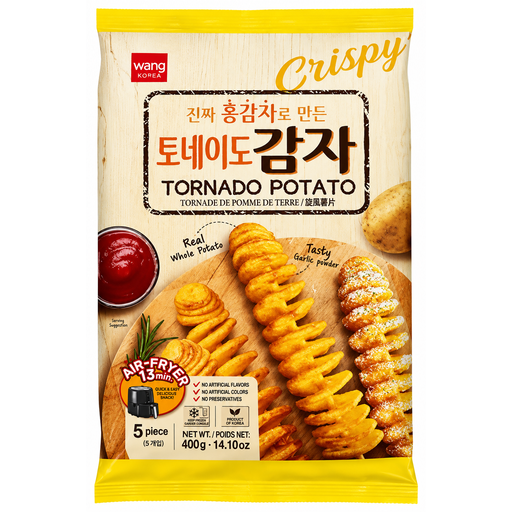
Why this choice suits this profile: a frozen Korean spiral speciality, perfect for a fun meal or a themed evening.
The product is frozen and must be stored at −18 °C or below. It is not a ready-to-eat snack straight from the packet.
400 g format, suitable for oven cooking or deep-frying, with a texture described as crisp on the outside and soft inside.
We have brought together an up-to-date selection of potato-based products for aperitifs, meals, baking and international recipes.
For an aperitif with a difference, VICO Monster Munch Crazy Paprika 150 g potato crisps focus on a paprika flavour and a sharing format. KOBKOB crisps are available in barbecue chicken and Tom Yum versions, while Haitai Baked Potato 27 g sticks offer an individual portion with clearly stated allergens.
For cooking, Gusong Starch 200 g comes in a bag with a pouring spout, making it practical for measuring sauces and other preparations. According to the product page, FINDUS Crispi Express Potato Wedges 200 g can be prepared in the microwave in 2 minutes 30 seconds. Old-fashioned potatoes and HÜNKAR Steakhouse chips are better suited to meals that call for a generous side dish.
Choose products whose page explicitly states that they are suitable for this cooking method, such as McCain air-fryer chips or HÜNKAR Dippers. Always follow the temperature, cooking time and recommended quantity specified by the manufacturer.
Store them at −18 °C or below, avoiding any prolonged break in the cold chain. Once thawed, do not refreeze them, and consume them according to the instructions on the packet.
Potato starch can be used in some gluten-free recipes. However, you must check the product labelling, declared allergens and any possible traces. Gnocchi containing wheat flour are not suitable for this purpose.