
Livraison le jour même ou le lendemain

Qualité garantie

Débloquez vos offres de bienvenue: Livraison GRATUITE | Jusqu'à -80 % | 30 jours d'essai gratuits à JoyPlus
Téléchargez l'application
Potato-based products suit all sorts of occasions: aperitifs, quick side dishes, gluten-free cooking, vegetarian meals or discovering snacks from around the world. But an appetising photo or promise of ‘intense flavour’ is not enough to make the right choice.
Three common pitfalls regularly arise when shopping:
For an aperitif with no preparation at all, choose potato crisps or ready-to-eat sticks. Ridged crisps are particularly well suited to thick dips: their grooves provide more texture and hold on to a spoonful of hummus or guacamole more effectively.
Frozen chips require a little more planning. Check the storage temperature, generally –18 °C or below, as well as the cooking instructions for the oven, deep-fat fryer or air fryer. Cooking directly from frozen is often recommended, but the instructions on the packaging should always be treated as the reference.
Snacks such as the Korean corn dog and spiral potatoes are also sold frozen. They can add a street-food touch to an evening with friends, provided you have the right appliance and follow the cooking time precisely.
Potatoes are not necessarily the main ingredient. Compare their proportion with the quantities of oils, flours, starches and seasonings. For example, BRETS Paysanne crisps contain 64.9% French potatoes, along with sunflower oil and Guérande sea salt. A flavoured speciality, on the other hand, may contain sugar, flavouring powders or flavour enhancers.
If you are looking for gluten-free products, examine the label as a whole: the product name alone is not enough. Potato flour may be suitable for some gluten-free recipes when it is presented as such, whereas gnocchi often contain wheat flour. Any possible traces must also be taken into account.
Halal and kosher claims must be stated explicitly by the manufacturer or seller. A vegetarian or vegan recipe does not automatically mean that it is halal or kosher certified.
French crisps and imported snacks should generally be stored in a dry place, away from heat and light. Once opened, reseal the bag carefully and consume its contents promptly to preserve their crunch.
For family-sized formats, consider the weight in relation to how quickly you are likely to consume them. A 120 or 125 g bag may be enough for sharing at an aperitif, while four 25 g portions make it easier to divide them between several people. For cooking, a 450 g bag of potato flour is suitable for occasional use; the 5 kg format is better suited to regular preparation.
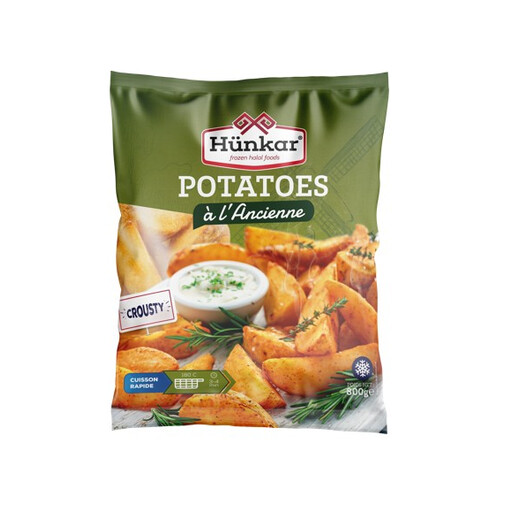
Why this product suits this profile : At 800 g, this format is suitable for a family meal or several side dishes. It can be prepared directly from frozen.
The product information specifies storage at –18 °C or below and details the ingredients, based on potatoes and vegetable oil.
A family-sized format, 197 kcal per 100 g according to the information provided, and a long freezer life.
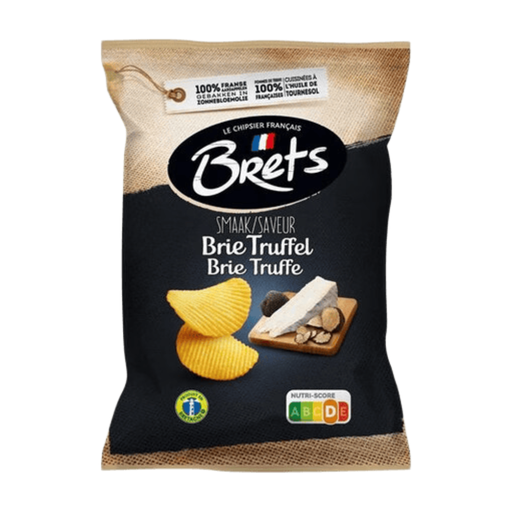
Why this product suits this profile : This recipe combines French crisps with notes of Brie and truffle for a more sophisticated aperitif.
The product information clearly mentions milk and the risk of traces of celery or mustard: check this information before buying.
French potatoes, sunflower oil, a 125 g bag and production in France.
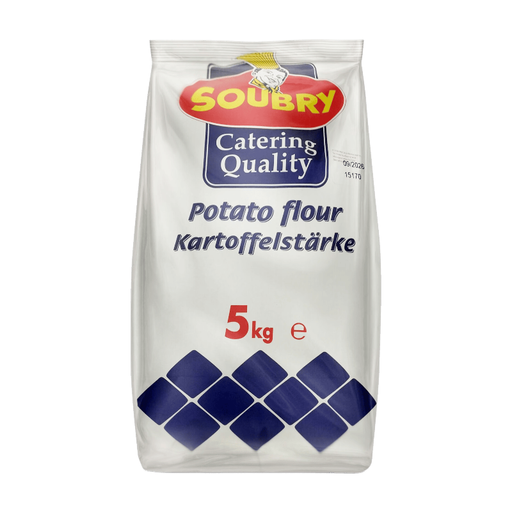
Why this product suits this profile : This 5 kg bag is designed for frequent preparation: sauces, soups, baking or gluten-free recipes, depending on the intended use.
The product information states that it is made from 100% potato flour and contains no declared allergens. However, check the label when it arrives.
A large 5 kg format, suitable for vegetarian and vegan uses, and presented as compatible with halal and kosher certifications.
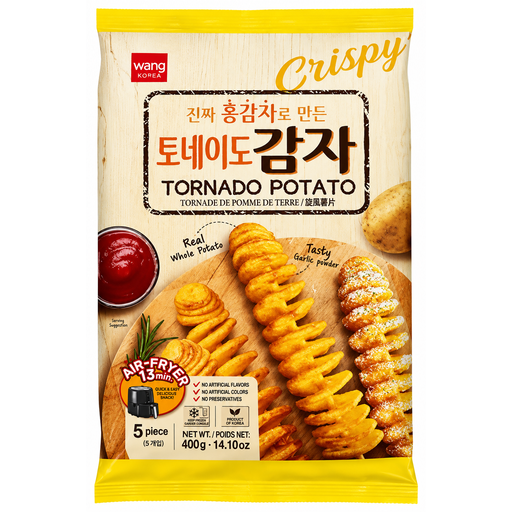
Why this product suits this profile : These spiral potatoes on a stick let you recreate one of the iconic snacks of Korean street food at home.
The instructions are precise: bake at 200 °C for 12 to 15 minutes, or deep-fry at 175 °C for 3 to 4 minutes.
A 400 g format and a texture described as crunchy, although the ingredients include wheat and soya.
We have selected a complete, real-time updated list of products that meet these strict criteria and the requirements of European safety regulations.
Potato flour is generally made by drying potatoes and then grinding them into a powder. Potato starch is mainly the starch extracted from the tuber. Both can be used to thicken a sauce, but they behave differently in baking and have different textures. Refer to the use indicated on the packaging.
Not necessarily. The product information for La Molisana gnocchi mentions wheat flour and gluten, as well as sulphites. For a gluten-free recipe, look for an explicit statement on the packaging and check the allergen list carefully before ordering.
Store them in a dry place, reseal the bag tightly and eat them promptly. Moisture makes them lose their crunch. For frozen products, maintain the cold chain, never refreeze a thawed product and follow the date shown on the packaging.