To compare nuts for a post-workout drinks party, check the protein content per 100 g, then consider how much you plan to serve. The unsalted roasted peanuts and almonds from Auchan and Seeberger contain 26–27 g of protein per 100 g. Also compare the salt content, ingredients and allergen information, and remember that a small bowl of nuts alone is not a recovery meal.
Who is this guide for?
Anyone comparing protein after exercise
If protein content matters when you’re choosing what to serve, check the nutritional information per 100 g and adjust it to the portion you’ll be serving. Anses lists peanuts, almonds and pistachios among plant-based sources of protein.
Hosts looking to limit salt
If you’re serving nuts alongside other salty foods, compare the ‘salt’ line and the ingredients for each product. Auchan and Seeberger list unsalted roasted peanuts and almonds with low declared salt levels.
Anyone serving guests with allergies
Before sharing peanuts or tree nuts, check the ingredients and any ‘may contain’ warnings on the packaging of the product you’re actually serving. Choosing a recipe with no added salt won’t answer this question.
What should you look for?
For this kind of spread, start by checking your guests’ allergens, then compare the nutritional information, recipe and pack size based on what you’ll actually be serving.
| Criteria |
What to check |
Who is it for? |
| Declared protein content |
Compare the protein content per 100 g, then work out how much that means for the portion you plan to serve. |
After exercise, I want to know what the bowl I’m serving contributes, without judging the whole meal on the basis of one food. Around 29% of consumers put this protein comparison first. |
| Salt and ingredients |
Check the salt content per 100 g and the ingredients list, even if the product is dry-roasted. |
If the platter already includes salty foods, I’d rather be able to choose a recipe with no added salt. Around 23% of consumers prioritise having control over the salt and ingredients. |
| Allergens |
Check the ingredients and any ‘may contain’ warnings on the pack you’ll be serving to your guests. |
When I’m hosting someone with an allergy, whether they can eat the product matters more than its protein content. Around 18% of consumers put this check first. |
| Pack size and storage |
Choose a quantity to suit your guests and check the storage instructions once opened. |
To serve a bowl without leaving a large bag open for too long, I choose a pack size to suit the number of guests. Serving and storage are the main concern for around 18% of consumers. |
| Availability |
Check that the exact product is available at your local shop or for delivery in your area. |
If I’m preparing a spread soon, I need a product I can actually get hold of. Around 12% of consumers prioritise being able to buy locally. |
Things to bear in mind
-
Assuming high protein means low energy
Protein content alone doesn’t tell you everything about the nutritional value of a bowl of nuts.
Compare protein and energy on the same 100 g basis, then decide how much to serve rather than leaving the whole bag on the table.
-
Assuming dry-roasted means low in salt
The Bénénuts dry-roasted peanuts listed by Monoprix Courses contain 1.4 g of salt per 100 g. Auchan’s product listings for the no-added-salt options state that the peanuts contain 0.01 g of salt per 100 g and the almonds less than 0.1 g.
If you want to limit the salt on your platter, compare the ‘salt’ line before choosing a seasoned option.
-
Relying on the ingredients list alone for allergen information
An almond-based product may also carry warnings that it could contain traces of other allergens. So the absence of peanuts from the ingredients list isn’t enough to determine whether it’s suitable for a guest with an allergy.
Check all the warnings on the packaging of the specific product and batch you’re serving.
-
Serving an old pack without checking for recalls
On 7 July 2026, Carrefour issued a recall for a specific batch of 200 g Carrefour Classic' peanuts because of aflatoxins. This alert does not apply to all peanuts.
If you have this product, check its batch number and best-before date against the recall notice before serving it. Do not eat any affected batch.
Brands and retailers to compare
Auchan
Its product listings for unsalted roasted peanuts and almonds make it easy to compare protein and salt on the same basis.
- Both products list 27 g of protein per 100 g.
- For the peanuts, note the sunflower oil in the ingredients and the instructions for using the product after opening. For the almonds, check the ‘may contain’ warnings.
Seeberger
Its unsalted roasted almonds are another option to compare with own-brand almonds.
- The product listing from Auchan describes roasted almonds as the ingredient and gives 26 g of protein and 0.02 g of salt per 100 g.
- Also compare the energy content and the amount you plan to serve.
Carrefour
Its snacks range includes unsalted peanuts and a Vico product described as having no added oil.
- The Vico listing explicitly states that no salt or oil has been added.
- If you already have a pack of Carrefour Classic' peanuts, check whether its batch is affected by the recall issued by Carrefour on 7 July 2026.
E.Leclerc
The Marque Repère range includes dry-roasted peanuts, unsalted pistachios and almonds with no added salt.
- These different recipes let you choose between roasted and unsalted options to suit your platter.
- Check the nutritional information for the exact product before comparing its protein and salt content.
ALDI
The retailer offers blanched, unsalted almonds in a 200 g bag.
- This pack size may suit you if you’re looking for a bag of almonds to serve on a platter.
- To compare them with the roasted almonds mentioned here, check the nutritional information and preparation method on the exact pack.
Bénénuts
Its dry-roasted peanuts, listed by Monoprix Courses, are a seasoned snack option.
- The product listing gives 27 g of protein per 100 g.
- It also lists a flavouring base and 1.4 g of salt per 100 g. If salt matters for your platter, compare this with the no-added-salt options.
Joybuy products for your spread
These two products suit different preparations: unsalted cashews to serve as they are, or unroasted peanuts to prepare before your gathering.
 Image unavailable
BENENUTS Unsalted Cashews 130 g
For a bowl you can serve straight away, these cashews come unsalted in a 130 g bag. Before sharing them, check the packaging for information about peanuts and other tree nuts.
View on Joybuy
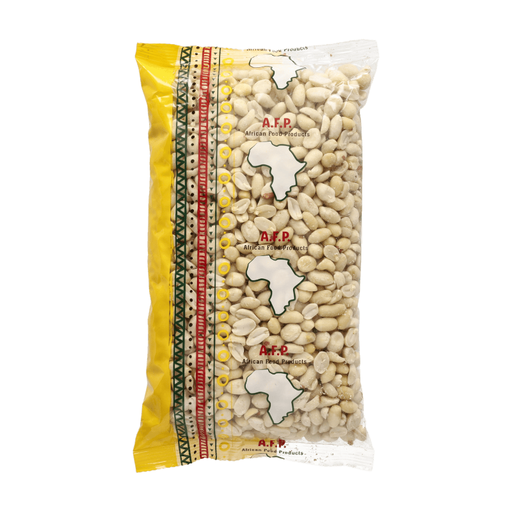 Image unavailable
A.F.P. Skinless Unroasted Peanuts 800 g
For a spread you’re preparing in advance, these skinless peanuts are unroasted and need to be prepared before serving. The bag contains 800 g. Do not serve them to anyone with a peanut allergy.
View on Joybuy
Frequently asked questions
Can nuts contribute to the protein content of a post-workout spread?
Yes. Anses lists peanuts, almonds and pistachios among plant-based sources of protein. To assess what a product contributes, compare its protein content per 100 g with the amount you serve, and consider the other foods in the meal too.
How can you compare two recipes that seem low in salt?
Check the ‘salt’ line per 100 g rather than relying on the product name alone. Auchan’s listings give 0.01 g of salt per 100 g for unsalted roasted peanuts and less than 0.1 g per 100 g for unsalted roasted almonds. The listing from Monoprix Courses for Bénénuts dry-roasted peanuts gives 1.4 g per 100 g.
Can you serve the same bowl to all your guests?
Not without knowing about your guests’ allergies. Check the ingredients and any ‘may contain’ warnings on the packaging of the product you’re serving. A recipe with no added salt is not necessarily suitable for someone with a peanut or tree nut allergy.
How long should you keep a bag after opening?
Follow the instructions for the specific product. Auchan’s listings say to eat the unsalted roasted peanuts within five days of opening and the unsalted roasted almonds within 15 days, resealing the bag as directed.


