If plant-based protein is guiding your choice for a post-workout TV supper, start by comparing plain nuts or peanuts, then check the nutritional values per 100 g for the specific product. Ground almonds are better suited to a recipe, while a mix with dried fruit is also a matter of taste: the presence of nuts alone doesn’t tell you how much protein it contains. None of these products, by itself, proves that a meal meets your post-exercise recovery needs.
Who are these options suitable for?
Active people looking for a plant-based snack
If you’re mainly interested in protein after exercising, compare the values shown on the products rather than relying on the name of the aisle. Anses lists peanuts, almonds and pistachios among plant-based sources of protein, but that alone doesn’t make a meal suitable for recovery.
TV supper fans who prefer a simple option
You’re looking for something to nibble on without automatically choosing a savoury, sweet or chocolate-coated recipe. Manger Bouger recommends a small daily handful of unsalted, unsweetened nuts with no chocolate: check that the pack you choose fits this description.
Shoppers who pay close attention to ingredients and allergens
A short ingredients list doesn’t mean you can skip checking the allergens and any may-contain warnings on the exact pack. The DGCCRF states that allergenic ingredients in prepacked foods must be highlighted; some almond products also mention possible traces of other allergens.
What should you look for before buying?
When choosing a snack to enjoy in front of the TV, start with your main priority, then compare the ingredients and nutritional information on a like-for-like basis per 100 g.
| Criteria |
What to check |
Who it’s for |
| Plant-based protein |
Compare protein per 100 g, then check energy, sugars, fat and salt on the same basis. |
After exercise, I want to know how much protein I’m getting from what I eat, without assuming that the word “high-protein” describes the whole product. Around 50% of shoppers prioritise this verifiable nutritional value. |
| Recipe for snacking |
Distinguish plain nuts from a mix or seasoned recipe; check the salt and sugars per 100 g. |
In front of a screen, I prefer a simple snack that I can serve in a bowl rather than eating straight from the pack without keeping track. This is the main priority for around 30% of shoppers. |
| Ingredients and allergens |
Check the ingredients, highlighted allergens and any may-contain warnings on the format you’re buying. |
If I need to avoid an ingredient, I also check for possible traces, even when the product name sounds simple. For around 20% of shoppers, this check comes before all other criteria. |
The product’s form also affects how you use it: whole almonds are ready to serve, while ground almonds can be added to a bowl or used in a recipe. For a mix, compare the nutritional declaration for the mix itself, not for just one of its ingredients.
Common misconceptions to avoid
-
Assuming all dried snacks are high in protein
Nuts, dried fruit and mixes don’t necessarily have the same nutritional composition. Carrefour says that raisins make up 37% of the ingredients in the Vico L’Impec mix, so you can’t work out its protein content simply from the presence of almonds or hazelnuts.
Compare protein, sugars, salt and energy per 100 g on the packaging of each product.
-
Choosing a seasoned option as if it were plain
Manger Bouger’s guidance is for nuts that are unsalted, unsweetened and free from chocolate. A party snack or coated recipe doesn’t automatically fit the bill.
For a regular snack, look at plain options first, then check the ingredients and nutritional values if you prefer a seasoned recipe.
-
Overlooking traces on a product with a short ingredients list
A product made from almonds may also warn that it could contain traces of peanuts or other allergens. This information depends on the specific product.
Check the ingredients, allergens and trace warnings again whenever you switch product or pack size.
-
Opening a large pack without planning your portion or storage
It’s easy to eat straight from a large pack, even though Manger Bouger recommends a small handful. Storage instructions after opening also vary between products.
Serve your portion in a bowl and follow the storage instructions on the pack you choose. For its ground whole almonds, Vahiné recommends using the product within 15 days of opening.
Brands to consider, product by product
Seeberger
A whole-almond option to consider if you’re looking for a 500 g pack with no added salt.
- Auchan’s product listing for Seeberger 500 g almonds gives 24 g of protein per 100 g.
- This value applies to this specific product. Its listing also warns of possible traces of several other nuts and peanuts.
Vahiné
An option to consider if you want to add ground almonds to a recipe rather than snack on whole almonds.
- According to Auchan’s listing for Vahiné 100 g ground whole almonds, this product contains 21 g of protein and 13 g of fibre per 100 g.
- This format is less suited to eating by hand; Vahiné recommends storing it in a cool, dry place after opening and using it within 15 days.
Alesto
Lidl’s range includes plain nuts, dried fruit and party snacks.
- This variety makes it possible to find a plain option or a seasoned recipe, depending on how you plan to use it.
- Compare the ingredients and nutritional information for the specific product you choose: they aren’t the same across the whole range.
Vico
The L’Impec mix combines nuts and raisins for anyone looking for a range of flavours in one pack.
- Carrefour’s listing states that raisins make up 37% of the ingredients in this product.
- To assess its protein content, check the nutritional values for the whole mix rather than those for the nuts on their own.
L’Atelier des Fruits Secs
The 200 g blanched almonds listed by Monoprix may appeal to shoppers who prefer a short ingredients list.
- Monoprix’s listing names blanched almonds as the ingredient and identifies almonds as an allergen.
- It also warns of possible traces, including peanuts, other nuts and sesame: check the information on the pack before buying.
Peanuts and cashews on Joybuy
These peanut and cashew options suit two different kinds of TV supper: some can be eaten as a snack, while unroasted peanuts are better prepared before serving. Compare the label if protein, salt or ingredients are important to your choice.
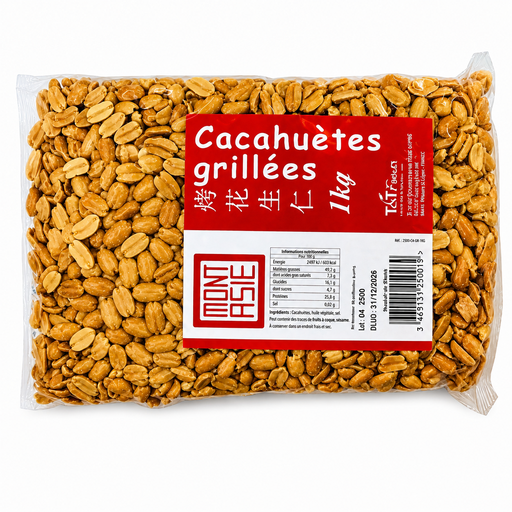 Image unavailable
MONT ASIE Roasted Peanuts 1 kg
If you’re serving roasted peanuts for TV supper, this 1 kg pack is best portioned into a bowl rather than eaten straight from the bag. Check the label to compare protein and salt, and bear in mind that peanuts are an allergen.
View on Joybuy
 Image unavailable
BENENUTS Unsalted Cashews 130 g
This pack is worth comparing with peanuts if you’re looking for an unsalted cashew option. If you want a recipe made only with cashews, check the ingredients list; also read the allergen and trace warnings.
View on Joybuy
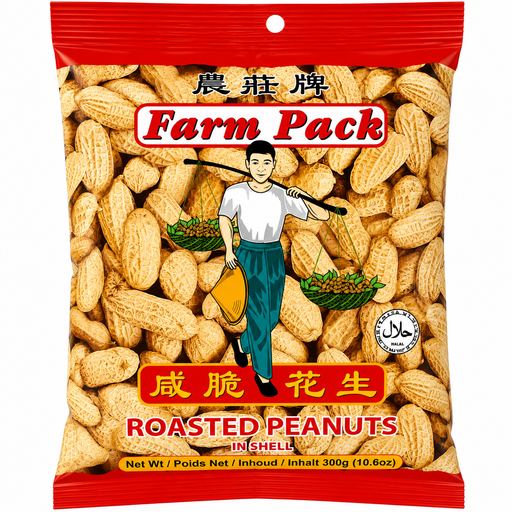 Image unavailable
Farm Pack Roasted Peanuts 300 g
These roasted peanuts are another option for snacking, but don’t choose them as a no-added-salt recipe. The title states 300 g, while the description also refers to several packs: confirm the pack format before buying.
View on Joybuy
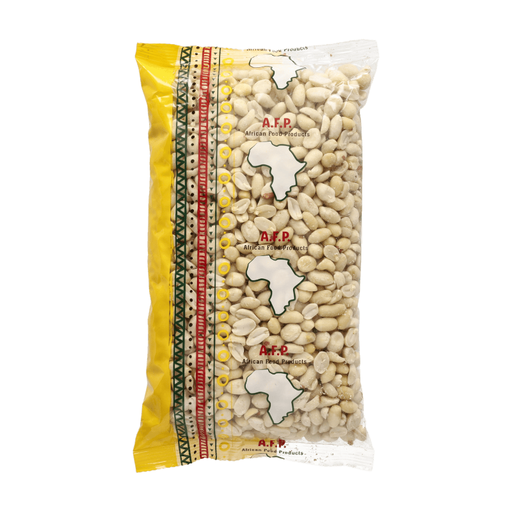 Image unavailable
A.F.P. Unroasted Skinless Peanuts 800 g
This format is better suited to a recipe or to peanuts you plan to prepare yourself than to a pack you can open and snack on straight away. Plan to prepare them before your TV supper, and check the preparation instructions as well as the peanut allergen information.
View on Joybuy
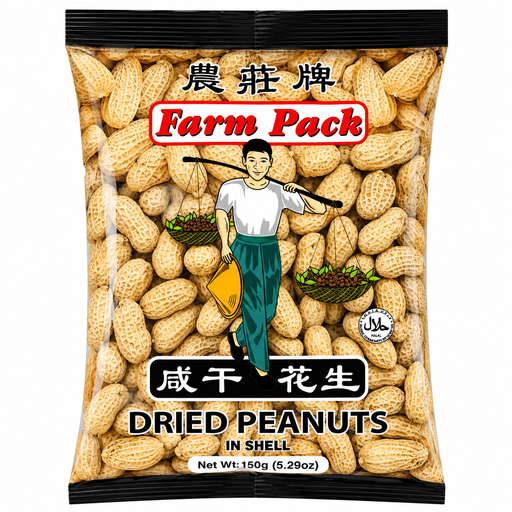 Image unavailable
Farm Pack Dried Peanuts 300 g
If you’re considering these peanuts as a snack, compare their ingredients, salt and sugars with those of a plain option. Take particular care if you’re looking for an unsalted, unsweetened snack; peanuts remain an allergen to check.
View on Joybuy
Frequently asked questions
Do all dried snacks provide the same amount of protein?
No. It’s important to distinguish nuts and peanuts from a mix that also contains dried fruit or other ingredients. Anses lists peanuts, almonds and pistachios among plant-based sources of protein; for a particular pack, compare the “protein” value per 100 g rather than guessing from its name.
How can I compare two packs for a TV supper?
Read the nutritional information on the same per-100 g basis: protein, energy, sugars, fat and salt. The DGCCRF explains that presenting values per 100 g makes it easier to compare prepacked foods; the ingredients list then helps you distinguish a plain recipe from a mix or seasoned product.
What portion should I serve in front of the TV?
Manger Bouger recommends a small daily handful of unsalted, unsweetened nuts with no chocolate. Serving them in a bowl rather than eating straight from a large pack helps you keep this guidance in mind.
What should I check if someone with an allergy is sharing the meal?
Check the ingredients, highlighted allergens and any may-contain warnings on the exact pack. Information can vary between different recipes or pack sizes of almonds and peanuts, so don’t assume what’s in a product from the brand name alone.


