People putting together their own snack
You want a brioche that’s easy to enjoy after a workout, while checking separately how much protein the rest of your snack provides.


For a post-workout snack, choose a brioche based on what matters to you: sliced brioche to compare sugar and fibre, plain brioche that’s easy to portion, or an all-butter recipe if its ingredients are your priority. If you’re also considering protein, check how much your portion provides and think about the snack as a whole. The presence of eggs in a brioche doesn’t, on its own, tell you how much protein it contains.
You want a brioche that’s easy to enjoy after a workout, while checking separately how much protein the rest of your snack provides.
You want the convenience of sliced brioche and prefer to compare the nutrition information for specific recipes rather than relying on a single claim on the pack.
Butter, eggs or choosing an organic recipe matter to you when you shop. You also check the portion size and fat content to understand what you’re eating.
Start by thinking about the role brioche will play in your snack, then compare the values per 100 g and for the amount you plan to eat.
| Criteria | What to check | Who is it for? |
|---|---|---|
| What’s in your snack | The amount you’ll actually eat and the protein listed for that portion. | If my brioche is part of a bigger snack, I want to know what it contributes before choosing the rest. Around 45% of consumers prioritise the make-up of their snack as a whole. |
| Sugar and fibre | Sugar and fibre per 100 g, then for the portion you’re planning to have. | I want to keep the convenience of sliced brioche but compare recipes by looking at the label. Around 33% of consumers put comparing sugar and fibre first. |
| All-butter or organic recipe | The ingredients highlighted, the portion size and the fat content. | If the recipe matters particularly to me, I look for butter or an organic label without assuming that tells me about the rest of its nutritional values. This is the main consideration for around 22% of consumers. |
Brioche Pasquier’s product information shows why it’s important to compare like with like: its plain sliced brioche lists 16 g of carbohydrates and 2.5 g of protein per 32 g slice, while its recipe labelled “30% less sugar” lists 8.8 g of sugars and 7.4 g of fibre per 100 g. These figures relate to different recipes and different quantities.
These claims describe certain aspects of a recipe, not all of its nutritional values. Carrefour’s product information for its organic all-butter brioche lists 383 kcal and 16.4 g of fat per 100 g; Auchan’s information for its all-butter flaky brioche lists 396 kcal and 24 g of fat per 100 g.
Compare the nutrition information for the same quantity, then adjust it to your portion.
A 32 g slice of Brioche Pasquier plain brioche lists 2.5 g of protein. The amount of egg in a recipe doesn’t replace the nutritional information for your portion.
Check the “protein” line and take account of the other foods you plan to have with your snack.
The Brioche Pasquier and Harry's recipes featured here include wheat and eggs, among other ingredients. Other ingredients and “may contain” warnings vary by product. France’s Directorate-General for Competition Policy, Consumer Affairs and Fraud Control reminds shoppers that allergenic ingredients must be highlighted on the labels of prepacked foods.
Check the ingredients list and any “may contain” warnings on the exact pack you’re buying.
Its plain sliced brioche and “30% less sugar” recipe make it easy to compare two recipes from the same brand.
The range includes plain sliced brioche and a recipe made with wholemeal flour.
Two products let you take a closer look at the featured ingredients in all-butter brioches.
Its product information for braided and flaky all-butter brioches gives you a useful basis for comparing the two types of recipe.
The E.Leclerc catalogue includes Epi d'Or sliced brioches in several pack sizes.
This all-butter brioche is a good option if butter is an important part of the recipe you’re looking for. To include it in a post-workout snack, compare its nutrition information and the amount you’ll eat with your own criteria.
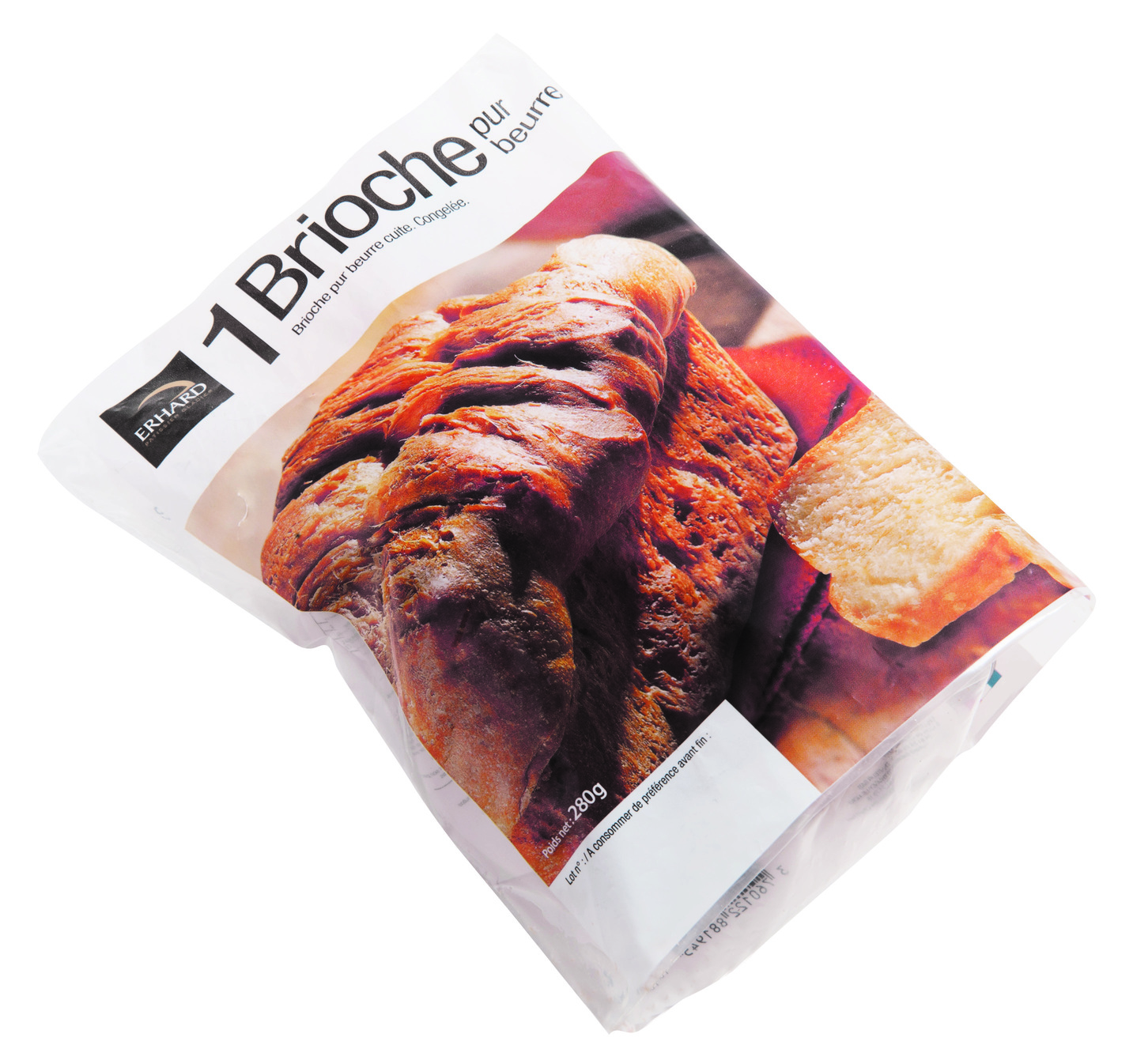 Image unavailable
Worth considering if you’re looking for an all-butter brioche to enjoy as a snack. The pack is listed as 280 g. Before choosing your portion, check the nutrition information, ingredients and allergens for this product on the product page or packaging.
It depends on what you want to include in your snack. A 32 g slice of Brioche Pasquier plain brioche lists 2.5 g of protein. If this nutrient matters to you, also consider the other foods you plan to eat.
First compare their nutrition information per 100 g, then consider how much you’ll eat. Pay particular attention to sugars, fibre, protein and fat, and don’t assume that a single value tells you everything about the recipe.
Check the exact product you’re buying. The Brioche Pasquier and Harry's recipes mentioned here list wheat and eggs, among other ingredients, while other ingredients and possible traces vary. Read the ingredients list and any “may contain” warnings on the packaging.
Follow the instructions on the pack you’ve bought. For example, Auchan’s product information for its braided brioche recommends storing it in a cool, dry place and resealing the bag with its clip after use.