
Livraison le jour même ou le lendemain

Qualité garantie

Débloquez vos offres de bienvenue: Livraison GRATUITE | Jusqu'à -80 % | 30 jours d'essai gratuits à JoyPlus
Téléchargez l'application
By the Joybuy editorial team, your tech experts
Getting a 100-inch-plus screen in your living room, bedroom, or even your garden is no longer an impossible dream. The portable projector has revolutionised how we enjoy our content, offering a flexible and far more immersive alternative to a standard TV. Say goodbye to the limitations of a fixed screen! Hello to impromptu movie nights, giant-screen sports broadcasts, and fully immersive gaming sessions.
But with an overwhelming number of options, it's hard to know where to start. This guide is here to break down the key criteria and present a selection of models that stand out from the crowd, helping you make the right choice.
Before you take the plunge, here are the key technical points to check to ensure your future device perfectly meets your expectations.
Image quality is, naturally, the number one criterion. It is primarily defined by two factors:
One of the major advantages of a modern portable projector is its ability to operate without needing to connect a computer or a TV box.
A portable projector must be quick and easy to set up. On this point, automatic adjustment technologies are a game-changer and a huge time-saver.
Enough theory, let's get practical! Here are a few models that particularly caught our attention.
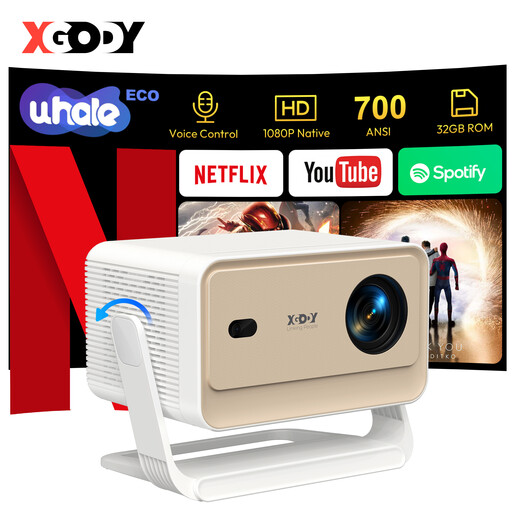
Why it stands out: The XGODY N6 Pro is the ultimate all-in-one solution for streaming fans. Its official Netflix certification and WhaleOS 3.0 operating system make it a device that's ready to use right out of the box, with access to a myriad of content.
Pros:
Who is it for? Ideal for those who want a turnkey, hassle-free home cinema experience with excellent image quality and immediate access to their favourite streaming services.
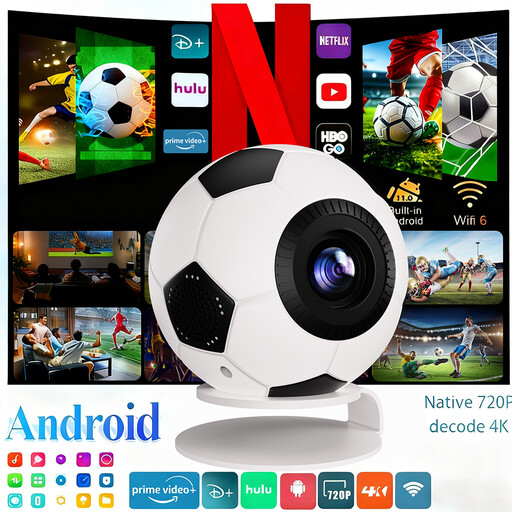
Why it stands out: With its original football-shaped design and high brightness, this mini projector is built for the atmosphere of big game nights. It's particularly well-suited for gatherings, whether indoors or outdoors.
Pros:
Who is it for? Perfect for sports fans who want to bring the stadium atmosphere home or into the garden, as well as for anyone who hosts group movie nights and needs a powerful, easy-to-set-up device.
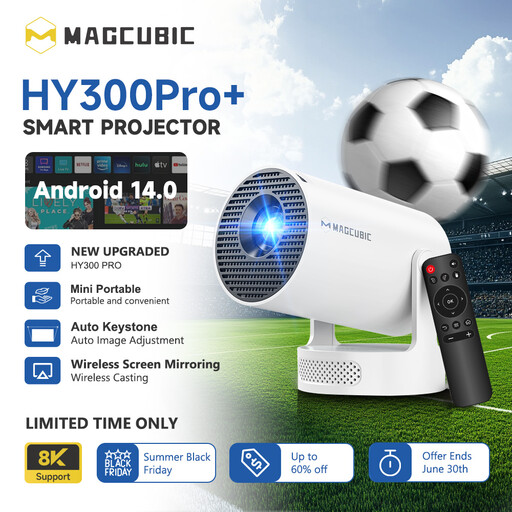
Why it stands out: This mini projector is all about portability and flexibility. Its feather-light weight and clever 180° rotating stand allow you to project an image absolutely anywhere, including on the ceiling for a movie night from the comfort of your bed.
Pros:
Who is it for? For nomads who prioritise mobility above all else. It's the perfect choice for small rooms, teen bedrooms, holiday trips, or simply for anyone who dreams of watching a movie projected on the ceiling.
A portable projector offers incredible freedom, but for a truly portable experience, especially outdoors or away from an outlet, a reliable power source is essential. Consider getting equipped so you never run out of battery during your movie nights under the stars.
Discover our selection of power banks and portable power stations to go with your device.
The ANSI lumen is the only standardised and reliable measurement, overseen by the American National Standards Institute. It is based on an average of the brightness measured at nine points on the projected image, which allows for objective comparison between models. Be wary of other terms ("marketing lumens," "light source lumens," etc.), which are often inflated and do not reflect the actual brightness of the image you will see.
Let's be clear: using a projector in broad daylight remains a real challenge. Even the brightest projectors (over 700 ANSI lumens) will struggle to display a high-contrast image in direct sunlight. For daytime use, it's essential to be in a room where the light can be controlled (blackout curtains, blinds) or to find a shady spot outdoors. The magic of cinema always works best in the dark.
For occasional use, a simple, smooth, matte white wall does the job perfectly well. However, to get the most out of your device and achieve a true home cinema setup, a dedicated projection screen is highly recommended. Not only does it improve contrast and colour fidelity, but it also increases the perceived brightness of the image, especially if it's an ambient light rejecting (ALR) screen.