
Livraison le jour même ou le lendemain

Qualité garantie

Débloquez vos offres de bienvenue: Livraison GRATUITE | Jusqu'à -80 % | 30 jours d'essai gratuits à JoyPlus
Téléchargez l'application
The idea of a portable projector is the stuff of dreams: transforming any wall into a cinema screen, whether in your living room, bedroom, or even outdoors. But be warned, the market is a jungle of technical promises and spec sheets designed to confuse you. To avoid the buyer's remorse of a regrettable purchase, it's crucial to know how to decode the jargon and identify the features that truly matter.
Before you take the plunge, here are the 3 most common pitfalls that can turn your home cinema projector dream into a nightmare.
To make an informed choice, focus on a few key technical specifications. They determine the quality and usability of your future mini projector.
Brightness, expressed in ANSI lumens, defines the projector's ability to produce a clear and high-contrast image in various lighting conditions.
Don't fall for the marketing ploys. The native resolution is the actual number of pixels the projector can display.
A good portable projector must be self-sufficient and easy to use.
Here are a few models that check all the boxes for different uses and budgets, based on the objective criteria we've just covered.
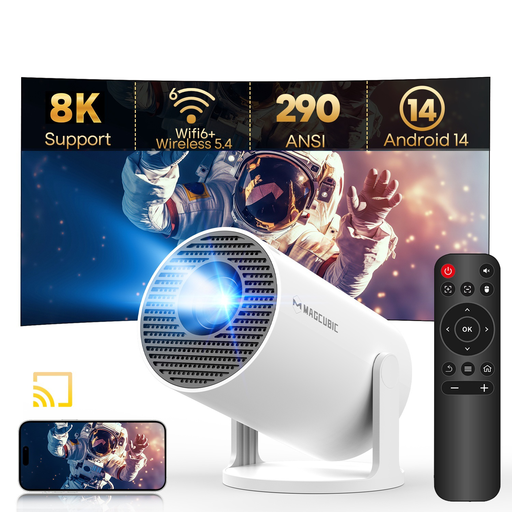
Who is it for? The ideal first projector, perfect for a teen's bedroom or for impromptu movie nights. Its compact size and rotating stand make it incredibly easy to place anywhere, even for projecting on the ceiling.
It's transparent about its specs: 290 ANSI lumens and a native 720p resolution. You know what you're buying: a projector for dark rooms, with no false promises.
Its 180° rotating stand and auto keystone correction offer amazing setup flexibility for an entry-level model.
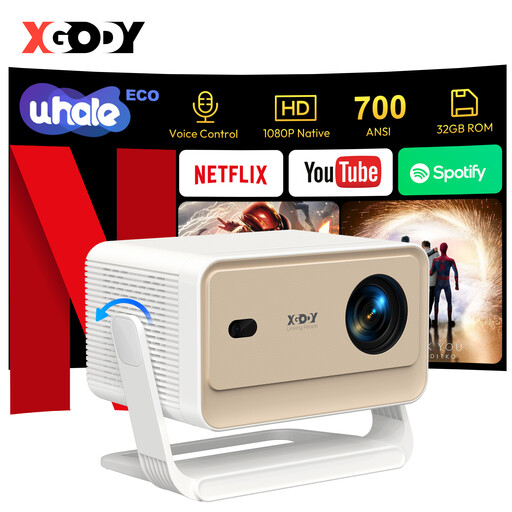
Who is it for? Those who want to replace their TV with a flexible, giant screen without sacrificing quality or simplicity. The perfect candidate for the family living room.
This model tackles the software trap by integrating an official Netflix license. It also combines a native 1080p resolution with a high, verified brightness of 700 ANSI lumens.
The winning trio: high brightness, native Full HD resolution, and direct access to streaming platforms. It's the ultimate all-in-one solution.
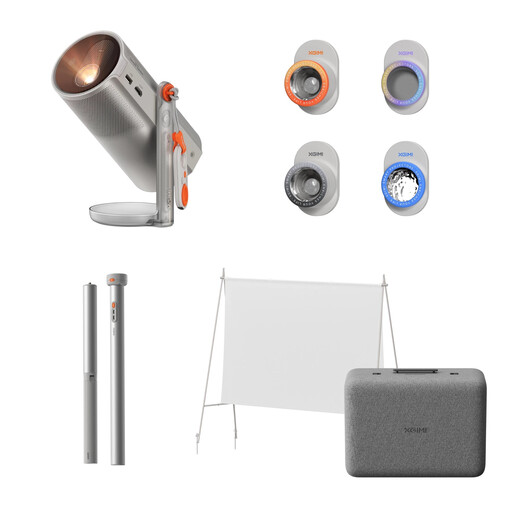
Who is it for? Those who want to take their entertainment everywhere: in the garden, on holiday, or just from one room to another. Its built-in battery makes it 100% autonomous, a must-have for adventurers and active families.
From a reputable brand (XGIMI), this model is crystal clear about its capabilities: 450 ISO Lumens (another reliable measurement), Google TV with certified Netflix, and a clearly stated battery life (2.5 hours).
Its built-in battery is its superpower. It offers true portability that most so-called "portable" projectors (which require an outlet) don't have. The Harman Kardon sound is the cherry on top.
We have put together a complete selection of projectors that meet our quality criteria and European safety standards.
Most recent models use an LED light source. Their lifespan generally ranges from 20,000 to 30,000 hours. To put it simply, that's over 10 years of use at 5 hours per day. In other words, a lifetime compared to old projector lamps.
No, not necessarily. A smooth, matte white wall works just fine for occasional use. However, a real projection screen will literally transform the image: the contrast, brightness, and colour fidelity will be much better, as its surface is designed to reflect light optimally.
Most WiFi projectors support screen mirroring via protocols like Miracast (Android) or AirPlay (Apple). The process is simple: connect both devices to the same WiFi network, then activate the feature on your phone. But be careful: due to copy protection (DRM/HDCP), apps like Netflix or Disney+ very often block this function. To enjoy them, the best solution is to use the projector's native apps or plug in a TV stick (like a Chromecast).