
Livraison le jour même ou le lendemain

Qualité garantie

Débloquez vos offres de bienvenue: Livraison GRATUITE | Jusqu'à -80 % | 30 jours d'essai gratuits à JoyPlus
Téléchargez l'application
The portable Bluetooth speaker market is a crowded field where it's easy to get lost among promises of power, battery life, and durability. Whether you're looking to liven up a garden party, provide a soundtrack for a picnic, or simply enjoy your music on the go, finding the perfect fit is essential. Our mission: to help you decode the spec sheets and identify the features that truly matter.
Before you take the plunge, watch out for these common pitfalls that can quickly ruin the experience:
To avoid unpleasant surprises, focus on objective data. Here are the three points to scrutinise to choose the portable Bluetooth speaker that's right for you.
The IP rating consists of two numbers: the first for dust resistance, the second for water resistance. If the first number is replaced by an "X" (e.g., IPX7), it means dust resistance has not been tested.
Battery life is directly related to the battery's capacity, expressed in milliampere-hours (mAh). A battery of over 3000 mAh is a good starting point to last a full day. Also, check the charging port type: the USB-C standard is now far more convenient and universal than the old micro-USB.
Some speakers also offer a power bank function to recharge your phone, a real bonus on the go.
The power of a wireless speaker isn't just about volume. Audio quality depends on several factors:
To illustrate how these criteria apply in practice, here are a few models that match specific user profiles.
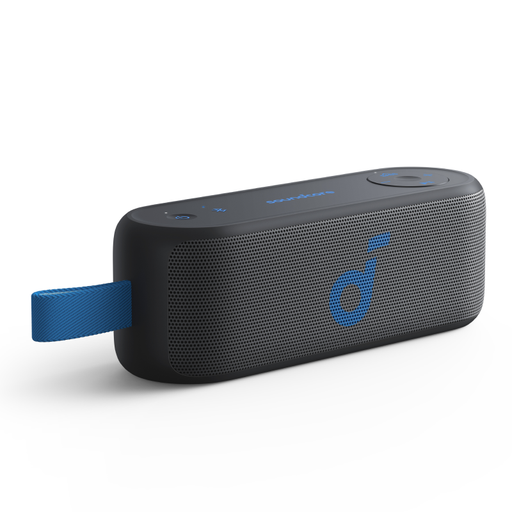
Who is it for? Ideal for those looking for a versatile and reliable speaker for weekend outings, picnics, or afternoons in the park. Its compact size and light weight make it easy to slip into a bag.
It avoids the trap of unrealistic battery life claims with a real-world endurance of 20 hours, enough to last a full day. Its IPX7 certification is a genuine guarantee against accidental dunks, much more than a simple marketing claim.
Excellent balance of portability, battery life (20h), and waterproofing (IPX7). The BassUp technology ensures surprisingly present bass for such a small device.
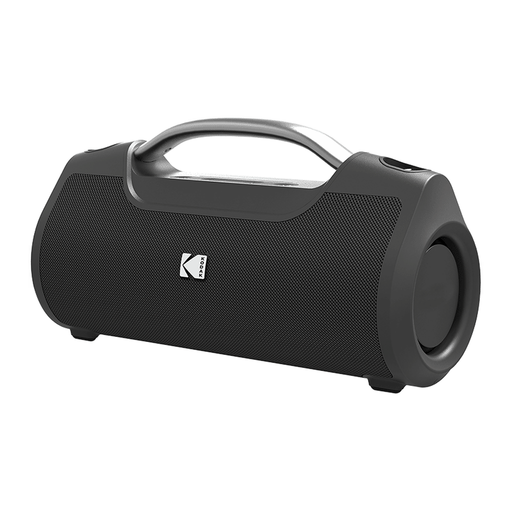
Who is it for? Designed for those who love to get the party started at barbecues, outdoor gatherings, or evenings with friends. Its power is calibrated to provide sound for a group without sacrificing clarity.
It doesn't just advertise 60W. This power serves a clear sound and deep bass, avoiding the pitfall of volume at the expense of quality. The TWS function lets you cleverly double down for true stereo sound.
60W of power perfect for the outdoors, IPX6 certification for worry-free use in the rain, and TWS technology for an expanded soundstage.
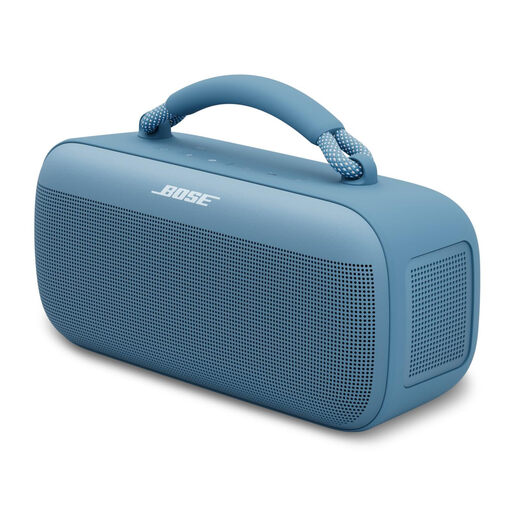
Who is it for? For those who make no compromises on sound quality, even on the move. It delivers the rich, deep audio signature typical of Bose in a chassis that's as rugged as it is elegant.
It justifies its price with undeniable audio performance and impeccable build quality. Its comprehensive IP67 certification guarantees resistance to both dust and immersion, making it a lasting investment.
Premium sound quality with impressive bass. Ultra-rugged design (IP67, shockproof). Bose app for customising the EQ and managing devices.
We have put together a complete selection of products that meet our selection criteria and current safety standards.
The lifespan of a portable speaker depends on its build quality and how it's used. Generally, the battery is the first component to show signs of wear. For a good quality model, you can expect 3 to 5 years of regular use before its battery life begins to decline noticeably. Protecting the device from shocks and extreme temperatures helps to extend its lifespan.
Yes, the vast majority of modern Bluetooth speakers can be used while they are charging. However, this may slow down the charging process and, on some models, cause slight overheating. For safety reasons, it is always recommended to use the original charger and cable or certified equivalents.
No, TWS (True Wireless Stereo) technology is almost always proprietary. To create a stereo pair, you must use two identical speakers from the same brand. It is therefore impossible to pair a speaker from brand A with a speaker from brand B in TWS mode.