
Livraison le jour même ou le lendemain

Qualité garantie

Débloquez vos offres de bienvenue: Livraison GRATUITE | Jusqu'à -80 % | 30 jours d'essai gratuits à JoyPlus
Téléchargez l'application
A portable Bluetooth speaker can go wherever you do: a party at home, a day at the beach, a bike ride or a weekend camping trip. However, product pages often focus on power, lighting effects or battery life without always explaining what those figures really mean.
Before placing your order, there are three potential pitfalls to consider.
For listening to music in a bedroom, office or small kitchen, a compact Bluetooth speaker with a few watts of power may be perfectly suitable. On a patio or among a group of friends, higher power gives you more headroom before the sound starts to show its limitations.
The RMS figure is more meaningful than so-called “peak” power: it is a more representative measure of continuous use. A powerful Bluetooth speaker should also be based on a well-balanced acoustic design. Full-range drivers, separate tweeters and passive radiators all affect bass reproduction and vocal clarity.
For a party speaker, also check whether the bass and treble can be adjusted separately. This lets you adapt the sound to a highly reverberant room or outdoor use.
IP ratings are read in two parts: the first digit generally refers to protection against solid particles, while the second indicates the level of protection against water. A waterproof Bluetooth speaker intended for the beach or camping should therefore be chosen based on its precise rating, rather than a simple marketing promise.
After using the device near water, dry it and check that the port covers are properly closed. A model that is not designed to withstand water should not be used in the rain, even if its casing appears sturdy.
A Bluetooth speaker with long battery life can keep you going all day, but take the time to compare the advertised battery life with the features enabled. LED lighting and high volume place greater demands on the battery.
The Bluetooth version, connection stability and stated range are also important considerations for a Bluetooth speaker for your smartphone. Simultaneously connecting two devices is useful when several people want to play their music, while stereo pairing lets you connect two compatible speakers to separate the left and right channels.
Finally, USB, USB-C, auxiliary or Micro SD card ports can provide a useful backup when your phone battery is low or you do not want to use a wireless connection.
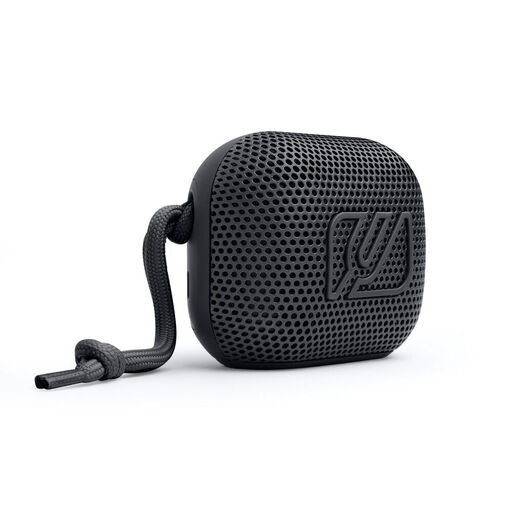
Why this choice suits this profile : With its 5 W output, this model is ideal for everyday listening in a room, at the office or on the go. Measuring 78 × 95 × 53 mm and weighing 0,28 kg, it is easy to carry.
The product details specify IPX4 resistance, so it cannot be mistaken for protection against immersion. The advertised battery life is up to 5 hours.
Bluetooth range of up to 10 m, hands-free function, USB-C and TWS stereo pairing with a compatible speaker.

Why this choice suits this profile : With 34 W RMS, two 22 mm tweeters, a mid-bass driver and a passive radiator, this model is designed for long listening sessions at home and small parties.
The RMS output is clearly stated, while the IP66 rating details protection against dust and water. Advertised battery life reaches 9 hours, depending on the conditions of use.
Bluetooth 5.4, simultaneous connection of two devices, stereo pairing, three lighting effects and the EDIFIER ConneX app.
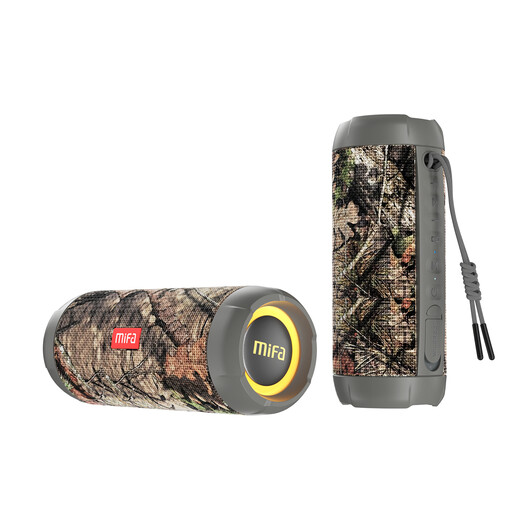
Why this choice suits this profile : This portable outdoor speaker is designed for trips where dust, water resistance and battery life come first: the beach, hiking, camping or by the pool.
The product details mention IP67 protection and a floating design. However, you must follow the usage instructions and check the covers before any contact with water.
Stated output of 30 W, Bluetooth 5.3, battery life of up to 12 hours, RGB lighting and playback from a Micro SD card.
We have put together a complete, real-time updated selection of products that meet these demanding criteria while complying with European safety regulations.
It all depends on its IP rating. An IPX4 model can withstand splashes, but not prolonged exposure to rain. For more demanding outdoor use, choose a higher rating and check the limits specified in the manual. Never connect the charging cable when the port is wet.
Technical specifications often state maximum battery life measured under very specific conditions. A speaker advertised for 9 to 15 hours may last less at high volume, with the lights on or in cold weather. To cover a full day, choose a battery life that exceeds your actual needs and charge the speaker before setting off.
Both devices generally need to support the same TWS or stereo pairing function. Activate this feature by following the instructions, then connect your smartphone to the primary speaker. For a consistent sound, place both speakers at a similar distance from where you are sitting and make sure their grilles are not obstructed.