
Livraison le jour même ou le lendemain

Qualité garantie

Débloquez vos offres de bienvenue: Livraison GRATUITE | Jusqu'à -80 % | 30 jours d'essai gratuits à JoyPlus
Téléchargez l'application
Choosing a portable Bluetooth speaker can quickly become overwhelming. Between promises of outrageous power, bulletproof waterproofing, and record-breaking battery life, it's easy to get lost in the marketing jungle. Our mission? To help you cut through the noise and identify the features that truly matter to you.
To avoid any disappointment, here are the 3 common pitfalls to watch out for before you buy:
To make the right choice, you need to focus on concrete data. Here are the three points to scrutinize to find the portable speaker that's truly right for you.
The Ingress Protection (IP) rating is an international standard that assesses a device's resistance to dust and water. It consists of two digits:
Instead of focusing on watts, take a closer look at the speaker's audio architecture. A good speaker with punchy bass combines several key elements:
For a portable speaker, long battery life is non-negotiable. Check the battery capacity, expressed in milliampere-hours (mAh): the higher the number, the more promising the endurance. For charging, prioritize USB-C, which has become the standard for its speed and universality.
Also, consider the little extras that make a big difference: TWS (True Wireless Stereo) mode, for pairing two identical speakers to get true stereo sound, or multipoint connection to easily switch between two sources (like your smartphone and tablet).
To illustrate these criteria in action, here are a few models that excel in their category and cater to specific user profiles.
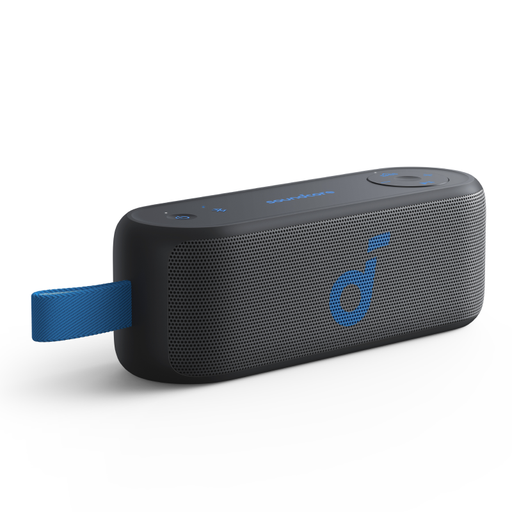
Why it's a match: The perfect speaker for those looking for a reliable, all-around model to take on a picnic, to the beach, or simply into the garden. Its ultra-portable design and solid battery life make it an excellent travel companion.
It's upfront about its features with an IPX7 certification, which guarantees true protection against immersion, not just splashes. Its 20-hour battery life is a reliable benchmark that will last all day.
Unbeatable value for money. Its BassUp technology promises to boost the bass for a deeper sound despite its pocket-sized format.
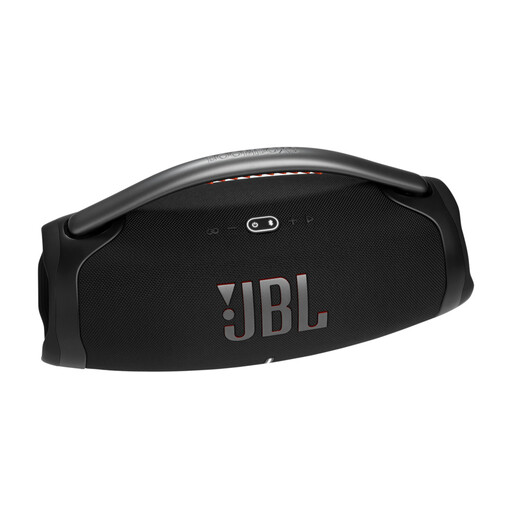
Why it's a match: Designed for those who make no compromises on power and bass impact. Ideal for setting the mood outdoors, filling a large garden with sound, or for lovers of hard-hitting audio.
Here, power isn't just an empty promise. It's backed by a 3-way audio architecture (subwoofer, mid-range drivers, tweeters) that ensures clear sound, even at full volume. Its IP67 certification is the most demanding: an armor against dust and immersion.
Massive sound and abyssal bass, the signature of JBL Original Pro Sound. Add to that 24 hours of battery life and the PartyBoost function to connect multiple speakers together.
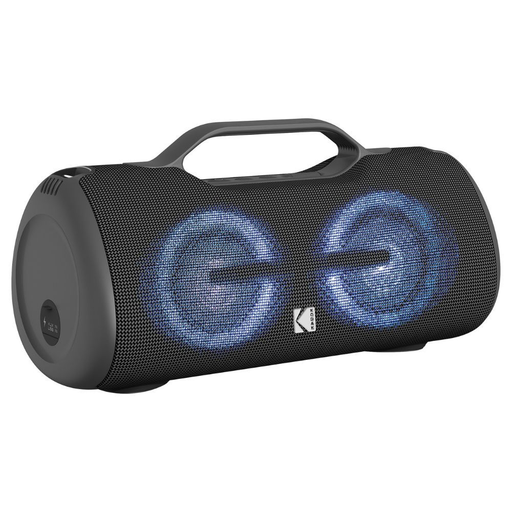
Why it's a match: For the user who wants an all-in-one solution: powerful enough for a small party, equipped with adjustable sound modes, and capable of charging a smartphone on the fly.
It doesn't just rely on a power figure, but on useful everyday features like its 3 EQ modes and its Power Bank function. Its IPX5 rating is honestly advertised for protection against water jets, which prevents unpleasant surprises.
Its versatility. Between the sound modes, the Power Bank function, and TWS connectivity, it adapts to any situation. Its 60W provide a comfortable power reserve.
Discover our full selection of speakers that meet our demanding selection criteria and current standards.
It all depends on your use case. For personal listening or a small group in a quiet place, 10 to 20 watts is more than enough. To liven up an indoor party or provide sound for a patio, aim for 30 to 60 watts. For large open spaces or outdoor parties, models with 80 watts or more are necessary. But keep in mind that raw power isn't everything; the quality of the components is just as crucial.
A good portable speaker generally has a lifespan of 3 to 5 years. This, of course, depends on the build quality, how often you use it, and, most importantly, how well you take care of the battery. To preserve it, avoid frequent complete discharges and don't leave it plugged in permanently once it's 100% charged.
The short answer is no. The stereo pairing technology, known as TWS (True Wireless Stereo), is almost always proprietary to a specific brand. To enjoy true stereo sound by pairing two speakers, it is essential to use two identical models from the same manufacturer.