
Livraison le jour même ou le lendemain

Qualité garantie

Débloquez vos offres de bienvenue: Livraison GRATUITE | Jusqu'à -80 % | 30 jours d'essai gratuits à JoyPlus
Téléchargez l'application
Whether you're setting the mood for a picnic, providing the soundtrack for a day at the beach, or simply listening to music at home without the clutter of cables, the portable Bluetooth speaker has become an essential accessory. The catch? The market is so vast that it's easy to get lost.
This guide is here to help you sort through the options. We've broken down the essential criteria and handpicked the top contenders of the moment—models that shine with their balance of performance, portability, and features. Our goal: to help you find the speaker that truly meets your needs.
Before diving into our selection, let's review the key points that will guide your choice and ensure your future speaker ticks all the right boxes.
If you plan to use your speaker outdoors, water resistance is non-negotiable. This is indicated by an IP (Ingress Protection) rating.
A good outdoor speaker should be at least IPX4 certified.
Power, expressed in watts (W), gives an idea of the maximum sound volume. A small Bluetooth speaker of 5 to 10 W will suffice for personal listening or in a small room. To liven up an outdoor party or fill a large living room with sound, a powerful wireless speaker of 20 W or more will be much more suitable.
Battery life is, of course, a crucial factor. A long-lasting Bluetooth speaker should provide at least 10 to 12 hours of playback to keep up with you all day. Be aware: the battery life advertised by manufacturers is almost always measured at a moderate listening volume.
Most recent speakers feature Bluetooth 5.0 (or a newer version), ensuring a stable connection and good range. An increasingly common feature is TWS (True Wireless Stereo) mode. This allows you to pair two identical speakers to create a true stereo sound, with separate left and right channels. The listening experience becomes far more immersive.
Here are three models that cater to different needs, whether you prioritise power, durability, or compactness.
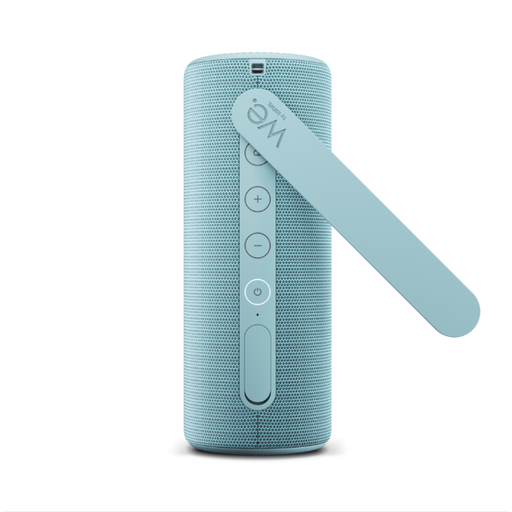
Why It Stands Out The Loewe We. HEAR 1 combines a sleek design with surprisingly powerful sound for its size. With 40 W, it delivers a rich, balanced sound, equally at home providing audio for a living room or a patio.
Highlights
Who is it for? For those seeking a versatile speaker that's as comfortable at home as it is on the go, and who refuse to compromise on style or audio quality.
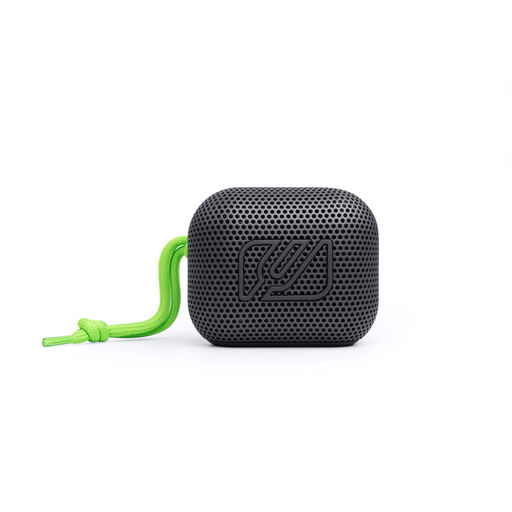
Why It Stands Out The Muse M-360 BT is the epitome of the ultra-portable mini Bluetooth speaker. Lightweight and easy to carry with its strap, it's designed to follow you everywhere without ever weighing you down.
Highlights
Who is it for? For nomads looking for a supplementary audio solution, easy to slip into a bag for listening to music or podcasts on the move, all at an affordable price.
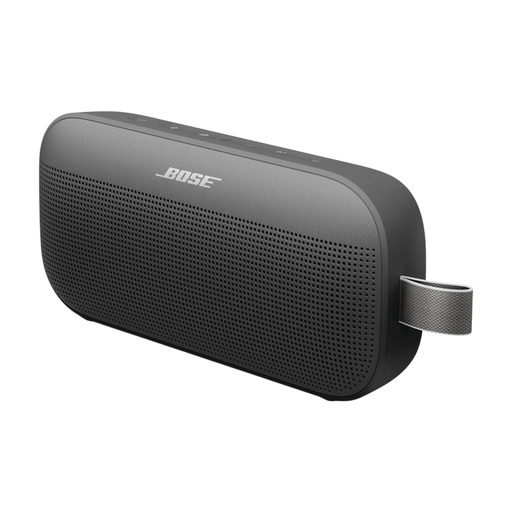
Why It Stands Out The Bose SoundLink Flex is designed for adventurers. With its rugged chassis, IP67 certification, and PositionIQ technology that adapts the sound to its orientation, it's the reliable companion for all your adventures.
Highlights
Who is it for? For outdoor enthusiasts, hikers, and anyone who wants an ultra-durable outdoor speaker that can brave the elements without compromising on audio quality.
Our selection covers several use cases, but choosing a portable Bluetooth speaker is a very personal decision. If these models don't tick all your boxes, or if you want to explore other form factors and budgets, the possibilities are vast.
? Explore our full collection of wireless speakers to discover other gems.
1. How many watts should I choose for a portable Bluetooth speaker? The power you need depends on your use case. For solo listening or in a small room (bedroom, office), 5 to 10 W is sufficient. For a living room, a patio, or a small gathering, aim for 15 to 40 W. Anything more powerful falls into the category of party speakers, which are larger and designed to fill large spaces with sound.
2. Can you connect two Bluetooth speakers together? Yes, provided the speakers are compatible with TWS (True Wireless Stereo) technology or a similar pairing mode (sometimes called "Party Mode"). This allows you to connect two identical speakers to get true stereo sound (one for the left channel, the other for the right) or simply to play the same music on both simultaneously to boost the volume.
3. What is the difference between an IPX6 and IPX7 certification? The difference lies in the level of water protection. An IPX6 speaker is protected against powerful water jets, like a heavy downpour or a rinse under the tap. An IPX7 speaker goes further: it can be fully submerged in up to 1 metre of water for 30 minutes without damage. The choice, therefore, depends on your level of exposure to water!
By the Joybuy Product Recommendation Officer