For stocking up on breakfast
If you’re buying several packs in advance, check their weight, date and packaging condition. The instructions for after opening also matter when planning how to use your supplies.


If you’re stocking up, plain oats are worth considering as a cupboard staple if you’re happy to prepare your own porridge and choose the recipe yourself. A dry mix gives you a different flavour option, while a ready-to-eat product means less preparation but shouldn’t be treated as a long-life cupboard product without checking first. Whichever you choose, pick a format you’ll use, then check the date, ingredients and storage instructions for the product you buy.
If you’re buying several packs in advance, check their weight, date and packaging condition. The instructions for after opening also matter when planning how to use your supplies.
A large pack is only worthwhile if you expect to use it in the right conditions. Compare the net weights and ingredients before deciding how much to keep in the cupboard.
Depending on what you need, distinguish between oats that need preparing, dry mixes and ready-to-eat products. Check the ingredients and allergens for each product, especially if you need to avoid gluten.
When shopping in advance, start with storage conditions and how much you’ll use, then choose the level of preparation and recipe that suit you.
| What to consider | What to check | Who is this for? |
|---|---|---|
| Storage and rotation | Read the printed date and storage instructions, especially for after opening. Check whether it’s a best-before date or a use-by date: according to the DGCCRF, they mean different things. | If I’m stocking up in advance, I want to know when to open each pack and how to store it afterwards. Storage and rotation are the top priority for around 33% of consumers. |
| Quantity | Compare the net weight and choose an amount that suits how often you’ll use it, especially if the bag can be resealed. | To avoid keeping an opened pack for too long, I prefer an amount I can use regularly. Around 27% of consumers put pack size first. |
| Preparation | Check whether the product needs a liquid, needs cooking or can be eaten as it is. | If breakfast needs to be quick to prepare, I distinguish between dry oats and a ready-to-eat product. Ease of preparation comes first for around 20% of consumers. |
| Ingredients and allergens | Read the ingredients and allergen information for the exact product. If you need to avoid gluten, look for a ‘gluten-free’ label rather than relying on the word ‘oats’. | If I need to avoid an ingredient, the recipe matters more than the format or how quickly it can be prepared. Around 20% of consumers prioritise ingredients and allergens. |
Ordinary oats may carry warnings about other cereals that contain gluten. The Bjorg three-cereal porridge described by Auchan contains wheat and spelt.
If you need to avoid gluten, check for a ‘gluten-free’ label, then read the ingredients and allergen information on the pack you choose.
The date and instructions for after opening matter whatever the pack size. The Terres & Céréales oats featured by Auchan need to be resealed and stored away from heat and moisture.
Choose an amount you can use in good time and follow the storage instructions for the product you buy.
The fact that porridge can be eaten without cooking doesn’t tell you its date or storage conditions. The DGCCRF distinguishes between a best-before date (DDM) and a use-by date (DLC), which must not be exceeded.
Before adding a ready-to-eat pot or pouch to your supplies, check its date, storage conditions before opening and instructions for after opening.
These products illustrate different ingredients and formats. The brand name is no substitute for reading the packaging of the product you choose.
Carrefour offers plain oats in a 1 kg box, made from 100% wholegrain oats.
Quaker France offers plain oats in 550 g and 800 g packs, with instructions for making them hot.
Auchan offers organic wholegrain oats in a 1 kg bag.
The organic Bjorg three-cereal porridge featured by Auchan is a dry mix, rather than plain oats.
This selection includes oats, a dry porridge mix and ready-to-eat rice porridge. The latter is a good option if you want to keep preparation to a minimum, but it isn’t oat porridge.
 Image unavailable
For making porridge from oats rather than a pre-mixed recipe. Check the printed date and instructions on the pack you receive. If you need to avoid gluten, check the labelling before choosing this product.
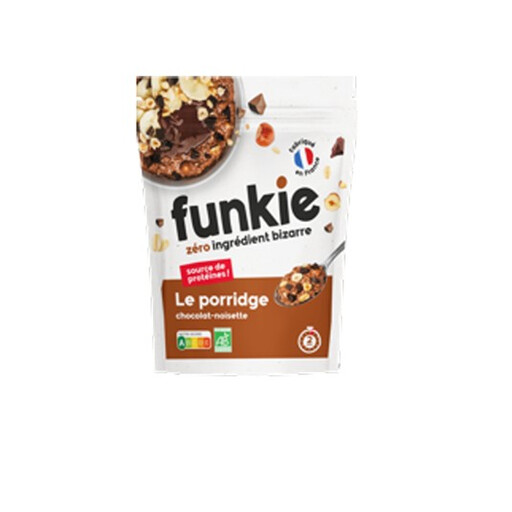 Image unavailable
A dry chocolate and peanut recipe if you’d prefer something flavoured to plain oats. This product contains peanuts; the product information says to refrigerate it after opening. Check the date and allergen information on the packaging too.
 Image unavailable
For making your own porridge from a pack of oats. Reseal the bag after opening and check the date and allergen information: the product information warns that it may contain traces of other cereals containing gluten, milk, nuts, sesame and soya.
 Image unavailable
For making porridge from oat flakes. Keep the bag dry and reseal it after opening. Check the date on the pack and its labelling if you need to avoid gluten.
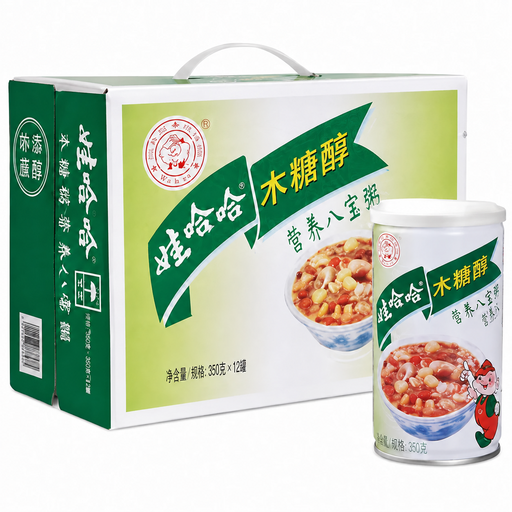 Image unavailable
A ready-to-eat option instead of oat porridge that needs preparing: this is rice porridge sold in a pack of 12 containers. The recipe includes barley and peanuts, among other ingredients. Check the date on the pack, eat each container immediately after opening and bear in mind the product information’s warning that excessive consumption may have a laxative effect.
According to the DGCCRF, a use-by date (DLC), shown as ‘use by’, must not be exceeded. A best-before date (DDM), shown as ‘best before’, may have passed if the packaging is intact, although the product may have lost some of its flavour. In both cases, follow the storage conditions and check the instructions for after opening.
No. If you need to avoid gluten, look for a ‘gluten-free’ label on the exact product and read its allergen information. The relevant EU regulation sets a maximum gluten content of 20 mg/kg and specifies particular production or processing conditions for oats. Ordinary oats may carry warnings about wheat or barley.
Follow the instructions on the bag you buy. For the Terres & Céréales oats featured by Auchan, store the bag away from heat and moisture and seal it properly after each use.
When choosing a product sold in France, check its name, ingredients and allergens, net quantity, nutrition information, date and storage instructions. The DGCCRF reminds shoppers that this labelling helps them compare recipes and identify the conditions that apply to each product.