Families looking for a portion that’s ready to open
A pot saves you having to measure out porridge at school. However, check whether your child can eat it cold or whether heating is genuinely available.


For a school lunchbox, choose a ready-to-eat pot of porridge if your child can eat it cold or can heat it at school. A dry sachet still needs liquid and a container, while a large pack of oats is better suited to a portion prepared at home. In every case, check the storage instructions and, where necessary, the ingredients and meal arrangements agreed with the school.
A pot saves you having to measure out porridge at school. However, check whether your child can eat it cold or whether heating is genuinely available.
Oats let you measure out a homemade portion or prepare overnight porridge to chill. You’ll then need a suitable container and transport conditions that work for the recipe.
The ingredients and allergen information on the exact product matter more than its format. If your child’s health means their diet needs to be adapted, ask the school how their meals are organised.
Start with what your child will actually be able to do at mealtime, then check how the porridge should be stored and read the chosen product’s label.
| Criterion | What to check | Who is it for? |
|---|---|---|
| Ready to eat | Whether it’s a ready-to-eat pot or a dry sachet; whether it can be eaten cold and what equipment is needed. | If your child needs to be able to open their lunchbox and eat without preparing their porridge, a ready-to-eat option comes first. Around 36% of consumers prioritise this mealtime convenience. |
| Storage | The pack’s instructions and keeping any perishable ingredients added at home chilled. | If I prepare a portion the night before, I want it to stay properly stored until lunchtime. Storage is the main concern for around 29% of consumers. |
| Allergens and school meal arrangements | The ingredients and allergen information on the exact pack; how meals are organised with the school, if needed. | If a child needs to follow a particular diet, choose a product that fits its label and the school’s meal arrangements. This is the top priority for around 21% of consumers. |
| Preparing portions at home | How much to prepare for each portion and how long it takes to fill the lunchbox. | If I regularly prepare meals, I may prefer to measure out the oats and adapt the recipe rather than take a filled pot. Around 14% of consumers put this flexibility at the top of their list. |
A measured sachet may still need water or milk, a container and a spoon. So it won’t solve the school-meal problem if your child doesn’t have what they need to prepare it.
Read the pack’s instructions and check with the school what equipment can be used at lunchtime.
The Bjorg 3 Céréales porridge listed by Carrefour France also contains wheat and spelt. A product’s name is no substitute for checking its ingredients.
Check the ingredients and allergen information on the exact pack, then confirm the meal arrangements with the school if a special diet is needed.
According to Anses, keeping food at a low temperature slows the growth of micro-organisms. A homemade recipe containing perishable ingredients therefore needs particular care between preparation and lunchtime.
Follow the storage instructions for the ingredients and make sure they stay suitably chilled during transport and while waiting to be eaten.
You may need an insulated bag and ice packs to do this.
Carrefour France lists Oat Burst apple and blueberry porridge in a 57 g pot.
Carrefour France lists Quaker oats; a third-party seller also offers individual Quaker sachets.
The Bjorg 3 Céréales porridge listed by Carrefour France combines oats, wheat and spelt.
Carrefour France lists Carrefour Original oats in a large pack.
E.Leclerc lists Grainea oats in 500 g and 1 kg packs in its Marque Repère range.
This selection includes tinned porridge that can be eaten without preparation, dry portions that need preparing and a mix to measure out at home. For a lunchbox, first choose an option that suits the facilities available at school and the storage conditions the portion needs.
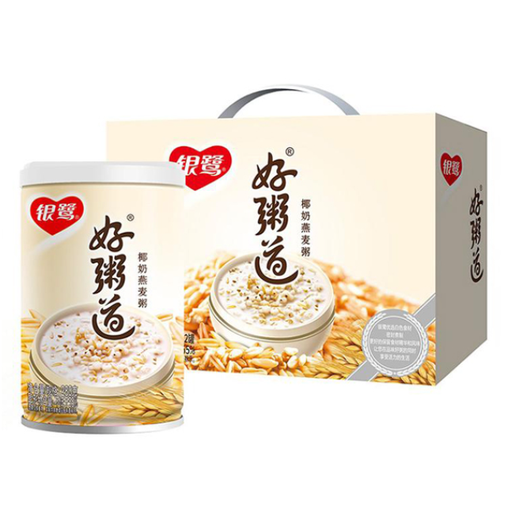 Image unavailable
For a lunchbox that doesn’t need preparing at school, this canned porridge is described as ready to eat at room temperature. Each can contains 280 g, so check that this is a suitable amount for your child. Check the exact label for allergens and instructions for after opening.
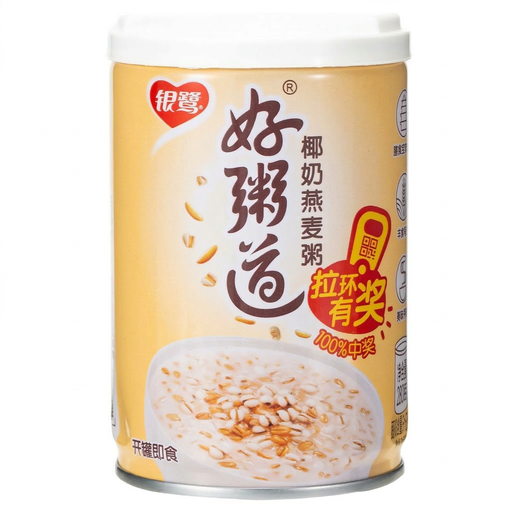 Image unavailable
This can is described as ready to eat hot or cold, provided its 280 g size suits the lunchbox. The product listing says to consume it immediately after opening. Check the ingredients and allergens on the exact pack.
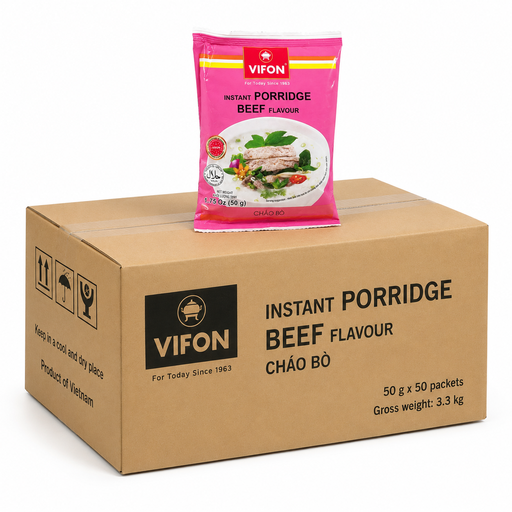 Image unavailable
The sachets are pre-portioned, but their contents aren’t ready to eat: you’ll need a bowl and boiling water to prepare them. Check that this equipment can be used at school and read the allergen information on the pack being sold.
 Image unavailable
This 245 g sachet is better suited to a portion measured out and prepared at home than to eating straight from the pack at school. The product listing describes preparing it the night before and chilling it. If you add perishable ingredients, make sure they stay chilled until mealtime, and check the product label for allergen information.
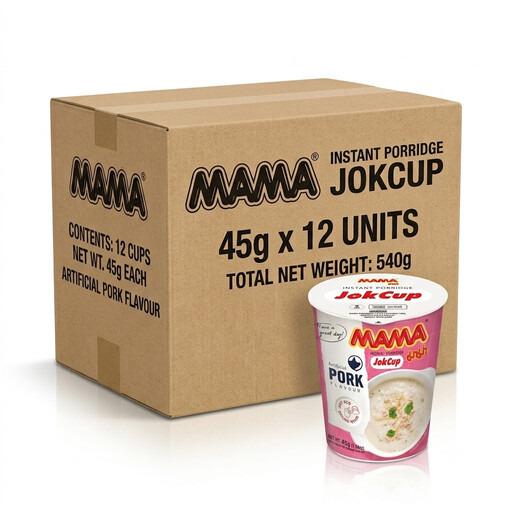 Image unavailable
This individual portion of rice porridge needs hot water and a container, so it’s only suitable if it can be prepared at mealtime. Check the instructions and allergen information on the exact pack before including it in a school lunchbox.
Yes, as long as your child can eat it in the way specified for that product and it can be stored safely until mealtime. For example, Auchan describes its Ambrosia porridge as suitable to eat hot or cold. Check the instructions on the pot you choose rather than assuming they’re all eaten in the same way.
Not necessarily: “individual” describes the portion size, not how it should be eaten. Read the sachet instructions to find out what liquid and container you’ll need, and whether it needs heating. Then check that these are available at school.
No. The Bjorg 3 Céréales porridge listed by Carrefour France contains wheat and spelt, among other ingredients. For the product you’re considering, check the ingredients, allergen information and labelling on the exact pack against the dietary requirements.
Contact the school before planning this meal. The French Ministry of National Education says an individual care plan can be put in place for a pupil with specific health needs and can include dietary requirements, if necessary. Ask how this will work in practice for storing, preparing and serving your child’s meal.
Prepare it according to your chosen recipe, then follow the storage instructions for its ingredients until lunchtime. Lidl France offers a recipe for porridge left to chill overnight; if your recipe contains perishable ingredients, make sure it stays chilled during transport too. Anses highlights the importance of maintaining the cold chain.