Households making several bowls
If you make porridge for several people or over a few weekend mornings, the pack size matters just as much as how much dry storage space you have.


If you’re making several bowls of porridge at the weekend, a large bag of plain porridge oats lets you choose how much oats, liquid and toppings to use, so you don’t need a tin. A 500 g bag is a better choice if you only make porridge occasionally. If you opt for a portioned or ready-to-eat product, check the ingredients: rice congee or granola isn’t a like-for-like substitute for plain oats.
If you make porridge for several people or over a few weekend mornings, the pack size matters just as much as how much dry storage space you have.
When choosing between two packs, compare plain oats from the same category rather than treating oats, granola and flavoured porridge as equivalent.
The label on the exact product matters if you need to avoid certain ingredients or cereals. The ingredients in one oat product won’t necessarily apply to every variety.
First, decide whether you want plain oats to prepare yourself or a ready-made product. Then compare pack sizes based on how many bowls you plan to make and how you’ll store the oats.
| Factor | What to check | Who is it for? |
|---|---|---|
| Quantity | Net weight and price per kilo for comparable plain oats. | If you’re planning several bowls every weekend, avoiding frequent trips to buy more may be a priority. Around 36% of consumers would prioritise quantity and comparing pack sizes. |
| Preparation | Suggested serving size and instructions for cooking on the hob, in the microwave or ahead of time. | If you’re short on time in the morning, being able to make a bowl easily may be your top priority. Around 29% of consumers would put convenience ahead of other needs. |
| Ingredients | Ingredients, allergens and nutritional information for the exact product. | If you need to avoid an ingredient or want to choose your own toppings, it’s important to know exactly what’s in the recipe. Around 21% of consumers would prioritise having this control. |
| Storage | The actual packaging, best-before date and instructions for storing the product after opening. | If cupboard space is limited or you eat porridge infrequently, being able to finish and store the pack matters more than its weight. This would be the main concern for around 14% of consumers. |
A tin of dried oats, a large bag and ready-to-eat portions are different types of packaging. Carrefour’s listing for a 500 g tin of Quaker oats says it’s unavailable through Carrefour Drive; it doesn’t mean a multipack is available.
Before choosing a product based on its packaging, check what it is, its net weight and how the specific product is packaged.
They have different ingredients and uses. Comparing them by pack weight alone could hide these differences.
Start by comparing plain oats with other plain oats. For a ready-made product, check its ingredients and nutritional information separately.
Auchan’s listing for 800 g of Quaker oats says “100% wholegrain oats”, but also states “May contain: wheat, barley”.
If you need to avoid gluten, check the labelling and relevant claims on the exact product before choosing it.
An opened large bag could sit in your cupboard for a long time if you only make porridge occasionally.
Choose a pack size that suits how often you eat porridge, and follow the storage instructions on the packaging.
These ranges give you an idea of the pack sizes and product categories available. Their inclusion here doesn’t mean that all their products are sold on Joybuy.
Oats for making porridge your way, including an 800 g product described by Auchan.
Ranges of plain oats in standard and larger pack sizes, with a separate organic option.
Own-brand oats, including 500 g and 1 kg packs featured in Auchan’s oats range.
E.Leclerc’s range includes 500 g and 1 kg packs of oats, as well as separate muesli and granola products.
Granola and oat cereals for anyone looking for a ready-made product rather than plain oats to cook.
This selection includes oats for making porridge, a multipack of ready-to-eat rice congee and an instant oat mix in sachets. First choose the category that suits your breakfast, then pick the pack size.
 Image unavailable
A bag of instant oats for making several bowls without choosing an already flavoured recipe. At 700 g, it’s smaller than the larger 800 g or 1 kg bags. If allergens affect your choice, check the information on the exact product packaging.
 Image unavailable
This 500 g pack is suited to more occasional use or to making porridge with plain oats for the first time. If you need to avoid gluten, don’t assume the information for another Quaker product applies here: check this pack’s own label.
 Image unavailable
Another 500 g pack to consider if you want to measure out your own porridge and toppings. An organic label alone doesn’t mean the product is suitable if you need to avoid gluten, so check the exact packaging.
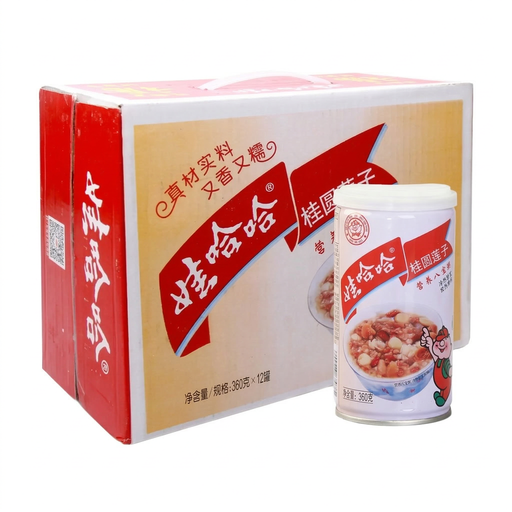 Image unavailable
This multipack of congee portions is for anyone looking for a ready-to-eat product rather than oats to cook. It’s made with rice, not a large pack of plain porridge oats. Check the ingredients and packaging before comparing it with the other products.
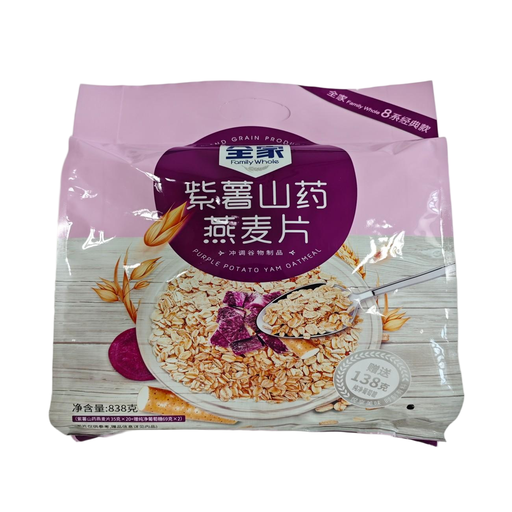 Image unavailable
This ready-made mix is for a different purpose from a pack of plain oats. If you want to control the ingredients in every bowl, check the ingredients in the mix, including the glucose.
Quaker’s recipe uses 40 g of oats with 250 ml of milk or water. This is a guide for that particular recipe, so adjust the quantities to suit how you want to make your porridge and follow the instructions on the pack you buy.
Yes. Quaker’s recipe uses oats and milk or water, cooked in the microwave for three minutes at 800 W. Follow the instructions for your product and use a suitable container.
Auchan’s listing for 800 g of Quaker oats says to store them in a dry place. After opening, follow the instructions on the pack, seal it properly and check the best-before date.
No. Auchan’s listing for 800 g of Quaker oats says “May contain: wheat, barley”. If you need to avoid gluten, check the relevant information on the exact product rather than relying on the word “oats” alone.
When choosing between plain oats and a ready-made mix, check the ingredients, allergens, net quantity and nutritional information. The DGCCRF says these are among the details that must appear on the labels of pre-packed food in France.