What should you look for first?
For family porridge, first choose the type of product that best meets your household’s main needs, then check the pack size and label of the product you’ve chosen.
| What to consider |
What to check |
Who is it for? |
| Wholegrains |
Look for ‘wholegrain oat flakes’ in the product name or ingredients; compare fibre and sugars per 100 g across similar products. |
If I want a plain base that everyone can top to taste, I need to be able to identify the cereal used. Around 31% of consumers prioritise finding a simple wholegrain base. |
| Family-sized pack |
Check the net weight, how often it will be eaten and the storage instructions after opening. |
When we make several bowls each week, I look for a pack that suits our household’s routine and won’t be left open for too long. Around 31% of consumers prioritise pack size over other factors. |
| Preparation and texture |
Check the type of product — plain flakes or a prepared recipe — and how to make it. |
For busy mornings or different texture preferences, I want to know what I’ll need to prepare and serve. Around 25% of consumers prioritise ease of preparation and whether the recipe will suit everyone. |
| Specific labelling |
Check the ingredients, allergens and claims relevant to your particular needs; don’t assume ‘organic’ means ‘gluten-free’. |
If my household looks for organic products or needs to avoid an ingredient, the exact product matters more than the range name. Around 13% of consumers prioritise specific labelling requirements. |
Products to explore on Joybuy
These two 500 g products suit different needs: organic oat flakes for making porridge your way, and oat groats for a recipe that takes longer to cook.
 Image unavailable
BJORG Organic Oat Flakes, 500 g
Oat flakes for households who want to make porridge their own way. The pack contains 500 g, so check whether this size suits the number of bowls you make each week. The product information lists gluten from oats; organic does not mean ‘gluten-free’.
View on Joybuy
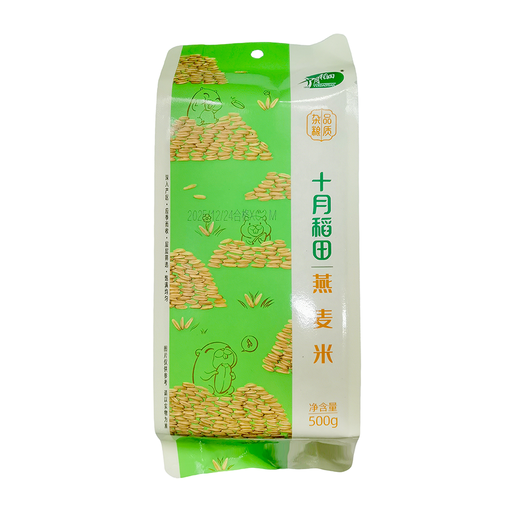 Image unavailable
Oat Groats, 500 g
Worth considering if you’re looking for oat groats rather than flakes for your porridge. The pack contains 500 g and the stated cooking time is 30 to 40 minutes, so you’ll need to allow for this at breakfast. The product information lists gluten from oats.
View on Joybuy
Frequently asked questions
How can you tell if porridge oats are wholegrain?
Look for an explicit reference to wholegrain oats in the product name or ingredients; the word ‘porridge’ alone isn’t enough. To compare two similar products, check their fibre, sugars and other nutritional values per 100 g. Manger Bouger recommends choosing wholegrain or semi-wholegrain cereal-based starchy foods.
Is a 1 kg pack always suitable for a large family?
No. It’s most practical if your household eats these flakes regularly and can store them as directed after opening. If breakfast habits vary a lot, check that the pack size matches how quickly you’ll use it.
How should you store flakes after opening?
Reseal the pack and keep the flakes away from heat and moisture. Follow the storage instructions for the product you’ve bought, especially if it’s a prepared recipe rather than plain flakes.
Does ‘wholegrain oats’ mean ‘gluten-free’?
No. ‘Wholegrain’ describes the cereal, not whether the product is suitable for a gluten-free diet. If gluten needs to be excluded, check for a specific suitability claim and read the label on the exact pack.
What should you compare on a prepacked porridge product?
Start with the product name, ingredients, allergens and net quantity. To compare recipes, use the nutritional information per 100 g. The DGCCRF states that the nutrition declaration for the relevant prepacked foods is given on this basis, or per 100 ml depending on the product.


