Older people who prepare meals at home
Plain oats let you control how much you make and choose which ingredients to add. Pack size matters if porridge is a regular part of your menu.


If you make porridge regularly and want to choose the ingredients you add, plain oats are a flexible starting point. Ready-to-make porridge can be a good option when convenience or flavour matters more. However, a ‘high-protein’ label alone doesn’t mean a product meets the needs of someone who eats very little or is losing weight unintentionally.
Plain oats let you control how much you make and choose which ingredients to add. Pack size matters if porridge is a regular part of your menu.
Choosing a porridge isn’t just about the cereal base. Manger Bouger points out that nutritional needs don’t necessarily decrease after the age of 75. If a reduced appetite persists or weight loss is unintentional, seek professional advice.
Ready-to-make or flavoured porridge may suit this preference. It’s still worth checking the ingredients and nutritional information for the specific product you choose.
Start with the format and preparation method that suit how you plan to use it, then check the specific product’s label. A formula designed for weight management doesn’t, simply by virtue of how it’s presented, address a reduced appetite.
| What to consider | What to check | Who is it for? |
|---|---|---|
| Pack size for regular use | Net weight and the number of portions you’ll actually make. | If I make porridge often, I want a pack that suits how much I use without leaving oats unused; around 36% of consumers put this need first. |
| Appetite and overall diet | The product’s stated purpose and nutritional information per 100 g, particularly protein, sugars and salt. | If my appetite decreases or my weight changes unintentionally, I don’t want to choose a formula based on its name alone; around 29% of consumers prioritise this nutritional consideration. |
| Preparation and taste | Preparation instructions and the ingredients in flavoured recipes. | If making breakfast takes too much effort, I’m looking for a recipe that’s easy to serve and enjoy; around 21% of consumers put convenience or taste first. |
| Ingredients and dietary restrictions | The ingredients list and any allergens highlighted on the packaging. | If I have an allergy or dietary restriction, I need to check the exact ingredients before serving the product; this is the top priority for around 14% of consumers. |
Porridge may also be marketed as a meal replacement for weight management. That’s different from the needs of an older person at risk of malnutrition; Manger Bouger advises against prioritising low-calorie products in this situation.
Check the intended use on the packaging. If you’re experiencing unintentional weight loss, a persistently reduced appetite or following a medical diet, ask a healthcare professional for advice rather than choosing a formula based on its marketing claims.
Single-serve sachets, flavoured mixes and plain oats don’t necessarily contain the same amount of product or offer the same flexibility in how you prepare them.
Check the net weight, the number of useful portions and the recipe. A smaller pack can also be a good way to try a flavour or texture before buying a larger one.
A mixed recipe may contain other ingredients that matter if you have an allergy or dietary restriction. For prepacked foods, the DGCCRF says allergens must be highlighted in the ingredients list.
Check the label for the exact product, including its allergens and nutritional information, before serving it.
An oat brand available in several formats, including an 800 g pack listed by Auchan.
These own-brand ranges include plain and organic oats among Carrefour’s listings.
The range listed by E.Leclerc includes oats in 500 g and 1 kg packs.
The retailer lists, among other products, an 800 g pack of Quaker oats.
These Joybuy products include flavoured mixes, instant oats and plain oats. Start by choosing the preparation style you prefer, then check the ingredients and instructions on the pack you’re interested in.
 Image unavailable
A flavoured mix for anyone who’d like to make cocoa porridge rather than start with plain oats. The pack contains 245 g; check the label for sugars, ingredients and allergens to suit your needs.
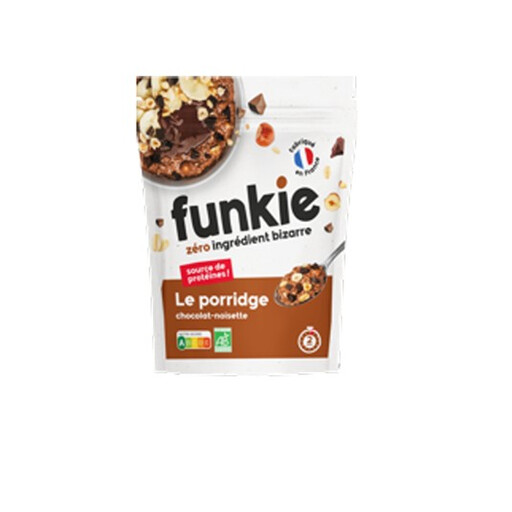 Image unavailable
A flavoured recipe to consider if taste is an important part of your choice. The pack contains 280 g; check the ingredients list and allergens, especially if peanuts are a concern.
 Image unavailable
An option to consider if you prefer instant preparation and want to measure out what you need from a 700 g bag. Before buying, check the preparation method, ingredients and allergens on the packaging.
 Image unavailable
Oats to consider if you want to make porridge yourself and choose which ingredients to add. The pack contains 500 g; check the preparation instructions and label if you have a dietary restriction.
 Image unavailable
A pack of oats to consider if you prefer to make porridge at home. It contains 500 g; prepare it to suit your needs and check the label if you have any questions about ingredients or allergens.
Plain porridge is a cereal base, but on its own it isn’t a solution to a persistently reduced appetite. Manger Bouger points out that nutritional needs don’t necessarily decrease after the age of 75. If someone continues to eat less or is losing weight unintentionally, seek medical or dietetic advice about their overall diet.
No. The label alone doesn’t tell you what the product is intended for. Some formulas are designed for weight management: check the product description and nutritional information, and ask a healthcare professional for advice if malnutrition is suspected.
Compare their nutritional information on the same basis, per 100 g, as well as their ingredients lists. The DGCCRF says nutritional information is given per 100 g or 100 ml; also check how much you actually plan to prepare.
Check the ingredients list for the specific product. According to the DGCCRF, allergenic ingredients in prepacked foods must be highlighted in the list; don’t assume they’re absent based on the product name or flavour alone.