Households stocking up the cupboard
A pack of dry oats can be used in several different dishes. Before choosing a larger pack, estimate how much you’ll use and make sure you have somewhere dry to store it after opening.


For several Easter breakfasts and recipes, choose plain oats in a quantity you can use and store in a dry place after opening. A metal tin doesn’t necessarily mean a large pack, while ready-to-eat porridge is designed for convenience rather than as a base for cooking. If you need to avoid gluten, check that the specific product is labelled ‘gluten-free’.
Your choice depends mainly on what you plan to do with the oats after your Easter shop: store a dry staple, cook several recipes or choose a product with a specific dietary label.
A pack of dry oats can be used in several different dishes. Before choosing a larger pack, estimate how much you’ll use and make sure you have somewhere dry to store it after opening.
If you want to switch between porridge, muesli and baking, check whether you’re buying plain oats, a flavoured mix or a ready-made product. They have different ingredients and uses.
A standard pack of oats isn’t automatically a substitute for a product labelled ‘gluten-free’. Check the label and allergen information for the exact product you’re buying.
First, decide whether you want to cook with dry oats or save time with a ready-made recipe. Then compare the net weight, ingredients list and storage instructions to find the right format.
| What to consider | What to check | Who it’s for |
|---|---|---|
| A supply of dry oats | The net weight and storage instructions after opening; choose an amount that suits how you’ll use it. | If I regularly make bowls of porridge and other recipes, I want to use the whole pack without letting it get damp. Around 36% of consumers put this need for a supply of dry oats first. |
| A base for several recipes | The ingredients list and any additions, depending on whether you’re looking for plain oats or a mix. | For Easter breakfasts and baking, I prefer to choose the extra ingredients that go with the oats myself. This versatility is the priority for around 29% of consumers. |
| Less preparation | The preparation method, ingredients list and number of units: a sachet to rehydrate isn’t the same as a ready-to-eat pot. | When I’m short on time, I mainly want to cut down on the steps before eating, even if that means choosing a ready-made recipe. Around 21% of consumers prioritise this convenience. |
| ‘Gluten-free’ label | The label on the specific product and its allergen information; the word ‘oats’ alone isn’t enough. | If I need to avoid gluten, checking the label comes before choosing a format. For around 14% of consumers, this is the main consideration. |
The type of packaging is worth checking separately too: the Joybuy listing for a Quaker metal tin states that it contains 500 g, while a multipack of sachets contains individual portions, not tins. Check the net weight and actual number of units rather than guessing the quantity from the words ‘tin’ or ‘pack’.
The Carrefour listing for Quaker 800 g oats states that they are made from 100% wholegrain oats. The Yin Lu porridge listed by Joybuy contains water, sugar, coconut and other grains, among other ingredients. They aren’t interchangeable cooking ingredients.
For your own recipes, start with the ingredients list and choose dry oats if that’s what the recipe calls for.
For its oats, Auchan recommends resealing the pack after opening and storing it in a cool, dry place, away from heat and moisture.
Choose an amount that suits how often you’ll use it, and check that you’ll be able to reseal the packaging properly.
A pack left open or exposed to moisture could mean having to throw some of its contents away.
The Carrefour listing for Quaker 800 g oats warns that they may contain wheat and barley. You’ll need to check that the specific product you choose is labelled ‘gluten-free’; this isn’t guaranteed by it being an oat product or organic.
If this applies to you, check the label and allergen information on the exact pack before buying.
A metal tin of oats, individual sachets and a pot of ready-to-eat porridge are different types of packaging. The container alone doesn’t tell you what’s in the product or how many portions it contains.
Check the net weight, number of units and preparation method shown for the specific product.
These brands offer examples of different formats and options. The details below apply to the specific products mentioned, not every product from each brand.
Carrefour lists an 800 g pack of wholegrain oats; Joybuy also features a separate 500 g Quaker metal tin.
Carrefour’s listings include oats in 500 g and 1 kg packs.
Auchan lists 500 g of organic Bjorg oats, suitable for porridge, muesli and granola, among other things.
Carrefour lists a 500 g pack of organic wholegrain oats labelled ‘gluten-free’.
E.Leclerc lists Grainea oats in a 1 kg pack, worth considering if you regularly make recipes with oats.
This selection includes dry oats, mixes for porridge that needs preparing, and a multipack of rice porridge sachets. For your Easter shop, choose according to the recipes you have in mind and check the packaging: none of these formats should automatically be mistaken for a multipack of ready-to-eat tins.
 Image unavailable
Dry oats to consider if you want to make your own porridge and other recipes. If you’re stocking up, remember to reseal the pack and store it somewhere dry after opening. Organic certification doesn’t replace checking for a ‘gluten-free’ label if you need one.
 Image unavailable
This single pack is a good choice if you want a porridge recipe that already combines oats, flaxseed and cocoa, rather than plain oats to use in several dishes. At 245 g, it isn’t a family-sized supply of plain oats; follow the storage instructions after opening.
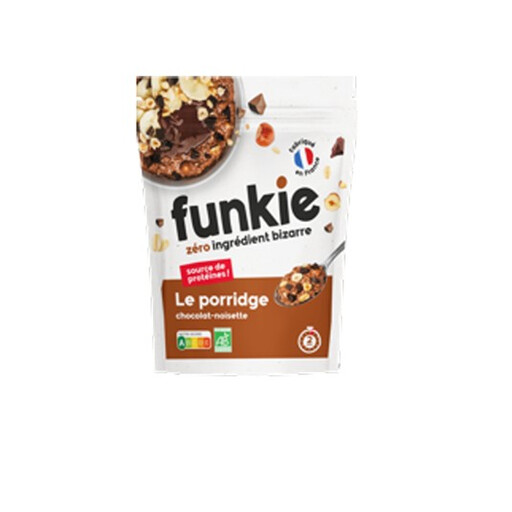 Image unavailable
This 280 g mix is for anyone who wants to make porridge using a ready-made chocolate and peanut recipe, rather than starting with plain oats. It contains peanuts, so check the label if you need to avoid certain ingredients. The listing recommends refrigerating it after opening.
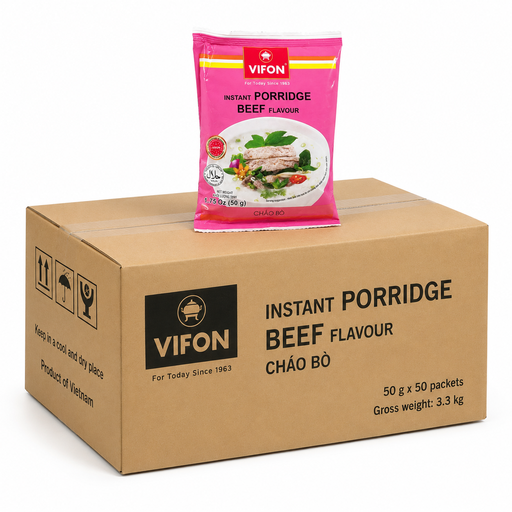 Image unavailable
This multipack of individual portions may suit anyone stocking up on meals that can be prepared with boiling water. It’s seasoned rice porridge, not oats for Easter recipes, and the 50 units are sachets, not tins. Check the packaging for allergen information.
No. The Quaker metal tin featured by Joybuy contains 500 g: the packaging material alone doesn’t tell you how much is inside. Check the net weight and number of units on the listing for the exact product.
Not for every use. The Yin Lu porridge described by Joybuy is ready to eat and contains water, sugar, coconut and other grains, among other ingredients. If an Easter recipe calls for dry oats, check that the product you buy is made from oats suitable for that recipe.
No. Look for an explicit ‘gluten-free’ label on the specific product and read its allergen information. In the European Union, Implementing Regulation (EU) No 828/2014 reserves this claim for foods containing no more than 20 mg/kg of gluten as sold to the final consumer.
Check the date on each pack and the accompanying storage instructions. The Ministry of the Economy distinguishes between a use-by date, which is a strict limit for the foods concerned, and a best-before date. Check which one appears on your product rather than trying to infer it from the packaging.
No. The Vifon multipack featured here contains 50 sachets of instant porridge, each weighing 50 g, and needs to be prepared with boiling water. If you want portions that are ready to eat, check the number of units, type of packaging and instructions.