Campers keeping an eye on salt
You want to compare the nutritional values of products rather than rely on a claim on the front of the pack. The DGCCRF says that the nutrition declaration on pre-packed foods includes the amount of salt.


When salt matters for your camping breakfast, start by comparing the ‘salt’ value per 100 g for the plain oats and porridges you’re considering. The words ‘reduced salt’ alone don’t tell you how much salt the product contains. Then check the ingredients and preparation instructions for your chosen product, especially if you’ll have limited water, fuel or time.
You want to compare the nutritional values of products rather than rely on a claim on the front of the pack. The DGCCRF says that the nutrition declaration on pre-packed foods includes the amount of salt.
Before packing porridge, you need to know whether you can prepare it with the liquid, container and time available. For example, the porridge recipe published by Lidl France uses milk and involves cooking; it doesn’t describe how every product should be prepared.
You compare recipes before planning your meals: the products described by Carrefour France range from single-ingredient oats to fruit porridges and blends made with several cereals.
First compare the salt content of products of the same type, then check that the recipe and preparation method suit your trip.
| Criteria | What to check | Who is it for? |
|---|---|---|
| Salt content | Compare the ‘salt’ value per 100 g in the nutrition information for similar products; don’t rely on a claim on the packaging instead. | If I want to keep track of the salt in my breakfast, I need the value for the specific product, not just the words ‘reduced salt’. Around 42% of consumers would put this comparison at the top of their list of concerns. |
| Preparation at the campsite | Check what liquid is needed, whether heating is required and how long your chosen product takes to prepare. | When hot water or fuel is limited, I need to be able to make my meal with the equipment I’ve packed. For around 33% of consumers, this compatibility would be the priority. |
| Ingredients and allergens | Read the ingredients list, highlighted allergens and any ‘may contain traces’ statements on the specific pack. | If I avoid certain ingredients, an oat porridge alone won’t tell me whether it contains other cereals or could include traces. This would be the main concern for around 25% of consumers. |
This comparative claim doesn’t tell you how much salt the porridge contains. The DGCCRF distinguishes between nutrition claims and the values shown in the nutrition declaration.
To compare two products, check the ‘salt’ value per 100 g on their packaging.
The Bjorg recipes described by Carrefour France include fruit or wheat and spelt, depending on the variety. A Carrefour Original oat product also states that it may contain traces of lupin and mustard.
Check the ingredients and allergen information for each variety, even within the same brand.
A pack that’s easy to carry doesn’t necessarily mean the meal will be easy to prepare at the campsite. A recipe published by Lidl France uses milk and involves cooking, but those instructions don’t apply to every porridge.
Check the instructions for your chosen product and try a portion with the equipment you plan to take before you set off.
A fruit porridge and a multi-cereal blend from the same brand may contain different ingredients.
When you buy, check the salt content, allergens, best-before date and storage instructions on the pack you’ve chosen.
Oats sold under the Carrefour Original brand.
Oats listed by E.Leclerc in 500 g and 1 kg packs.
A range that includes plain oats and porridges with different recipes.
Oats featured among the products listed by Carrefour France.
This selection includes plain oats, oat groats and a porridge with flaxseed and cocoa. For camping, first choose based on the ingredients you want, then check the salt content and preparation instructions on the pack you buy.
 Image unavailable
Worth considering if you’d rather make your porridge with oats than use a flavoured mix. The pack contains 500 g; check its ‘salt’ value, allergen information and preparation time to make sure it suits your equipment.
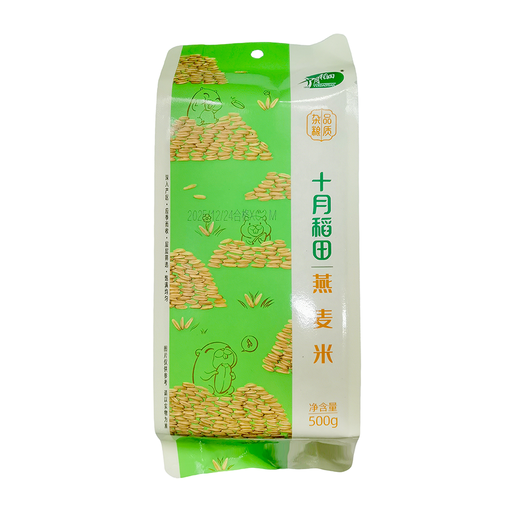 Image unavailable
Consider these if you’d rather start with oat groats than rolled oats. This 500 g pack needs particular attention to the cooking instructions: make sure you have enough time, water and fuel.
 Image unavailable
Compare it with plain oats if you’d prefer to pack a ready-flavoured mix. The pack contains 245 g; check the ‘salt’ value, full ingredients list and preparation method before taking this porridge camping.
 Image unavailable
Worth considering if you’d like to make your own porridge with oats. The pack size is 500 g; compare the salt content per 100 g and check the preparation instructions and allergen information on the pack.
 Image unavailable
Another oat product to consider if you’re putting together your breakfast at the campsite. The pack contains 500 g; to compare its salt content accurately with other options, check the value per 100 g on the packaging.
Read the ‘salt’ value per 100 g for each product, using the same basis for comparison. The DGCCRF says that salt is one of the values included in the nutrition declaration for pre-packed foods.
No. This comparative claim doesn’t tell you the product’s absolute salt content on its own. The DGCCRF regulates nutrition claims, so check the ‘salt’ value in the nutrition information for the specific product as well.
No. Carrefour France describes, among other products, a Bjorg porridge combining oats, wheat and spelt, and a Carrefour Original oat product that may contain traces of lupin and mustard. Read the ingredients and allergen information on the pack you choose.
Check how much liquid you need, whether you’ll need to heat it, and which container and preparation time are specified for your product. Before dividing it into portions for your trip, also check the best-before date and storage instructions on the packaging.