
Same-day & Next-day Delivery

Quality Guaranteed

Unlock Your Welcome Offers: FREE Delivery | Up to 80% OFF | Free 30-day JoyPlus trial
Download the APP
Whether it's made from oats, rice, or a blend of grains, porridge has become an essential meal solution. Convenient, comforting, and versatile, it comes in countless varieties. But be warned: faced with promising packaging and express mixes, it's easy to make a mistake. Some products, despite their healthy appearance, are packed with added sugars, while "instant" versions often disappoint with their lack of texture and nutritional value. This guide is here to help you navigate the options and make the right choice.
Before you fill your basket, keep an eye on these key points that can make the difference between a pleasant surprise and a disappointment.
To ensure you make the right choice, focus on these three key criteria.
The order of ingredients is crucial: it indicates their proportion in the product. For a quality porridge, cereals (oat flakes, rice, buckwheat, etc.) should be at the top of the list. Avoid lists where sugar or glucose syrup dominate the top spots. Opt for short, clear lists, which are often a sign of a more natural product. For a baby porridge, the composition must be impeccable: simple, with no added salt or sugar, and of course, appropriate for the child's age.
Your choice will depend on the time you are willing or able to spend:
What time of day is it for? Are you looking for a quick breakfast, a comforting snack, or a light meal?
Here are a few products we've selected for their ability to meet specific needs and lifestyles.
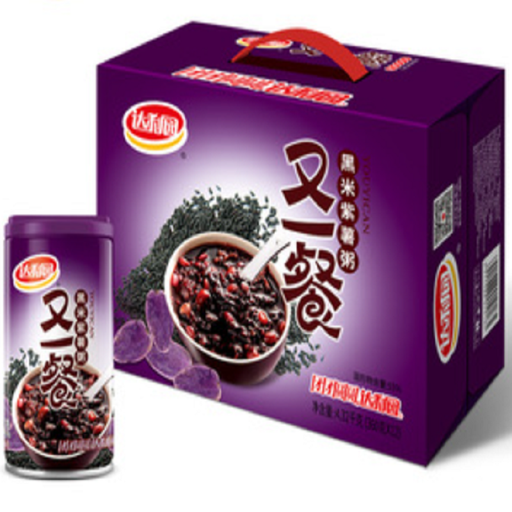
Why we chose it: Perfect for those who want an authentic congee experience without the hassle. This ready-to-eat porridge combines the sweetness of purple sweet potato with the rich texture of a 12-grain and seed blend. The result is a comforting meal that can be enjoyed hot or cold.
It sidesteps the trap of disappointing "exotic" flavours by relying on a balanced and popular recipe. The sweetness comes naturally from the ingredients (like sweet potato), not from an excess of artificial flavourings.
Ready-to-eat and packed with a variety of grains (black rice, buckwheat, oats, etc.), it offers a complex texture and great consistency.
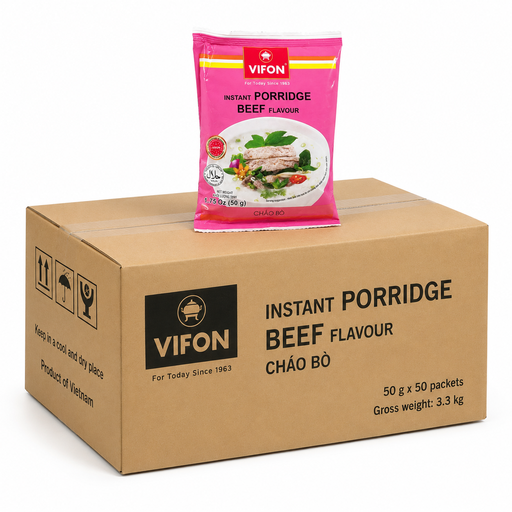
Why we chose it: For anyone who needs a hot, flavourful meal in record time. This savoury, Vietnamese-inspired porridge is ready in just 3 minutes with boiling water. It's an excellent alternative to the classic sandwich for a quick lunch at the office or a light dinner.
It avoids the common issue of instant porridges that lack substance. Its base is 100% rice, which guarantees a genuine porridge texture, not just a flavoured starch powder.
Ultra-fast preparation (3 minutes is all it takes) and a rich, savoury flavour profile typical of Vietnamese cuisine.
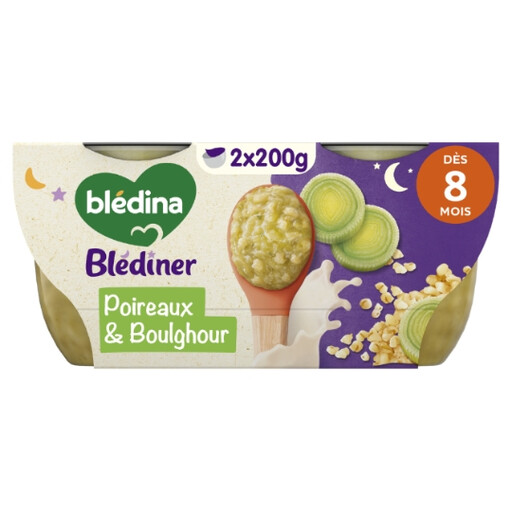
Why we chose it: Specially designed for a baby's evening meal from 8 months, this complete savoury dish is as convenient as it is reliable. It combines vegetables (leeks, peas, parsnips) with bulgur in a creamy milk-based sauce.
It avoids the trap of hidden sugars, which are all too common in baby food. The recipe is savoury, guaranteed with no added sugars, and focuses on vegetables and grains for a balanced dinner.
A complete, ready-to-eat recipe tailored to the nutritional needs of babies 8 months and older, from a trusted brand.
We've put together a complete and up-to-date selection of products that meet our selection criteria and current regulations.
1. What's the difference between porridge, congee, and rice porridge? The term porridge is an umbrella term for a gruel made of cereal cooked in a liquid (water, milk, etc.). Oatmeal porridge, often sweet and eaten for breakfast, is the most well-known type in Europe. Congee, or Asian rice porridge, is made from rice that is simmered for a very long time until it breaks down. It has a very creamy texture and is almost always served as a savoury dish (savoury porridge), garnished with meat, fish, or condiments.
2. Can you make instant porridge with milk? Yes, absolutely. Most instant porridges can be prepared with milk (dairy or plant-based) instead of water to achieve a creamier texture and richer taste. Simply heat the milk before pouring it over the powder or flakes, following the package instructions.
3. How do I choose a porridge for my baby? For a baby porridge, safety and age-appropriateness are the top priorities. Always check that the product is suitable for your child's age group (from 4, 6, or 8 months). The ingredient list should be as short and simple as possible, and it must be free from added salt and sugar. To start weaning, opt for single grains (rice, corn) before introducing more complex blends. Organic options are also an excellent choice to limit exposure to pesticides.