
Livraison le jour même ou le lendemain

Qualité garantie

Débloquez vos offres de bienvenue: Livraison GRATUITE | Jusqu'à -80 % | 30 jours d'essai gratuits à JoyPlus
Téléchargez l'application
Mastering tender, perfectly caramelised pork ribs at home can be a challenge. The secret? It often lies in the sauce—the one that marinates the meat to make it tender, then glazes it to create that glossy, delicious finish. But faced with a jungle of options on store shelves, it's hard to know where to start. Should you go for a Korean, Chinese, or a more classic barbecue flavour?
At Joybuy, my role is to unearth the game-changing gems for your kitchen. The goal of this guide is simple: to present a selection of ready-to-use sauces that will take your dishes to the next level. We'll break down the different styles and ingredients to help you choose the pork rib sauce that will elevate your recipes.
Before diving into our selection, here are a few key points to guide you.
The term "Asian pork sauce" actually covers a wide range of distinct flavours. It all depends on the result you're looking for.
A good pork rib marinade does more than just add flavour: it must penetrate the meat deeply. Check the ingredient list. The presence of fruit (pear, pineapple), rice wine, or vinegar is an excellent indicator, as these are natural tenderising agents. A quality sauce balances sugar, salt, and acidity for a harmonious result, without relying solely on glucose syrups or artificial flavour enhancers.
A rib sauce is often far more versatile than you might think. Some formulas are excellent for marinating pork chops, chicken wings, or even for glazing roasted vegetables or tofu. A versatile sauce is a real asset in your pantry, perfect for exploring a multitude of recipes with a single product.
Here are three products we've selected, each with its own unique character, to help you prepare authentic and flavourful dishes at home.
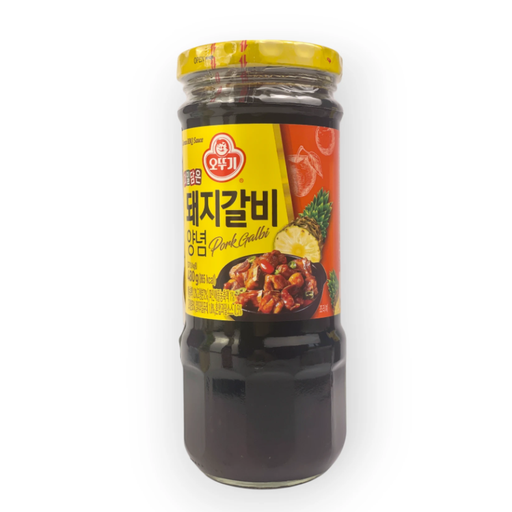
Why it stands out: This sauce is the epitome of Korean barbecue. Its special feature? The use of pear and pineapple juice concentrate. These fruits don't just sweeten the marinade; their natural enzymes work to tenderise the meat, making it exceptionally juicy after cooking. The base of soy sauce, garlic, onion, and rice wine provides a remarkable umami depth.
Benefits:
Who is it for? For lovers of Korean cuisine who want to recreate the authentic taste of Galbi (grilled ribs) at home, with a sauce that enhances both the texture and flavour of the meat.
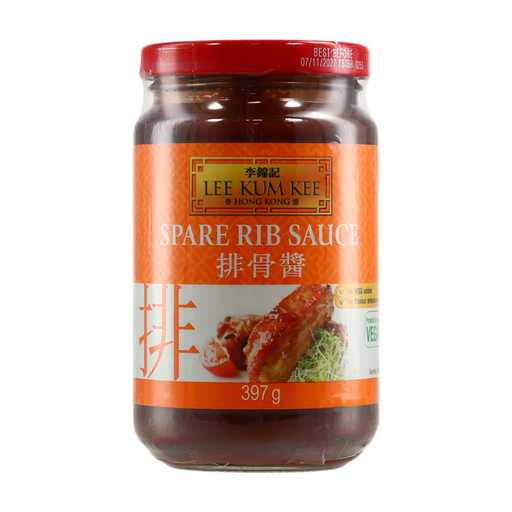
Why it stands out: Lee Kum Kee is a benchmark brand for authentic Chinese flavours. This rib sauce is designed to achieve that famous sweet, savoury, and slightly sticky glaze typical of Chinese-style pork ribs. Its composition, based on soy sauce, garlic, and sesame, offers a classic and incredibly effective flavour profile.
Benefits:
Who is it for? For those who want to prepare glazed pork ribs in the purest Chinese style, with a convenient sauce that guarantees a flavour-rich result and a beautiful caramelised coating.
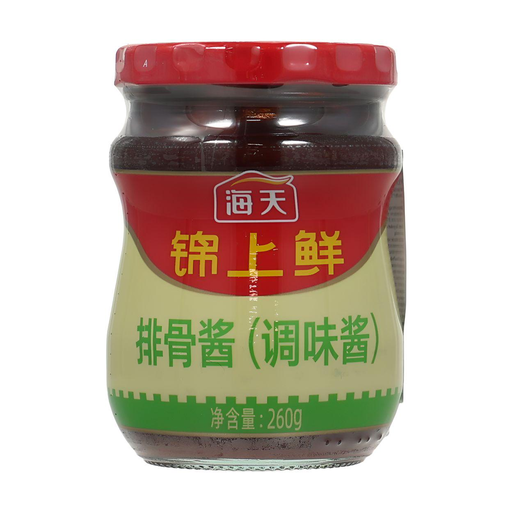
Why it stands out: The Haday sauce focuses on simplicity and efficiency. Ready to use, it's designed for those who want a flavourful meal without spending hours in the kitchen. Its base of fermented soybean paste and dehydrated garlic gives it a deep umami taste and an ideal texture for coating meat.
Benefits:
Who is it for? Ideal for busy cooks who refuse to compromise on taste. It's the perfect solution for a weeknight meal or an impromptu barbecue, delivering restaurant-quality results with minimal effort.
Curious to discover other flavours for pork? Spicy marinades, roast sauces, or other regional variations... feel free to explore our full catalogue.
? For more options, discover our complete range of pork seasonings.
1. What's the difference between a marinade and a glazing sauce?
A marinade is a liquid in which raw meat is soaked before cooking. Its purpose is to tenderise the meat and infuse it with flavour. A glazing sauce is applied during the final minutes of cooking. Rich in sugar, it caramelises under the heat to form a shiny, flavourful crust. The good news is that many ready-to-use sauces, like those in our selection, perfectly perform this dual role.
2. How long should you marinate pork ribs?
The time depends on the sauce and the thickness of the meat. For a sauce containing tenderising agents like fruit enzymes (such as Ottogi's), a few hours (2 to 4) is sufficient. For more traditional marinades, an overnight stay in the refrigerator is often recommended for maximum flavour. If you're in a hurry, 30 minutes will be enough to impart a noticeable taste, as with the Haday sauce.
3. Can you use a pork rib sauce on other meats?
Absolutely! Most of these sauces are incredibly versatile. They are excellent with pork chops, chicken wings or drumsticks, and even meatballs. The sweet-and-savoury flavours also pair very well with duck or for glazing a salmon fillet in the oven. Don't hesitate to experiment.