
Livraison le jour même ou le lendemain

Qualité garantie

Débloquez vos offres de bienvenue: Livraison GRATUITE | Jusqu'à -80 % | 30 jours d'essai gratuits à JoyPlus
Téléchargez l'application
Visible pores, a shiny T-zone, blackheads or uneven texture: pore-minimising facial care can address several concerns. However, not all products are used in the same way. A concentrated serum, mattifying cream and purifying pore mask have different application frequencies and aims.
Before making a purchase, it is better to look beyond claims of “tightened pores”. Check the ingredients, the targeted skin type and the usage precautions. Here are the main pitfalls to avoid, along with a selection of products suited to different needs.
Pore size cannot be permanently eliminated with a cream or serum. However, some products can make skin texture look more even, particularly by limiting the build-up of sebum and dead skin cells. So be wary of overly categorical claims: look instead at the ingredients, how the product is used and whether it is compatible with your skin.
Salicylic acid, AHAs, PHAs and certain vitamin C derivatives can all have a place in a routine targeting blemishes. Using them all every day, however, may cause tightness, redness and discomfort. A pore-minimising serum should not automatically be combined with a facial exfoliant and acid pads on the same evening.
Oily or combination skin also needs moisture. An overly stripping routine can worsen dryness and, in response, increase sebum production. Exfoliating acids and certain products containing vitamin C also require suitable sun protection in the morning, in line with the precautions stated on the packaging.
When choosing a product for enlarged pores, look for a clear formula suited to your skin’s tolerance:
Concentration alone is not enough to predict how well a product will be tolerated. If your skin reacts easily, pay particular attention to the presence of denatured alcohol, fragrance or essential oils.
A lightweight pore-minimising serum is generally suitable for combination to oily skin that does not tolerate heavy textures well. A fluid cream may be more practical in the morning, particularly under make-up. Rinse-off masks are usually used once or twice a week, while exfoliating lotions and pads should be applied according to the manufacturer’s instructions.
Before buying, check the INCI list, volume, minimum durability date or period after opening, as well as the manufacturer’s or responsible person’s contact details in the European Union, where provided. The packaging remains the reference point, as ingredient lists may change. A patch test on a small area is recommended before the first application, particularly with acids, retinol, essential oils or highly concentrated formulas.
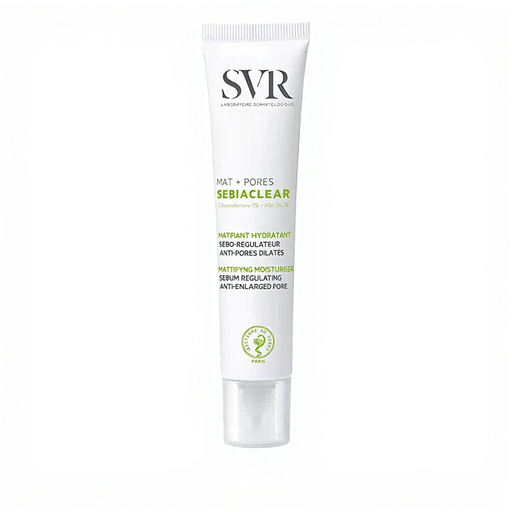
Why this choice suits this profile : this 40 ml fluid cream combines niacinamide, gluconolactone and salicylic acid in a daily product designed for combination to oily skin.
It avoids piling on products from the outset: it combines moisturisation, a mattifying finish and actives targeting the appearance of pores in one product.
Fluid texture, mattifying finish and an indication for combination to oily skin, including sensitive skin according to the product details.
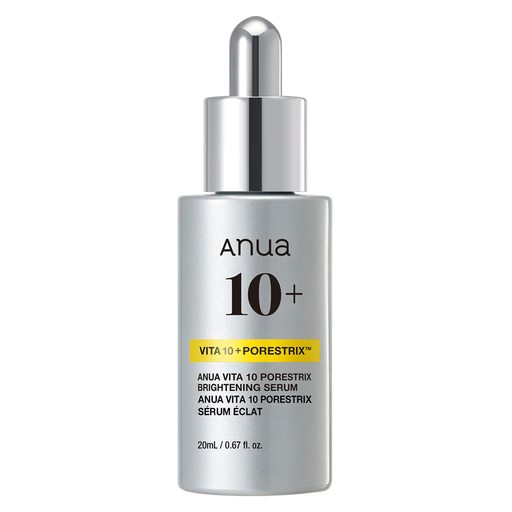
Why this choice suits this profile : this Korean serum is designed for people who want to improve the appearance of pores while focusing on a routine dedicated to a brighter-looking complexion.
The formula specifies several forms of vitamin C rather than relying on a vague promise of radiance.
5 % L-ascorbic acid, several vitamin C derivatives, niacinamide and a lightweight, fast-absorbing texture.
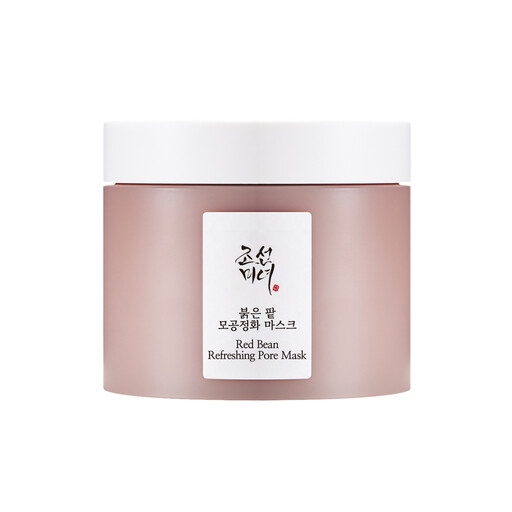
Why this choice suits this profile : this rinse-off mask fits easily into a routine once or twice a week when the T-zone feels congested or particularly shiny.
It avoids over-exfoliating: rinse off the mask after 5 to 10 minutes, and do not use it as a replacement for daily skincare.
Kaolin clay, hectorite, glycerine and red bean extract in a moisturising mud-like texture.
To get started, combine a gentle cleanser, a pore-minimising or anti-blemish serum, then a lightweight cream. Introduce exfoliants every other evening and avoid combining several acids. You can reserve the purifying mask for the T-zone, using it once or twice a week.
In the morning, remember to apply sun protection. In the evening, observe how your skin reacts for a few days before increasing the frequency. If redness, a burning sensation or irritation persists, stop using the product and seek advice from a healthcare professional.
A serum containing niacinamide or a salicylic acid exfoliant can be incorporated into an oily-skin routine, provided you respect your skin’s tolerance. A fluid, non-greasy cream helps maintain skin comfort without layering too many products.
No. Clay, charcoal and absorbent powder masks are generally designed for weekly use. Applying them too often can increase dryness and discomfort, particularly on the cheeks.
Consistency matters more than excessive application. Use the product according to its instructions, monitor changes in texture and shine, then review your routine after several weeks. Visible results may vary depending on your skin type, the season, the climate and the other products you use.