Active parents who keep an eye on protein
You’re looking for a snack whose protein content you can check, rather than simply a product made from corn. The label on the product you choose matters more than where it’s stocked in a sports section.


If you’re mainly looking for a protein boost around your workout, don’t choose ordinary popcorn based on its name alone. Check the nutrition information for the exact product, or consider a snack from another category. If popcorn is what you fancy, plain kernels let you choose the seasoning, while a ready-to-eat bag saves you the preparation. Neither format, on its own, proves that the product is high in protein.
You’re looking for a snack whose protein content you can check, rather than simply a product made from corn. The label on the product you choose matters more than where it’s stocked in a sports section.
You want to keep preparation to a minimum with ready-to-eat or microwave popcorn. Carrefour and Auchan stock these formats, but the format alone doesn’t tell you how much protein they contain.
With popping kernels, you can choose what to add and how much to make. It’s still important to check the ingredients and allergen information on the specific pack.
First decide whether your priority is protein, saving time or having control over the recipe. Each calls for different checks.
| What matters | What to check | Who is it for? |
|---|---|---|
| Protein content | Any protein claim and the nutrition information for the exact product, particularly per serving. | When I want a snack to contribute to my intake around exercise, I want to know what my chosen portion actually contains. Around 42% of consumers put checking protein content first. |
| Preparation time | Whether it’s ready to eat or microwaveable, and how it should be prepared. | Between shopping and life with a newborn, I may prefer a snack that takes little preparation. For around 33% of consumers, saving time is the main priority. |
| Ingredients | The ingredients list and allergen information on each pack. With plain kernels, you can choose what to add. | If I’m making enough to share, I prefer to choose the seasoning and check the warnings on the product I buy. Around 25% of consumers prioritise having control over the recipe. |
The EU regulation set out by EUR-Lex only permits this claim for foods where at least 20% of the energy value comes from protein. The word “popcorn” doesn’t tell you whether a product meets this requirement.
Before choosing a product for its protein content, check the claim and nutrition information for that specific product.
Ready-to-eat or microwave popcorn can save time, but that doesn’t necessarily mean it meets your nutritional requirements.
If protein is your reason for buying it, check the protein content first, then choose your preferred flavour and preparation method.
Auchan’s popcorn kernel product information mentions possible traces of tree nuts, peanuts, sesame and cereals containing gluten. This warning applies to that product, not all popping kernels.
Check the allergen information on every pack and variant you buy.
These retailers offer different popcorn formats, or you can look separately for a protein-focused snack. Their ranges are no substitute for checking the label of the product you choose.
Compare popping kernels, ready-to-eat popcorn and microwave versions.
Compare popping kernels and popcorn in different flavours or formats.
Explore salted and flavoured popcorn.
Explore sweet and salted Sun Snacks popcorn.
Distinguish between fancying popcorn and looking for a protein-focused product from another category.
These bars are alternatives to explore if protein matters more to you than popcorn. They aren’t popcorn, so compare the nutrition information and ingredients for each variant before choosing.
 Image unavailable
An individual bar to consider if you want a no-prep snack rather than popcorn. Check the nutrition information and allergen details for this variant on the pack.
 Image unavailable
A multipack to compare if you’re looking for individual, no-prep snacks outside the popcorn category. Product descriptions give different protein amounts per bar, so check the packaging before deciding.
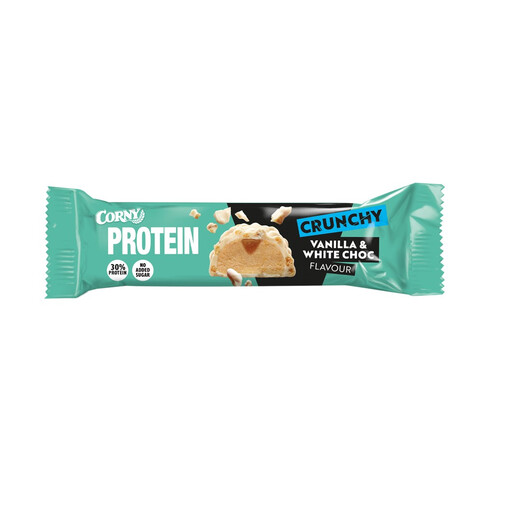 Image unavailable
An individual bar to consider if an easy-to-carry snack matters more than choosing popcorn. Check the nutrition information, ingredients and allergen details for this flavour on the pack.
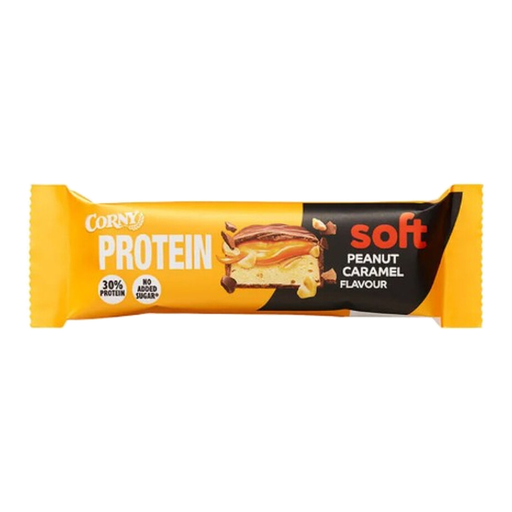 Image unavailable
Another individually wrapped flavour to consider if you’d prefer a ready-to-eat bar to popcorn. Don’t rely on the nutrition information or allergen details for the vanilla version: check this pack instead.
In the European Union, the regulation set out by EUR-Lex requires at least 20% of a food’s energy value to come from protein for it to carry this claim. Check the label and nutrition information for the specific product: the corn used doesn’t, by itself, prove that it meets this requirement.
Don’t assume that ordinary popcorn will. If protein is your main priority, check the label on the exact popcorn product or compare a snack from another category. If popcorn is what you want, consider it separately from the rest of your meal or snack.
Check the ingredients and any “may contain” information for each product and flavour. Auchan’s popcorn kernel product information mentions possible traces of tree nuts, peanuts, sesame and cereals containing gluten. This list doesn’t apply to all popcorn products.
Popcorn isn’t suitable for babies aged 0 to 4 months: according to Manger Bouger, their diet consists mainly of milk. Assurance Maladie recommends starting to introduce solid foods to a healthy infant after they have completed 4 months, and no later than 6 months. This general guidance doesn’t specify an age for introducing popcorn.