
Livraison le jour même ou le lendemain

Qualité garantie

Débloquez vos offres de bienvenue: Livraison GRATUITE | Jusqu'à -80 % | 30 jours d'essai gratuits à JoyPlus
Téléchargez l'application
Whether you're tearing down MTB trails or logging miles on the tarmac, good visibility is crucial for your safety and performance. A single sunbeam reflecting off a wet road or a car windshield can turn a pleasant ride into a frustrating, or even dangerous, situation. This is precisely where polarized cycling glasses come into play. But with a market flooded with models, it's easy to fall into a trap.
As the Head of Product Recommendations at Joybuy, my mission is to help you see things more clearly. Let's review the mistakes to avoid and the essential criteria for making an informed, confident choice.
The 3 Pitfalls to Avoid When Buying Sports Glasses:
To make the right choice, focus on a few objective technical features. These are what reveal the true quality of a pair of glasses and their suitability for your discipline.
Polarization isn't just a marketing gimmick. A polarized lens incorporates a chemical filter that blocks horizontally reflected light—the very light responsible for glare.
Quality anti-glare lenses, often made from TAC (Triacetate Cellulose), provide superior optical clarity and formidable reflection filtering.
The UV400 protection standard is non-negotiable: it guarantees that the lenses block 100% of harmful ultraviolet rays (UVA and UVB). This is a fundamental safety criterion for preserving your eye health during long rides, whether the sun is beating down or the sky is overcast. Don't even consider buying a pair of sports sunglasses that doesn't explicitly display this certification.
The frame material has a direct impact on the comfort and lifespan of your glasses. The ultra-light TR90 frame has become the gold standard in the sports world, and for good reason:
To help you visualize how these criteria apply, here are a few options tailored to different cyclist profiles.
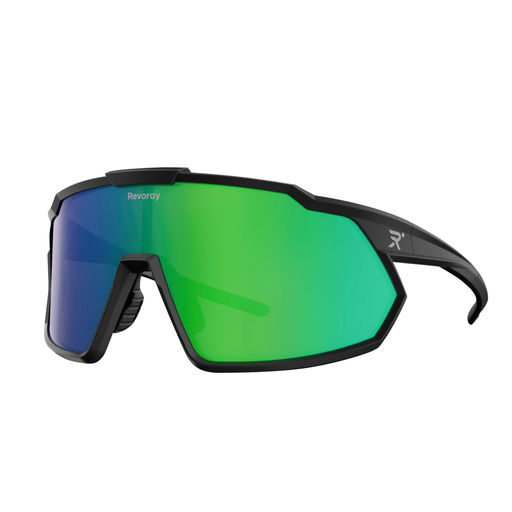
Why It's a Match: Ideal for road cyclists and MTB riders who demand uncompromising visual clarity. The TAC polarization eliminates glare for a perfect read of the terrain, while the feather-light frame and adjustable nose pads ensure a flawless fit, even in the heat of the moment.
This model features true HD TAC polarization, not just a simple tint. Its frame is made of durable, ultra-light TR90, and it is ANSI Z87.1 certified for impact resistance.
TAC polarized lenses for maximum clarity; full UV400 protection; anti-slip, adjustable nose pads and temples.
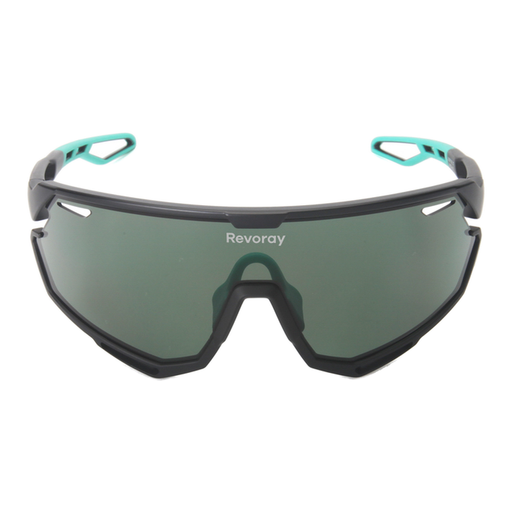
Why It's a Match: Perfect for the road bike cyclist who prioritizes aerodynamics and low weight. Their streamlined, wraparound design cuts through the air, while the single-piece lens offers a panoramic, unobstructed field of view—a crucial advantage at high speeds.
Although not polarized, this model makes no compromises on safety: it features an impact-resistant polycarbonate (PC) lens and full UV400 protection. This avoids the trap of "stylish" but fragile glasses with no real protection.
Aerodynamic design for high-speed performance; TR90 frame weighing just 30g; single-piece PC lens for an extra-wide field of view.
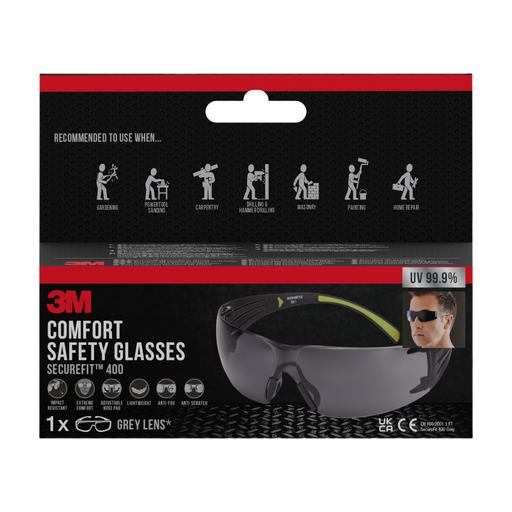
Why It's a Match: For those seeking a reliable pair for occasional bike rides, but also for gardening or DIY projects. Their comfort, feather-light weight (19g!), and compliance with European safety standards (EN 166:2001) make them an ultra-versatile and reassuring choice.
This isn't a fashion accessory, but certified Personal Protective Equipment (PPE). It guarantees audited impact resistance and UV protection (99.9%), a far cry from the vague promises of no-name glasses.
Record-breaking weight (19g); compliance with EN 166:2001 safety standard; tinted lenses with anti-scratch coating and UV protection.
Explore our full selection of products that meet these quality criteria and current safety standards.
1. What's the difference between polarized and simple tinted lenses? A tinted lens simply reduces the amount of light reaching your eye, much like turning down the brightness on a screen. A polarized lens, however, incorporates a filter that specifically neutralizes blinding horizontal glare, like that from water or the road. The result: a sharper view, more accurate colors, and unparalleled visual comfort.
2. Is UV400 protection really necessary for cycling glasses? Absolutely. Prolonged exposure to UV rays without adequate protection can cause irreversible eye damage. The UV400 standard guarantees a near-total blockage of UVA and UVB rays. It is a non-negotiable safety criterion for any outdoor gear, and especially for sports sunglasses.
3. How should I maintain my cycling glasses to make them last? After each ride, rinse them with clean water to remove sweat and dust. Dry them gently with the provided microfiber cloth, without rubbing. Most importantly, never use alcohol-based products or harsh cleaners, which could damage the lens coatings. And when you're not wearing them, the golden rule is to always store them in their case to protect them from scratches and impacts.