
Livraison le jour même ou le lendemain

Qualité garantie

Débloquez vos offres de bienvenue: Livraison GRATUITE | Jusqu'à -80 % | 30 jours d'essai gratuits à JoyPlus
Téléchargez l'application
A pair of polarised sports sunglasses isn't just about reducing brightness. Whether you're cycling, hiking, fishing or driving, they need to stay firmly in place, offer clear vision and withstand repeated use. Yet choosing the right pair isn't always straightforward, given the different technologies and manufacturers' claims.
The UV400 label indicates claimed protection against ultraviolet rays up to 400 nm. Polarisation, on the other hand, mainly reduces glare reflected from roads, water, sand or metal surfaces. These two features serve different needs.
Sunglasses can be tinted without being polarised. Conversely, polarised lenses don't mean you can skip checking the UV protection claimed by the manufacturer.
A frame that slips down your nose or presses on your ears quickly becomes uncomfortable on a bike ride. Cycling sunglasses need to stay put despite head movements, vibrations and sweat. Adjustable nose pads, non-slip temple arms and a wraparound design are all features worth checking before you buy.
A lightweight frame isn't necessarily suitable for every face shape. Similarly, a dark tint can significantly reduce visible light, which isn't always practical in overcast conditions or on wooded trails. For routes that alternate between sun and shade, photochromic sunglasses offer more flexibility. Interchangeable lenses, meanwhile, let you adapt the tint to the conditions.
Look for a clear indication of UV400 protection, plus the word "polarised" if reducing glare is a priority. When fishing, boating or near water, polarisation can improve visual comfort against reflective surfaces. It can also be useful with sports sunglasses for driving, especially on wet or highly exposed roads.
Polarisation does not turn a pair of sunglasses into industrial protective equipment. The products featured here are not designed for direct sun observation, welding or protection from specific occupational hazards.
TR90 is commonly used for sports sunglasses because of its claimed low weight and flexibility. However, this material alone doesn't guarantee a good fit. You should also check:
A frame weighing 25 to 33 g can be comfortable for extended wear, but comfort also depends on weight distribution and your face shape.
Vented lenses can help reduce fogging during intense activity. This feature is particularly useful for anti-fog sunglasses designed for cycling or running. However, it doesn't eliminate all condensation risks – temperature, humidity, speed and fit all play a part.
When the product listing mentions visible light transmission, this figure helps you compare intended uses. A rate of 12 to 17% typically corresponds to lenses for very bright conditions. Clear or replacement lenses are better suited to cloudy or low-light settings. A very dark tint should not be used for night driving.
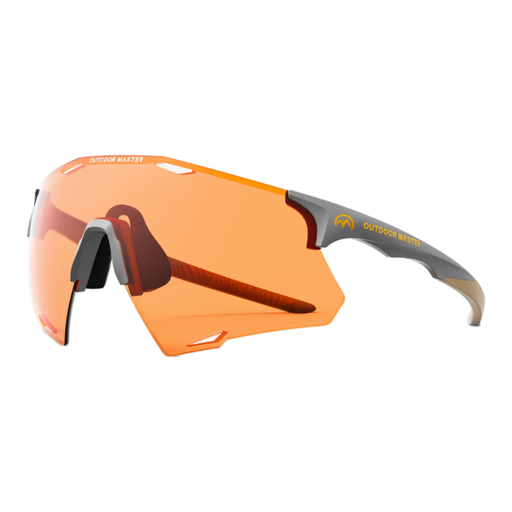
Why this suits your profile: This pair brings together the features you need to start cycling or enjoying the outdoors: polarised lenses, claimed UV400 protection, adjustable nose pads and a stated weight of 25.5 g.
The vented lenses and nose adjustment address common issues with fogging and slipping during rides.
TR90 frame, impact-resistant polycarbonate lenses as per the listing, a claimed 20% wider peripheral field of vision and a carry case included.
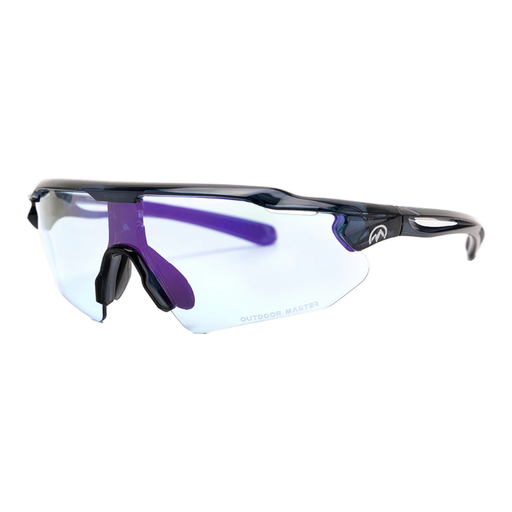
Why this suits your profile: Regular cyclists who move from open roads to shaded areas will appreciate the combination of photochromic and polarised lenses.
The claimed tint change according to light intensity means you don't have to switch glasses between different outdoor conditions.
TR90 frame, claimed weight of 26 to 29 g, adjustable nose pads, polycarbonate lenses and UV400 protection as stated by the manufacturer.
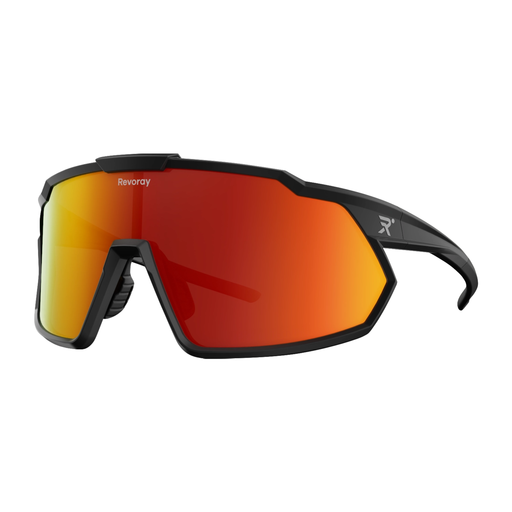
Why this suits your profile: This model is designed for road cycling, mountain biking and extended activities, with a claimed light transmission of around 15.2% and treatments intended to simplify maintenance.
The silicone nose pads and temple arms, claimed to be non-slip, reduce the risk of movement on rough terrain.
Claimed weight of around 33 g, TR90 frame, polarised TAC lenses, water-repellent coating and a one-year limited warranty as stated on the listing.
We've curated a full, real-time updated list of products that meet these demanding selection criteria and European safety regulations.
The lifespan of your sunglasses depends mainly on scratches, heat and stress on the frame. To keep your cycling sunglasses in good condition:
Foldable sunglasses are handy for travel, but always follow the intended folding direction to avoid putting unnecessary strain on the hinges.
They can reduce glare from the road and shiny surfaces during the day. However, check the tint and light transmission. A lens that is too dark is not suitable for night driving or low-light conditions.
No. Polarisation reduces certain glare, while photochromism changes the lens tint according to the claimed light level. A single pair can combine both technologies, as some photochromic sunglasses designed for cycling do.
There is no ideal weight that works for everyone. A pair weighing around 25 to 33 g can help reduce the feeling of heaviness, but the fit at the nose, temple arm length and compatibility with your helmet matter just as much.