
Livraison le jour même ou le lendemain

Qualité garantie

Débloquez vos offres de bienvenue: Livraison GRATUITE | Jusqu'à -80 % | 30 jours d'essai gratuits à JoyPlus
Téléchargez l'application
Whether you’re cycling, hiking, fishing or driving, polarised sports sunglasses need to meet several demands at once: reduce glare, filter ultraviolet rays, stay securely in place and withstand regular use. However, some marketing claims deserve closer examination.
A polarising filter mainly reduces reflections bounced off horizontal surfaces, such as roads, water or a car’s bodywork. It does not replace an ultraviolet filter in any way.
For outdoor use, look for an explicit mention of UV400 protection and check the compliance information, along with the filter category stated on the product page.
An attractive frame quickly becomes uncomfortable if it slips at the slightest effort. For cycling glasses and sunglasses designed for cycling, adjustable nose pads, non-slip arms and a wraparound shape matter more than looks.
A frame that is too wide can also let light in from the sides, reducing both comfort and the effectiveness of the filter.
A dark tint is not necessarily the best option. Visible light transmission, usually expressed as VLT, provides a better understanding of how the lens performs.
A low VLT is more suitable for very bright conditions, while a lighter lens may be more comfortable in overcast weather. For night-time driving, dark or polarised sunglasses are generally not suitable.
According to information provided by manufacturers, UV400 sunglasses are designed to filter UVA and UVB rays up to 400 nm. This indication should be accompanied by clearly legible markings and compliance information.
Polarisation serves a different purpose: it reduces certain reflections and can improve visual comfort when facing a wet road, a body of water or a pane of glass.
For anglers, golfers and drivers, anti-glare sunglasses can therefore be an appealing choice, provided they maintain sufficiently bright vision without distortion.
TR90 is a lightweight, flexible material found on many sports sunglasses. It can improve comfort and stability, but the mention of “TR90” alone is not enough to assess the overall quality of the frame.
Polycarbonate lenses are common in impact-resistant sunglasses designed for sports activities. Some product pages mention impact resistance or a specific certification, such as ANSI Z87.1. However, this reference does not mean that the sunglasses can replace industrial protection or specialised safety eyewear.
Nylon lenses also focus on light weight and clarity. In all cases, check that the product comes with a case, a suitable cleaning cloth and care instructions.
For a bike ride, a wraparound shape and good ventilation around the lenses can help limit fogging. Adjustable nose pads allow you to adapt the bridge to your nose, while flexible arms or arms with silicone reinforcements help keep the sunglasses securely in place.
Photochromic sunglasses adjust their tint according to the light intensity specified by the manufacturer. They can be practical on routes alternating between woodland and open areas. However, check the conditions of use and make sure their level of darkening remains suitable for driving.
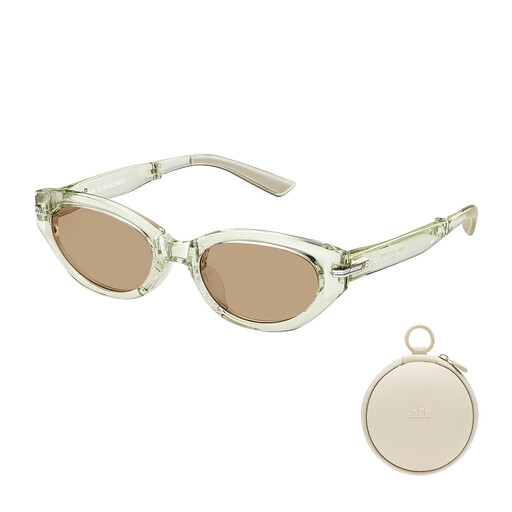
Why this choice suits this profile : its compact design is well suited to everyday use, commuting and occasional outdoor trips.
The foldable frame is easy to store, while the air-cushion nose pads are designed to help prevent slipping. The product page mentions UV400 protection and OAR anti-reflective treatment.
TR90 frame, nylon lenses, flexible hinges and space-saving storage.
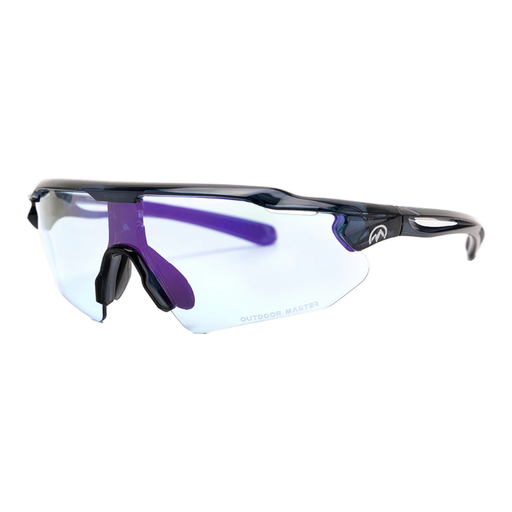
Why this choice suits this profile : this model is designed for cyclists moving between direct sunlight and shaded sections.
The stated combination of photochromic technology and polarisation addresses two distinct needs. Adjustable nose pads allow you to fit the sunglasses correctly, rather than relying solely on their wraparound shape.
TR90 frame, polycarbonate lenses, stated UV400 protection and a weight of between 26 and 29 g, depending on the version.
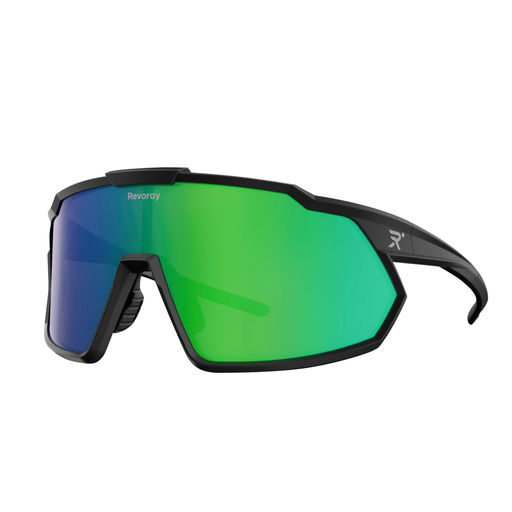
Why this choice suits this profile : its design is aimed at regular road rides, mountain biking and a range of outdoor activities.
The product page states a light transmission of approximately 15.2%, stated UV400 protection and an ANSI Z87.1 reference for impact resistance. This information helps clarify the intended use of the model.
Stated weight of approximately 33 g, TR90 frame, adjustable silicone nose pads and water- and oil-repellent coating.
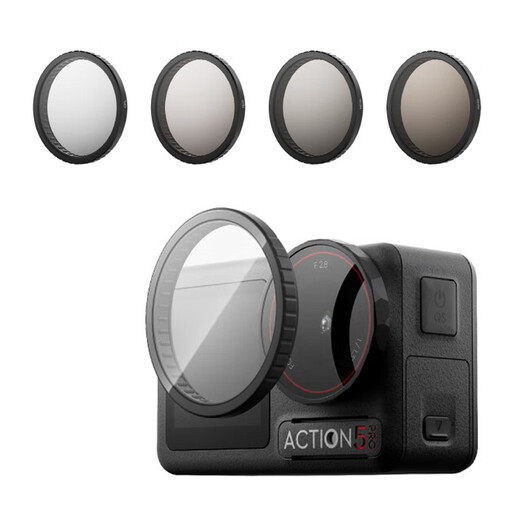
Why this choice suits this profile : this kit supports filming while hiking, cycling or by the water with a compatible DJI Action camera.
The CPL filter helps reduce certain reflections on water, glass and non-metallic surfaces. ND filters reduce the amount of light entering the lens and should be selected according to the ambient brightness.
Four-filter kit, multi-coated optical glass and stated compatibility with DJI Action 3, 4 and 5PRO.
We’ve put together a complete selection, updated in real time, of products that meet these demanding criteria and European safety standards.
The lifespan of a pair mainly depends on its exposure to scratches, heat and mechanical stress. If the lenses are covered in dust, rinse them with clean water before wiping them with a microfibre cloth. Avoid kitchen roll, abrasive products and alcohol unless the care instructions explicitly permit them.
Store the sunglasses in their case and avoid leaving them in a car in direct sunlight. Replace them if a lens is scratched enough to interfere with your vision or if the frame no longer fits securely.
With a foldable model, open and close the arms along their axis to help protect the hinges.
They can reduce road reflections and improve visual comfort in daylight. However, check the tint, light transmission and conditions of use specified by the manufacturer. Dark sunglasses are not suitable for night-time driving.
Polarisation affects certain reflections, while photochromic technology adjusts the tint of the lenses according to the stated light conditions. Both functions can be combined in the same pair, but check their operating conditions and compatibility with your activity.
Check the lens material, information relating to impact resistance, and any standards or certifications mentioned on the product page. A reference such as ANSI Z87.1 can provide a useful indication for certain models, but it does not turn leisure sunglasses into industrial protective equipment.