
Livraison le jour même ou le lendemain

Qualité garantie

Débloquez vos offres de bienvenue: Livraison GRATUITE | Jusqu'à -80 % | 30 jours d'essai gratuits à JoyPlus
Téléchargez l'application
When faced with accumulating clutter, the plastic storage box seems like the easy solution. However, this seemingly simple purchase can quickly turn into a headache. Who hasn't fallen for a set of boxes on sale, only to find themselves a few months later with lids that no longer close and sides that are already cracked?? To avoid falling into the same trap, here are the deal-breakers you need to know.
To avoid these disappointments, a few technical criteria make all the difference between a long-term investment and a purchase you'll soon regret.
Choosing the right storage box goes far beyond its dimensions. The quality of the materials and the intelligence of its design are the true guarantees of its longevity and practicality.
The type of plastic is the primary indicator of strength. Polypropylene (PP) stands out as the best choice for its resistance to impact, torsion, and many chemicals. A wall thickness of at least 2.5?mm, for example, is an excellent indicator of durability. This denser plastic prevents the box from cracking at the first heavy load or during a move.
A good storage bin with a lid must offer a secure closure, ideally secured by strong clips that lock it in place. For a stackable storage box, carefully examine the design of the lid and base. The presence of grooves, ridges, or reinforcing ribs ensures that the boxes interlock perfectly without ever slipping. This stability is crucial for optimising closet storage or creating a secure storage space in a garage.
A transparent storage crate offers a major practical advantage: identifying its contents at a glance, without having to unpack everything. As for the capacity in litres, it all depends on the intended use. Boxes from 20 to 30 litres are perfect for clothes or toys, while models of 50 litres and up will easily accommodate duvets and DIY equipment. Opting for a set of identical storage boxes is the best way to ensure stable, uniform, and visually cleaner stacking.
Because every need is unique, here is a selection of products that cater to different uses, all validated against our criteria for durability and practicality.
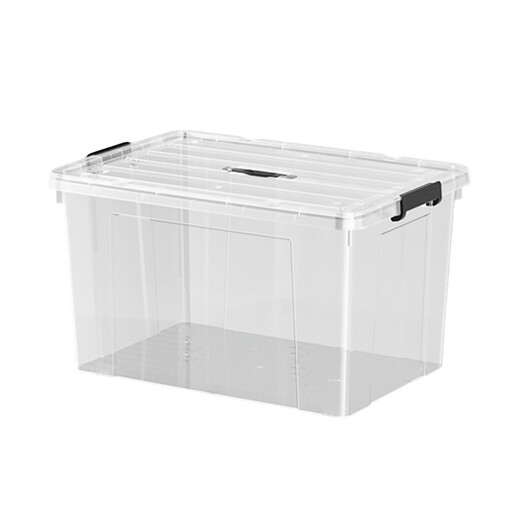
Why it stands out: Its versatile size is perfect for kids' toys, off-season clothing, or office supplies. A true all-purpose format for everyday needs.
Its 2.5 mm thick body resists warping and its clip-on lid ensures a reliable closure. Its design guarantees stable and secure stacking.
Its transparency allows you to identify the contents at a glance. The set of four is both economical and practical for getting started.
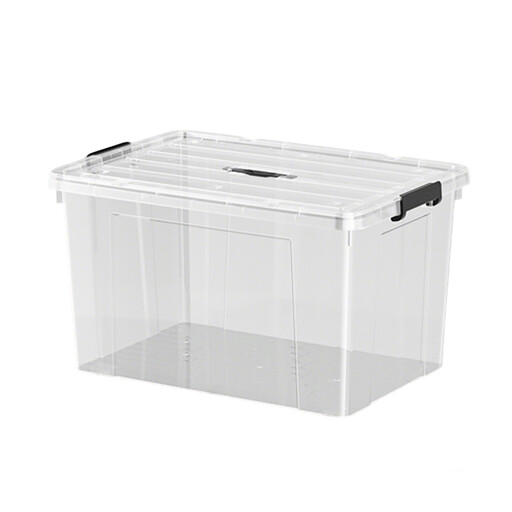
Why it stands out: Perfect for heavy or bulky items. Its large capacity makes it an excellent choice for organising a garage (tools, equipment) or storing duvets and Christmas decorations in the basement or attic.
Its structure is reinforced with ribs and a non-slip base, ensuring rock-solid stability, even when the boxes are heavily loaded and stacked.
Its large volume optimises vertical storage. The integrated ergonomic handles make transport much easier, even with heavy loads.
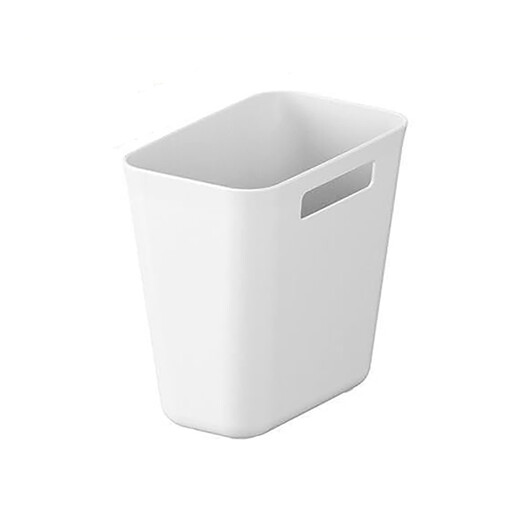
Why it stands out: Essential for those who lack floor space and want to organise small everyday items in the kitchen, bathroom, or even inside a cupboard door.
This model bypasses stacking and clutter problems by utilising often-forgotten wall space. A clever solution for a very specific need.
Its drill-free installation, thanks to a self-adhesive system, is a real bonus. Ideal for keeping spices, cotton pads, remote controls, and other small daily accessories within easy reach.
The longevity of a plastic storage box depends on several factors: the quality of the material (polypropylene is a champion of durability), the frequency of use, and the storage conditions. Avoid direct and prolonged exposure to sunlight or frost, which can make the plastic brittle. A well-made model, used normally, will serve you for many years.
Nothing could be simpler. A damp cloth and a little mild soap are sufficient for most boxes. Forget abrasive sponges and harsh detergents that could scratch or damage the surface. Make sure the box is completely dry before storing anything in it, especially textiles, to avoid any risk of mould.
Only if the box is explicitly certified as "food-grade" or "food-safe". Look for this mention or the international pictogram (a glass and a fork). Although polypropylene (PP) is often used for food containers, this certification is not automatic. As a precaution, never store food in a standard, non-certified storage box.