
Livraison le jour même ou le lendemain

Qualité garantie

Débloquez vos offres de bienvenue: Livraison GRATUITE | Jusqu'à -80 % | 30 jours d'essai gratuits à JoyPlus
Téléchargez l'application
Is clutter taking over and you're looking for a simple solution to restore order? The plastic storage box with a lid is often the go-to choice. But beware of this common pitfall! A poor choice can quickly turn this small investment into a nightmare: lids that crack, plastic that becomes brittle in the cellar, or stacks of boxes ready to collapse at the slightest breeze.
Before you fill your cart, learn how to avoid the traps. While many boxes look appealing on the shelf, their flaws often reveal themselves only with use. Here are the essential points to check for a truly smart and durable purchase.
Whether you're organising the cellar, the garage, or storing out-of-season clothes, you need solutions that are built to last. Watch out for these three recurring problems that can ruin everything:
To avoid unpleasant surprises, you just need to look at a few technical details. These are what guarantee the quality and lifespan of your boxes.
The material is the foundation of everything. Polypropylene (PP) is a safe bet for its robustness. But thickness is just as crucial. Aim for models with a wall of at least 2 mm and clearly visible reinforcements, like ribs on the sides or reinforced corners. These seemingly minor details dramatically increase impact resistance and the load they can bear—a non-negotiable point for a large storage box.
A stack that holds firm is no accident. A quality lid must have grooves or a recessed edge that perfectly fits the base of the box above it. It's this "interlocking" design that prevents any sliding and ensures the stability of the column. A textured or non-slip bottom is always a welcome bonus.
A transparent storage box is a daily time-saver: no more opening everything to find out what's inside. For big projects (moving, major spring cleaning), buying a storage box set is not only more economical but also ensures uniform stacking and a cleaner visual look.
Because every storage project is different, here are a few products that meet our criteria for durability and practicality, tailored for specific uses.

The Use Case: Perfect for storing toys, off-season clothing, or supplies. This set helps standardise storage in closets or the laundry room, while allowing you to identify the contents at a glance.
Its 2.5 mm thick plastic and reinforcing ribs protect it from cracks, while its lid is designed for stable interlocking. Goodbye, wobbly stacks!
Solid structure: Durable PP plastic with an anti-scratch treatment.
Practical handles: Easy to carry, even when fully loaded.
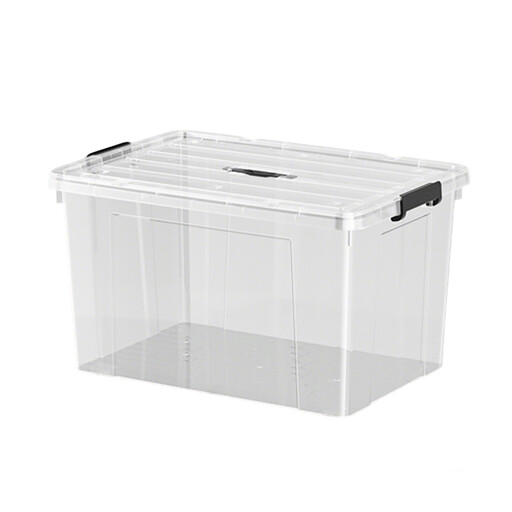
The Use Case: Ideal for storing tools, gardening equipment, or archives in demanding environments like a cellar or garage. Its large capacity is a real plus for bulky items.
Its thick PP structure, featuring 3D reinforcements, resists warping and low temperatures. No more plastic cracking at the first cold snap.
High resistance: Designed for heavy loads and intensive use.
Secure stacking: Lid and base interlock perfectly for rock-solid stability.
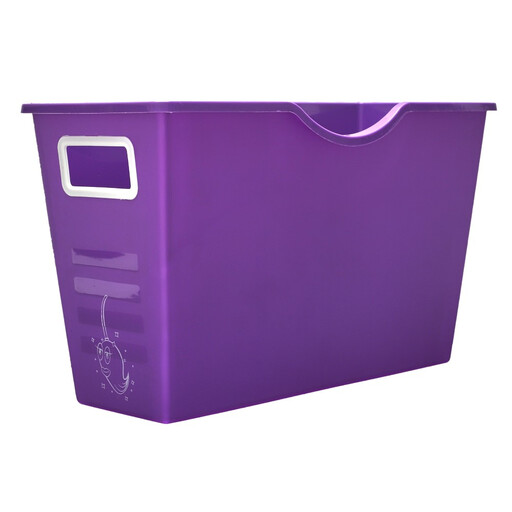
The Use Case: Its ultra-flat design is made to slide under a bed or furniture, into those narrow, often-wasted spaces. The perfect solution for those who lack vertical storage space.
It meets a very specific need that classic boxes ignore, preventing you from buying a model that's too big and just moves the clutter problem elsewhere.
Smart format: Ultra-flat to slide anywhere (10 litres).
Stylish design: Lightweight and attractive enough that you don't have to hide it.
Explore our full selection of products that tick all the boxes for durability, practicality, and safety.
A wipe with a damp cloth and a mild detergent will do the trick. Avoid abrasive sponges that could scratch a transparent storage box. Just be sure to dry it thoroughly before storing textiles or papers to prevent any mould growth.
Absolutely. Polypropylene (PP) is a stable, BPA-free plastic widely used for food containers and baby products. It is therefore perfectly safe for contact with textiles, toys, and other everyday items. For complete peace of mind, just ensure the product complies with European standards.
It all depends on the manufacturing quality. An entry-level model might warp under 10-15 kg. In contrast, reinforced boxes like the ones in our selection can support much heavier loads and allow you to stack several full units without risk. The best practice: respect the maximum load indicated by the manufacturer and always place the heaviest boxes at the bottom of the stack.