
Livraison le jour même ou le lendemain

Qualité garantie

Débloquez vos offres de bienvenue: Livraison GRATUITE | Jusqu'à -80 % | 30 jours d'essai gratuits à JoyPlus
Téléchargez l'application
Decluttering your home promises a clearer mind. But choosing the right tools can quickly become a headache. The plastic storage box with a lid seems like the obvious solution, and yet... many models hide flaws that only become apparent with use. To make a smart, long-lasting purchase, here’s how to sidestep the most common traps.
As the Head of Product Recommendations at Joybuy, my mission is to help you see things more clearly. Let's cut through the marketing jargon and focus on what really matters. Here’s how to avoid the most common buying mistakes.
An attractive price often masks critical design flaws. Here are the two most common issues that turn a bargain into a purchase you'll regret.
To avoid making a mistake, examine these two technical aspects. They make all the difference between a disposable box and a storage solution that will last for years.
The quality of the plastic is the number-one criterion. Polypropylene (PP) is a reliable choice for its sturdiness and resistance to both impacts and temperature changes. Check these points?:
A good design is, above all, a smart and functional one. For a closet organiser or any optimised space, reliable stacking is non-negotiable.
Every organisation project is unique. To help you find the ideal solution, here are our targeted recommendations by user profile.
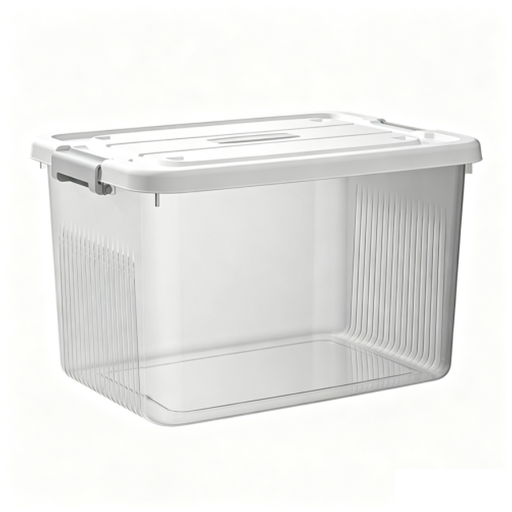
Why we chose it : Ideal for those who prioritise efficiency and durability for the garage, attic, or laundry room. The transparency lets you spot the contents in an instant, and its solid design is built to last.
Its thickened 2.5 mm body and reinforcing ribs prevent any risk of breakage. The flat lid and non-slip bottom ensure stable and secure stacking.
Sold as a set of 4, it allows you to start a cohesive and cost-effective organisation project with identical, perfectly stackable modules.
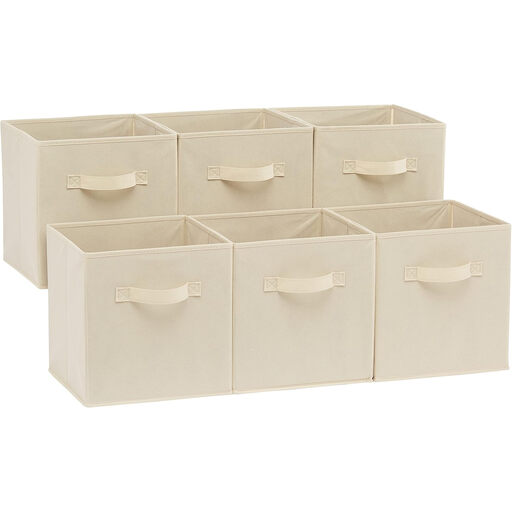
Why we chose it : For those seeking a storage solution that blends into the decor of a living room or bedroom. The beige fabric blends into the atmosphere, offering an aesthetic alternative to plastic that's perfect for open shelving.
It bypasses the aesthetic drawback of plastic. Designed for indoor use and lightweight items, it isn't subject to the same stresses as a garage crate. Its dual function: to organise and to decorate.
Its collapsible format allows it to be stored flat when not in use. The handles make it easy to pull from a shelf, making it an excellent closet organiser.
Organisation doesn't stop at the garage or the closet. The kitchen and food storage, for example, require specific solutions designed for food-grade use.
Kitchen organisation demands suitable containers. If you're looking for containers to store your meals, we've selected products that meet strict safety and practicality criteria.
It all depends on the quality of the plastic (PP being more durable) and how you use it. A well-made rigid plastic crate, used indoors and away from direct sunlight, can easily last more than ten years. Conversely, exposure to UV rays and freeze/thaw cycles in an uninsulated garage will weaken it and reduce its lifespan.
The key is to choose models specifically designed for stacking. Look for boxes with lids that have deep grooves or a rim that interlocks perfectly with the base of the box above. One last tip?: always place the heaviest boxes at the bottom to ensure the stack's stability.
No, absolutely not. For food contact, it is imperative to use food-grade plastic containers certified as BPA-free (Bisphenol A). Standard storage boxes for the garage or attic are not intended for this purpose and may leach chemicals into your food. Always check the manufacturer's specifications.