
Livraison le jour même ou le lendemain

Qualité garantie

Débloquez vos offres de bienvenue: Livraison GRATUITE | Jusqu'à -80 % | 30 jours d'essai gratuits à JoyPlus
Téléchargez l'application
Is clutter piling up, leaving you searching for a simple solution?? The plastic storage box might seem like the perfect answer. Yet, the wrong choice can quickly turn this investment into a new source of frustration?: warping lids, cracking plastic, and wobbly stacks.
As a product selection expert at Joybuy, my role is to guide you through the jungle of options to find storage solutions that are both practical and built to last. We'll cut through the marketing jargon and focus on what truly matters for making a smart purchase.
Before you head to checkout, let's review the most common design flaws that can turn a good idea into a regrettable purchase.
To avoid these pitfalls, here are the three criteria to inspect closely before you buy.
The type of plastic determines the box's sturdiness and its intended use. We can distinguish two main types?:
Good stackable storage boxes can be identified by a few crucial details. Look for the presence of grooves on the lid and a non-slip base. These details, which may seem minor, guarantee a perfect interlocking fit and a stable stack. This is a must-have for optimising closet organisation or maximising vertical space in a cupboard.
A transparent storage box is a significant time-saver?: no more opening every box to find what you're looking for. The lid's latching system is just as crucial?: models with sturdy clips are always the better choice. Finally, integrated, ergonomic handles are a game-changer when you need to carry a full plastic storage bin. Also consider purchasing a set of storage boxes for a cohesive and often more economical solution.
Rather than overwhelming you with an endless list of products, we've matched user profiles with items that meet all of our core requirements?: quality, practicality, and durability.
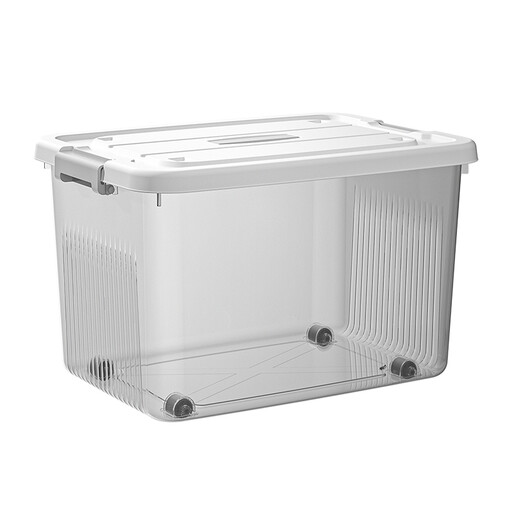
Why we chose it : Ideal for families juggling seasonal clothing, children's toys, or archives. These boxes are designed for heavy-duty use and long-term storage.
Its secret ? A polypropylene structure with a 2.5 mm thickness, reinforced with ribs to prevent cracking. The clip-on lid and textured base ensure stable and secure stacking.
Its reinforced structure can handle heavy loads, while its transparency allows you to identify the contents at a single glance.
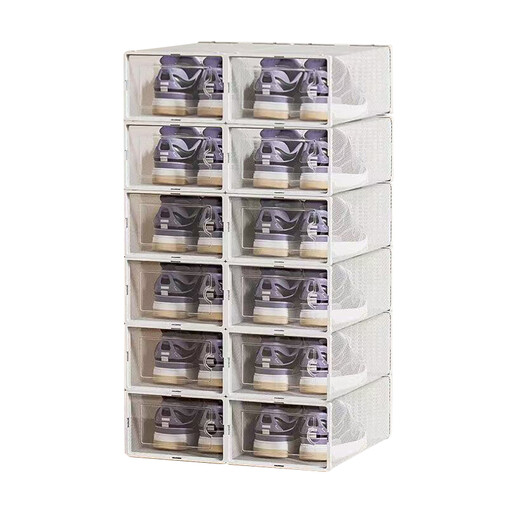
Why we chose it : The dream product for *sneakerheads* and anyone looking to turn their closet into a perfectly organised shoe gallery.
Its rigid, modular design ensures precision stacking. No more tedious unstacking : the magnetic front door provides direct access, a real upgrade from classic lids.
The transparent front and anti-oxidation protection showcase and protect your most prized pairs. Storage becomes a display.
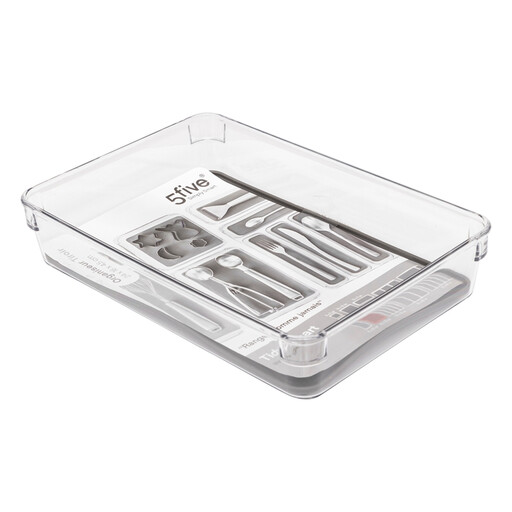
Why we chose it : The perfect solution for taming the chaos in kitchen drawers, office desks, or vanities. Its compact size is ideal for compartmentalising and finally finding your small items.
This is an open-top storage organiser, not a lidded box. Its sturdy PET/TPE plastic construction protects it from the fragility of low-end models : it won't crack or warp.
Its rectangular shape and low profile are specifically designed to fit into most standard drawers. A ready-to-use organisational solution.
Explore our full selection of products, all vetted by our experts using the same quality and safety criteria.
Use a soft, damp cloth with a touch of mild soap. Avoid abrasive sponges and harsh detergents, which can dull or scratch the plastic. Drying the box completely before reusing it is essential to prevent any lingering moisture.
PP (Polypropylene) is the Swiss Army knife of storage, prized for its light weight and its resistance to impact and torsion. It's often used for large, stackable storage crates. PET (Polyethylene Terephthalate) is more rigid and offers near-crystal clarity, making it ideal for organisers where seeing the contents is the top priority.
Yes, but not just any box will do. Opt for a plastic storage crate made from thick, reinforced PP. A lid with an airtight seal is non-negotiable to protect your belongings from moisture, dust, and pests. Also, ensure they can tolerate temperature fluctuations, especially if your garage or basement isn't insulated.