
Livraison le jour même ou le lendemain

Qualité garantie

Débloquez vos offres de bienvenue: Livraison GRATUITE | Jusqu'à -80 % | 30 jours d'essai gratuits à JoyPlus
Téléchargez l'application
Is clutter taking over your space, and are you looking for a simple solution to end it?? The plastic storage box is often the go-to solution. Practical, affordable, and versatile, it seems like the perfect answer. However, the wrong choice can quickly turn this good idea into a source of frustration. Warping lids, cracking plastic, wobbly stacks—disappointments are common.
As a product expert at Joybuy, my mission is to help you navigate the jungle of options to find the solution that truly meets your needs, without falling for marketing traps. Here are the key points to check before you buy.
A tempting price tag often hides flaws that can render a box useless in just a few months. Here are the two most common pitfalls.
To make the right choice, focus on these few features that make all the difference in daily use.
The choice of plastic is fundamental. Polypropylene (PP) is the most common, valued for its resistance to wear and chemicals. For maximum durability, check the wall thickness (2.5?mm is a good benchmark for moderate loads) and the presence of ribs that stiffen the structure. For a garden storage chest, a UV-resistant treatment is essential to prevent the plastic from fading and becoming brittle in the sun.
A good storage box with a lid must close tightly to protect its contents from dust and moisture. Clip-on systems are far more reliable than simple drop-on lids. Well-designed, integrated handles make transport easier, especially when the box is heavily loaded. Finally, carefully examine the design of the lid and base: pronounced edges or deep grooves are the only guarantee of a stable stack.
The format must, of course, match your needs. An open plastic storage bin is perfect for items you need to keep handy, like cleaning products or small gardening tools. For a visually cohesive organisation, an identical set of storage boxes is the most effective solution. And if aesthetics are a factor, especially in a living area, a textured storage basket will skilfully combine function and style.
Because every need is unique, here are our recommendations, chosen for their smart design and suitability for different uses.

Why we recommend it: Perfect for storing off-season clothes, children's toys, or office archives. The transparency allows you to identify the contents at a glance, and the set format ensures a visually harmonious organisation.
The manufacturer states a thickness of 2.5 mm, reinforcing ribs, and a non-slip base. These technical features directly address the problems of fragility and unstable stacking.
Its reinforced structure ensures good durability and secure stacking. The clip-on lid effectively protects the contents from dust.
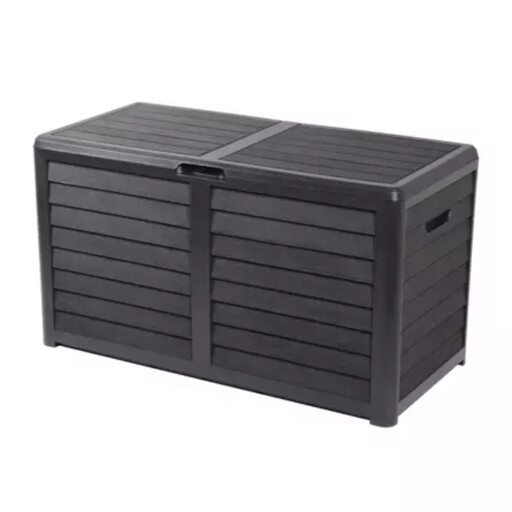
Why we recommend it: Essential for storing garden furniture cushions, pool accessories, or gardening equipment. Its large capacity and robust design make it the perfect ally for patios and gardens.
This chest is made of UV- and frost-resistant polypropylene, which prevents it from becoming brittle over time. Its design includes ventilation to prevent condensation, and it can be secured with a padlock.
Its large 420 L capacity and its weather resistance. Bonus: it assembles without tools and is certified "Origine France Garantie" (Guaranteed French Origin).
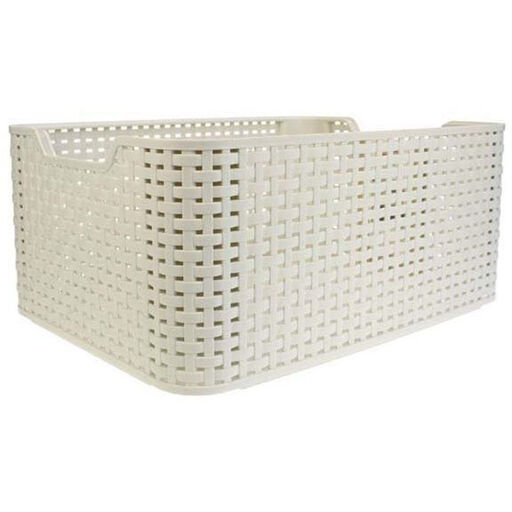
Why we recommend it: For those who want to organise in plain sight. In a living room, bedroom, or bathroom, this open basket holds throws, magazines, or beauty products while contributing to the decor.
It avoids the pitfall of the purely functional box that you'd rather hide. Its rattan-look finish fits into any decor, making storage a true style element.
It combines the durability and easy maintenance of plastic with the warm aesthetic of natural fibres. Its integrated handles make it easy to move.
Discover our full selection of products that meet our strictest quality and safety standards.
It all depends on the quality of the plastic, its thickness, and where it's stored. A good polypropylene (PP) model, used indoors away from direct sunlight, can last for years. For outdoor use, a UV-resistant treatment is essential; without it, the plastic can become brittle in just one or two seasons.
Examine the design of the lid and the bottom of the box. The most stable models have lids with deep edges or grooves that interlock with the base of the box on top. If the lid is smooth and flat, be wary! The stack will be precarious. Look for terms like "secure stacking" or "non-slip base".
Absolutely not; caution is required. Only boxes marked "food safe" or bearing the official logo (a glass and fork) are designed for direct contact with food. For all others, only store food that is already packaged and sealed.