
Livraison le jour même ou le lendemain

Qualité garantie

Débloquez vos offres de bienvenue: Livraison GRATUITE | Jusqu'à -80 % | 30 jours d'essai gratuits à JoyPlus
Téléchargez l'application
A tidy home often starts with one simple accessory: the plastic storage box with a lid. However, this seemingly straightforward purchase can quickly turn into a nightmare. Lids that crack, stacks of boxes that collapse, plastic that turns brittle after one winter in the basement… these scenarios are, unfortunately, all too common.
I'm the head of product testing at Joybuy, and my job is to guide you beyond the marketing jargon to make the right choice. Let's forget the lofty promises and focus on what really matters in practice. Here’s how to avoid the classic pitfalls and choose storage boxes that are built to last.
Before you buy, you need to know how to spot the typical weaknesses of entry-level models, which are often invisible at first glance.
To avoid these unpleasant surprises, focus on a few objective technical points. This is what makes all the difference between a purchase you'll soon regret and a storage solution that's truly reliable.
The type of plastic is crucial. Polypropylene (PP) is generally the best choice for its flexibility and its resistance to impact and fatigue. It is far less likely to crack than more rigid and brittle plastics. For heavy-duty use, look for these design elements:
A good stackable storage bin is recognisable by the design of its lid and base. The lid should be flat and reinforced, while the base should have rims or grooves that "lock" the box onto the one below it. A non-slip bottom is a highly welcome bonus.
The closing mechanism is another critical point. Lids with side clips provide a much more secure closure than a simple press-on lid, effectively protecting the contents.
The choice between a transparent storage box and an opaque model depends on your use case:
Here are a few models that meet specific needs, all selected for their durability and thoughtful design.
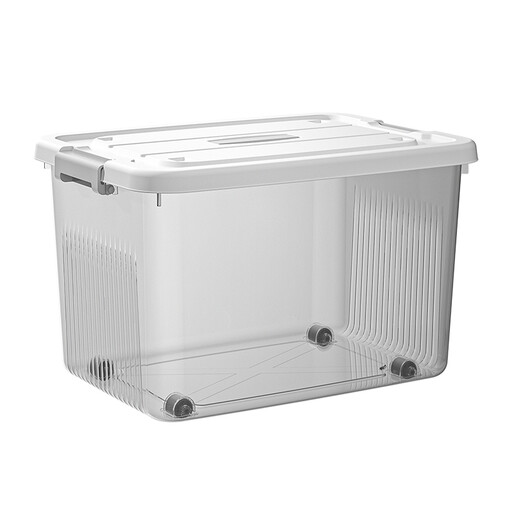
Why we chose it: A versatile and cost-effective set for tidying up cupboards, children's rooms, or archives. The transparent plastic lets you spot the contents in a second.
The thickened 2.5 mm body and reinforcing ribs limit deformation under load. The clip-on lid ensures a much more reliable closure than a simple press-on lid, so it won't pop open on its own.
An excellent price-to-volume ratio for a set of storage boxes, with a design that ensures stable stacking thanks to the flat lid and non-slip bottom.
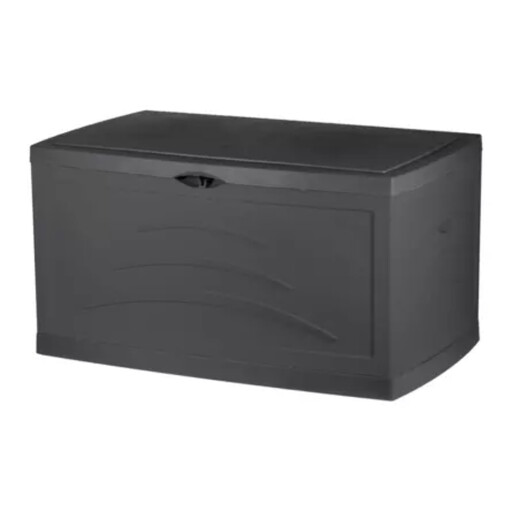
Why we chose it: For storing bulky equipment outdoors or in a garage, this chest combines a large volume with effective protection against the elements. Ideal for garden furniture cushions, tools, or pool accessories.
Its polypropylene plastic is treated to be UV and frost resistant. This means it won't become brittle or discolour over time—a deal-breaking flaw for standard boxes used outdoors. The integrated ventilation even prevents mould growth.
Its large 310-litre capacity, mobility thanks to its wheels, and the option to lock it with a padlock (not included) to secure the contents.
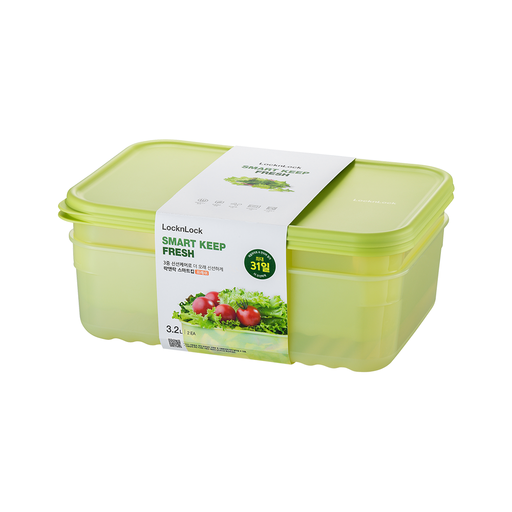
Why we chose it: Not all plastic boxes are created equal for food use. This model is specifically designed for food storage, with materials and technology engineered to extend freshness.
Unlike a standard storage box, this one is guaranteed BPA-free. Its locking-hinge system and silicone seal ensure it is perfectly airtight and watertight, preventing leaks and odour transfer.
The manufacturer, LocknLock, highlights its "Breath Care Fresh" technology, which absorbs ethylene to better preserve fruits and vegetables. The box is microwave (without lid), freezer, and dishwasher safe.
Discover our full selection of products that meet our quality criteria and current standards.
The cold makes some plastics extremely brittle. For basement or garage storage, choose boxes made of polypropylene (PP), which remains more flexible at low temperatures. Avoid overloading and bumping them, especially in winter. It's good practice to check the operating temperature range specified by the manufacturer.
Yes, for short- to medium-term storage in a cupboard, it's perfect. A transparent storage box allows you to find a jumper or t-shirt in the blink of an eye. However, for long-term storage (over several seasons), an opaque clothes box is essential to protect textiles from fading caused by light, even indirect light.
"Stackable" means the box is designed to have several others stacked stably on top of it. But be careful—the reliability depends entirely on the quality of the design. A good stackable storage bin must have a reinforced lid (to prevent sagging) and rims or grooves that secure the box above it. Be wary of models where the boxes simply sit on top of each other without a true interlocking system.