
Livraison le jour même ou le lendemain

Qualité garantie

Débloquez vos offres de bienvenue: Livraison GRATUITE | Jusqu'à -80 % | 30 jours d'essai gratuits à JoyPlus
Téléchargez l'application
Securing a balcony, protecting a vegetable garden, building an enclosure… Plastic netting is the versatile, all-in-one solution. But be warned: there's a world of difference between a model that tears at the first gust of wind and one that lasts for years. The market is flooded with options, and it's easy to be misled by a product that degrades after just one season. To help you see clearly, here are the pitfalls to avoid and the criteria that truly matter before you buy.
A tempting price tag often hides flaws that can render a protective net useless in the short term. Here are two critical points you should never overlook.
Outdoors, plastic's number one enemy is the sun. Without UV treatment, netting quickly loses its flexibility, becomes brittle, and can literally fall apart. A quality product must explicitly mention UV stabilisation, guaranteeing its durability for several years, not just a few months. This is a non-negotiable feature for any outdoor use, whether it's a plastic fence or a balcony privacy screen.
The effectiveness of your setup depends entirely on the mesh size. Mesh that's too large will let pests through, while mesh that's too fine might block airflow or simply be overkill for your needs.
To look past the marketing claims, focus on these technical specifications that define the real-world performance of plastic netting.
These two plastics dominate the market, but they are not created equal.
The manufacturing method has a direct impact on tear resistance. For instance, a woven or knitted net (identifiable by its "run-proof" or "lock-stitch" mesh) will always outperform a simple extruded net in terms of strength. For the most demanding uses, such as an underground mole barrier or a perimeter fence, opt for reinforced structures that won't unravel when cut or placed under tension.
Every project has its own requirements. Here are our recommended options, selected for how perfectly they match specific user needs.
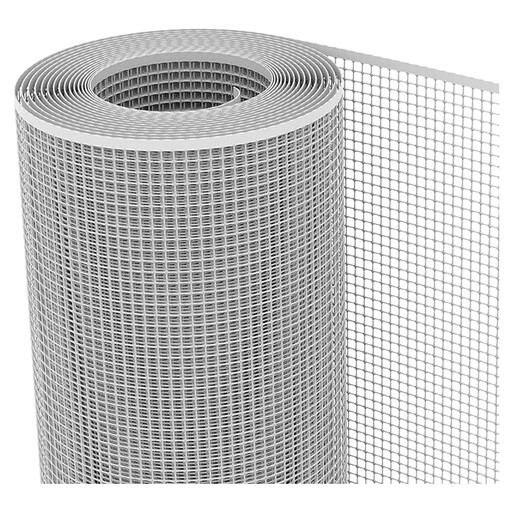
Why it's a great choice: Perfect for securing a balcony, reinforcing a fence, or preventing objects from falling. Its versatility makes it an indispensable ally for all kinds of everyday jobs.
Made from 100% polyethylene, it's treated to withstand the elements without becoming brittle. Bonus: its smooth, non-sharp edges make installation safer.
Lightweight and easy to handle, it can be installed in a flash. Its square mesh is an effective all-rounder for most protection needs.
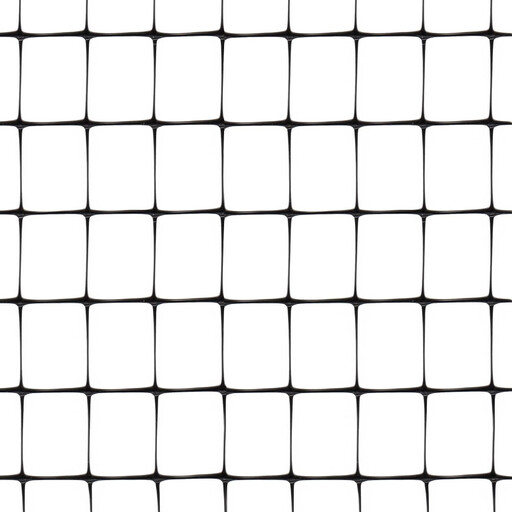
Why it's a great choice: Specifically designed for aviaries and chicken coops, this net is the robust solution for containing animals while ensuring their safety.
Its secret? UV-stabilised polypropylene and a molecular biorientation process that give it exceptional tear and tensile strength, far beyond that of standard plastic.
It combines the strength required for an enclosure with the lightness and ease of installation of a net, a far cry from the rigidity of metal fencing.
Why it's a great choice: Designed for professionals, it protects large crops (orchards, vineyards, vegetable gardens) from the whims of the weather, especially hail. Its dimensions and durability are built for heavy-duty use.
Its woven polyethylene monofilament structure (Raschel knitting technique) makes it run-proof and ultra-resistant. Its reinforced selvedges ensure a rock-solid installation, even under high tension or in strong winds.
It absorbs the impact of hail without obstructing air, light, or water—three elements vital for healthy crop development.
Discover our full selection of products that meet our quality criteria and current safety standards.
The lifespan of plastic netting is directly linked to its sun exposure and, most importantly, the quality of its UV treatment. An entry-level, untreated model will barely last one season. Conversely, a quality polyethylene or polypropylene net with proper UV stabilisation can easily last more than 5 years, even in direct sunlight.
Proper installation is essential. Use fasteners appropriate for your support structure (posts, walls, railings), such as zip ties, staples, or tension wire. Make sure to pull the netting taut so it doesn't catch the wind, which would cause premature wear and create weak points. For bird netting or anti-hail netting, attach it to a frame (hoops, cables) rather than directly onto the plants.
Absolutely. Most plastic netting can be cut effortlessly with a good pair of scissors or cutting pliers. The advantage of high-quality models, especially those with woven or run-proof mesh, is that they don't unravel when cut. This ensures the finish remains clean and strong.