
Livraison le jour même ou le lendemain

Qualité garantie

Débloquez vos offres de bienvenue: Livraison GRATUITE | Jusqu'à -80 % | 30 jours d'essai gratuits à JoyPlus
Téléchargez l'application
Securing a balcony for your cat, protecting your vegetable garden from hungry birds, or sectioning off a corner of your yard… Plastic netting is the ultimate simple and versatile solution. However, with an overwhelming number of options on the market, it's easy to get ripped off and regret your purchase. A product that disintegrates in a single summer or a mesh that's unsuitable for your project are classic mistakes. This guide breaks down the essential criteria for making a smart and durable choice.
Before you make a decision, it's crucial to know the hidden flaws that separate a good investment from a future headache.
For an investment that lasts, focus on these three key characteristics.
The durability of your netting depends primarily on its composition. There are two main types of plastic:
Regardless of the material, the mention "UV-treated" or "UV-stabilised" is non-negotiable. This treatment prevents the plastic from becoming brittle and losing its colour in the sun, guaranteeing a lifespan of several years.
The mesh size, expressed in millimetres, is crucial and depends entirely on your project.
Double-check the roll's dimensions (height and length) to ensure you can cover the necessary area without creating unsightly seams. A longer roll is often more economical for large projects. Finally, pay close attention to reinforced, smooth edges. This finishing detail makes all the difference: it greatly simplifies attachment with zip ties and ensures uniform tension, for a cleaner look and a safer installation.
Here are our recommendations, chosen for their effectiveness and their ability to avoid the common pitfalls.
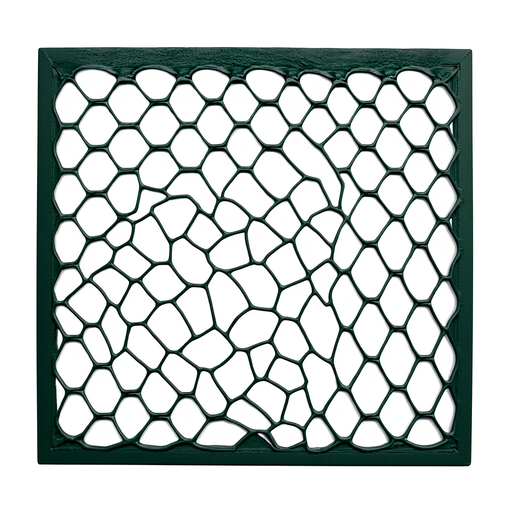
Why we chose it: With its dimensions, this roll is perfect for a standard balcony. Its 20 mm hexagonal mesh is an excellent compromise for securing a cat or small dog without turning the balcony into a bunker. Its green colour blends discreetly into the background.
It is UV-treated (manufacturer claims a 5-year guarantee) and its smooth, reinforced edges prevent cuts while ensuring a clean, snag-free installation.
Combines the function of a terrace safety net with a discreet look that doesn't sacrifice the aesthetics of your outdoor space.
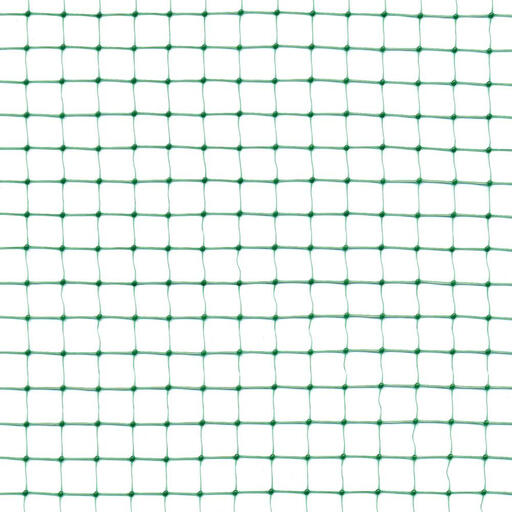
Why we chose it: Specifically designed as garden netting, its 10x10 mm mesh is calibrated to block birds without obstructing light, air, or pollinating insects. It's very lightweight and can be placed directly over crops or on hoops.
Its mesh is precisely calibrated for its bird-blocking mission. Made from UV-treated polypropylene, it's reusable for several seasons, making it a much smarter investment than a disposable product.
Targeted and effective protection for your crops, without harming plant growth or beneficial wildlife (provided it's stretched taut).
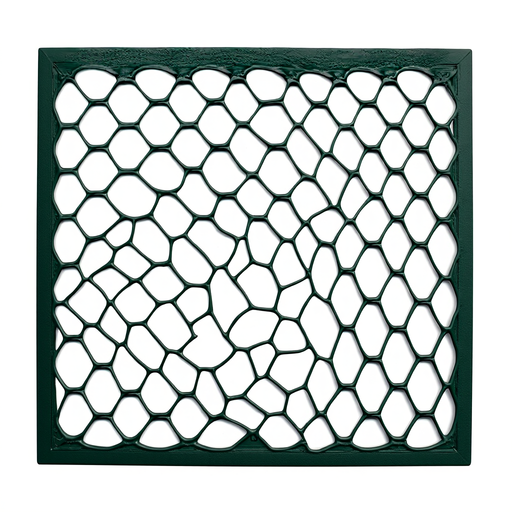
Why we chose it: This large 50-metre roll is the economical solution for large-scale projects. Its 1.20 m height is highly versatile, ideal for extending a fence, creating a garden barrier, or securing a large perimeter.
Its bulk format saves you from multiple purchases and clumsy joins. The smooth, non-cutting edges are a major plus for handling and installing such long lengths.
Great versatility and excellent value for money for those who need to cover a long distance or have multiple projects in mind.
We've compiled a complete list of products that meet our criteria for quality and durability.
The simplest and safest method is to use plastic zip ties (or cable ties). Unroll the netting and securely attach it to the first post. Then, stretch it progressively, fastening it to the top and bottom of the railing every 20 to 30 cm. Make sure the net is perfectly taut to prevent animals from squeezing through and to stop the wind from catching and flapping it.
It all depends on the quality of the treatment and the sun exposure. A well-made plastic netting, properly UV-stabilised, can easily last 5 to 10 years under normal conditions in the UK. In contrast, untreated entry-level products rarely survive a single summer.
Some very fine-mesh netting can offer a partial privacy screen for fences. However, their primary function is protection or demarcation. For truly effective screening, it's better to turn to dedicated products like reed screens, artificial hedges, or privacy screen fabrics, which are specifically designed to block the view while withstanding wind pressure.