
Livraison le jour même ou le lendemain

Qualité garantie

Débloquez vos offres de bienvenue: Livraison GRATUITE | Jusqu'à -80 % | 30 jours d'essai gratuits à JoyPlus
Téléchargez l'application
Plastic netting is a versatile ally for many outdoor projects: enclosing a vegetable garden, securing a balcony, or guiding plants. But be warned, choosing the right model can quickly become a headache. An unsuitable product almost guarantees unpleasant surprises: degrading in a single season, tearing at the first snag, or even posing a risk of cuts during installation.
To help you avoid these disappointments, we've broken down the classic mistakes and the essential criteria to check. Follow this guide to make a smart purchase that's perfectly suited to your project.
The market is full of products with tempting promises, but not all are created equal. Here are the flaws that too often turn a good deal into a purchase you'll regret.
To be sure of your choice and invest in durable netting, there are three technical points to scrutinise. The strength and lifespan of your installation depend on them.
The type of plastic is the primary indicator of quality and its intended use.
The mesh size is not just a detail: it must be chosen specifically for your project.
This is a non-negotiable criterion for any outdoor use. Quality netting must be UV-stabilised. Check that the product description clearly states "UV-treated" or "UV-stabilised". The tell-tale sign? The warranty. A manufacturer confident in its treatment will offer a warranty on the material and colour fastness (sometimes 5 or even 10 years). This is a guarantee of peace of mind that should not be overlooked.
Rather than overwhelming you with a long list of products, we've matched specific solutions to specific needs, applying the quality criteria we've just discussed.
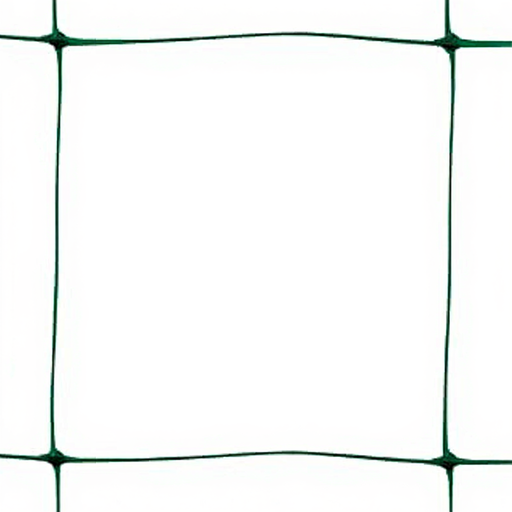
Why we chose it: Perfect for guiding the vertical growth of vegetables (tomatoes, beans) or flowers. Its green colour blends into the garden scenery, and its light weight makes it incredibly easy to install on simple stakes.
Designed specifically as netting for climbing plants, it guarantees a resistance level perfectly calibrated for this use, unlike generic "do-it-all" models that are good for nothing.
Lightweight and easy to handle. Its structure promotes good air circulation for crops and simplifies harvesting.
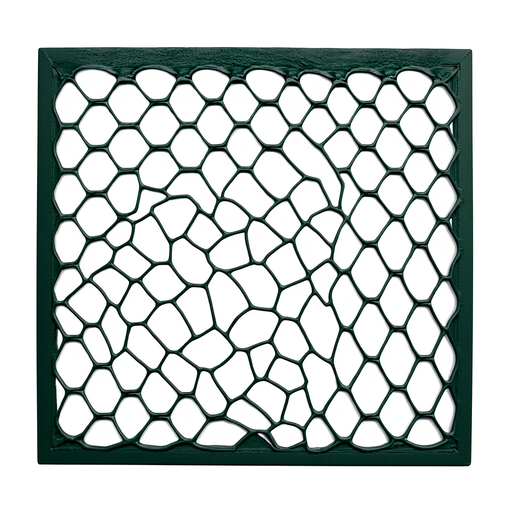
Why we chose it: Ideal for securing a balcony for a cat (cat safety netting) or a small dog. Its 20 mm hexagonal mesh is fine enough to prevent passage without blocking the view or light.
Its smooth, reinforced edges eliminate the risk of cuts for you and your pet—a deal-breaking flaw in low-end netting. The UV treatment guarantees its longevity, even in full sun exposure.
Safe design with non-sharp edges and a 5-year warranty against fading. Provides long-lasting peace of mind.
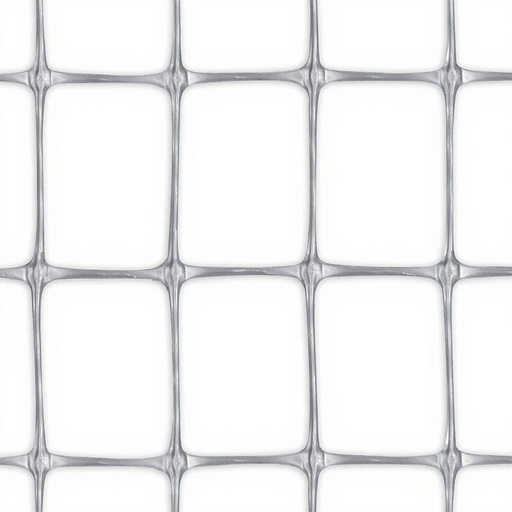
Why we chose it: For those seeking a long-lasting alternative to a metal garden fence. Its robustness makes it perfect for a permanent residential fence, even in coastal areas where corrosion is a major issue.
Its construction from 100% high-density polypropylene with molecular orientation gives it exceptional strength, placing it light-years ahead of fragile, brittle entry-level products.
It never rusts or corrodes, even in saline environments. Its 10-year warranty is the best proof of this.
Explore our full selection of products that meet our criteria for quality and durability.
The key to a successful installation? Securely fixed posts at regular intervals. Then, unroll the netting, pulling it taut to prevent sagging, and fasten it with cable ties or galvanised wire. A pro tip: wear gloves to protect yourself during handling and cutting.
The difference is huge. An entry-level, non-UV-treated model will barely last a season. Conversely, a well-made HDPE or PP netting with effective UV stabilisation can last anywhere from 5 to over 10 years. As always, the manufacturer's warranty is the best indicator of expected longevity.
No, or very minimally. On its own, plastic netting is too open-meshed to provide privacy. For a true privacy screen effect, you need to combine it with privacy fabric or reed fencing. The other, more aesthetic solution is to use it as a support for dense climbing plants, which will form a beautiful living screen.