
Livraison le jour même ou le lendemain

Qualité garantie

Débloquez vos offres de bienvenue: Livraison GRATUITE | Jusqu'à -80 % | 30 jours d'essai gratuits à JoyPlus
Téléchargez l'application
Plastic netting can seem like the perfect solution for the garden, balcony, or a small enclosure. It's easy to install and cost-effective, but be warned: not all models are created equal. The wrong choice is a recipe for disappointment?: a net that sags under the weight of tomatoes, a fence that crumbles at the first frost, or a balcony guard that is secure in name only. To avoid the pitfalls and invest in a product that will deliver on its promises, follow our guide.
The market is flooded with options, but certain often-overlooked features can render a product completely useless in just a few months.
To make the right choice, two technical criteria must be scrutinised: the material and the mesh structure. They directly determine the performance and lifespan of your installation.
This is more than just a technical detail. The choice of polymer has a direct impact on the sturdiness and longevity of your netting.
The shape and size of the mesh are not just a matter of aesthetics. They define the product's primary use.
To put theory into practice, here is how these criteria translate into concrete products, selected for three distinct user profiles.
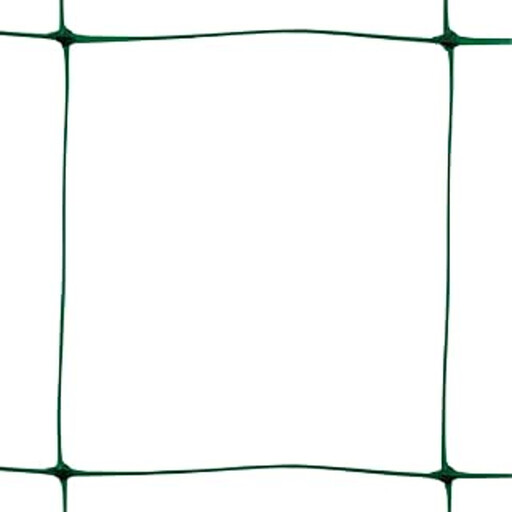
Why we chose it : Perfect for getting started or for a small-scale vegetable patch. It's the simple and effective solution for guiding the vertical growth of vegetables (tomatoes, peas, cucumbers), thus optimising space and the future harvest.
Made from robust polypropylene, it is designed to support the weight of crops without tearing, unlike cheap nets. It doesn't rust and can be easily reused for several seasons.
Its wide mesh promotes air circulation and sun exposure, two essential conditions for healthy plant growth and simplified harvesting.
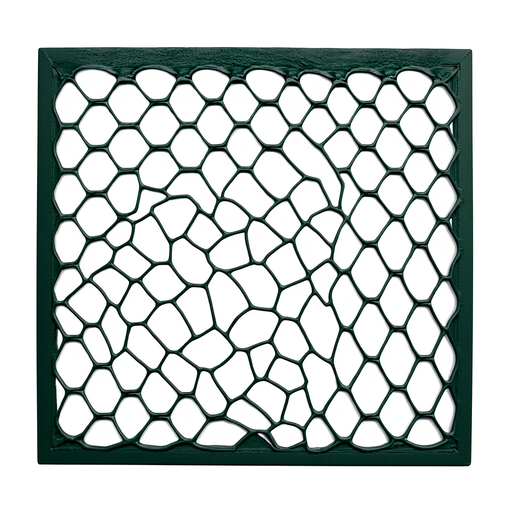
Why we chose it : The perfect solution for securing a balcony or terrace for a cat or small dog. Its structure is designed for safety, without sacrificing aesthetics or natural light.
UV-treated and guaranteed for 5 years against fading, it is built to last. Its smooth, non-sharp edges are an essential safety feature for both you and your pet.
The hexagonal mesh is both decorative and functional. It provides a reliable containment barrier that doesn't obstruct the view.
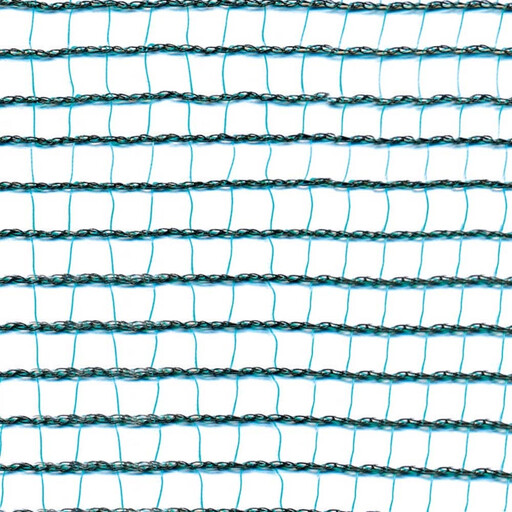
Why we chose it : Designed for professionals and demanding hobbyists, this net offers high-level protection for orchards, vineyards, or large vegetable gardens against weather hazards like hail.
Its construction from 100% UV-stabilised HDPE and its run-proof monofilament weave guarantee extreme resistance to impacts and degradation, where a standard net would tear.
It provides multifunctional protection : anti-hail, anti-bird, and light shading, while remaining permeable to water and air so as not to disturb crop growth.
Explore our full selection of products that meet our quality criteria and current standards.
Its longevity depends primarily on two factors?: the material and the UV treatment. A high-quality polyethylene or polypropylene netting with effective UV stabilisation can last from 5 to 10 years, or even longer. Conversely, entry-level, untreated products can degrade in a single season.
For a successful installation, whether for a fence or a plant support, the key is to securely fasten the netting to posts (wood or metal) spaced 2 to 4 metres apart. Unroll the net and attach it starting from the top, tensioning it progressively as you fix it with staples, zip ties, or wire. Optimal tension is essential to prevent it from sagging over time.
Absolutely, provided you choose a suitable model. Poultry netting must be made from a highly resistant material like HDPE or bi-oriented PP. Opt for a mesh that is small enough to block predators and ensure the height is adequate. The Tenax Cintoflex model, for example, is specifically designed for this type of enclosure thanks to its very high tensile and tear strength.