
Livraison le jour même ou le lendemain

Qualité garantie

Débloquez vos offres de bienvenue: Livraison GRATUITE | Jusqu'à -80 % | 30 jours d'essai gratuits à JoyPlus
Téléchargez l'application
Defining a vegetable patch, securing an outdoor area or creating an enclosure for small animals does not necessarily require metal fencing. Plastic mesh for garden fencing is lighter, easy to cut and does not rust. You still need to choose a model suited to its intended use.
A roll that is easy to carry is convenient, but its weight alone is not enough to judge its strength. Mesh that is too fine or made from an unstable material may deform under tension, tear during installation or lose its shape after several windy spells.
Check the material, the mesh structure and the information provided about tensile and tear strength. A bioriented polypropylene fence may offer more consistent stability than a flexible plastic net designed solely for temporary use.
Installed in direct sunlight, garden netting is exposed to ultraviolet rays for long periods. In coastal areas, sea air also accelerates the corrosion of metal accessories. UV protection and a rust-free material help reduce maintenance requirements.
Polypropylene does not corrode like steel. However, this does not mean that all plastic products offer the same lifespan: UV stabilisation, material density and the quality of the fixings remain decisive factors.
A 10 m roll may be enough for a small patio or garden border. A 50 or 100 m format, on the other hand, will be better suited to a large plot, a poultry run or several areas that need protecting. Measure the length to be covered, add some extra for corners and plan where the posts will go before placing your order.
For outdoor installation, choose a clearly specified material such as virgin polypropylene, along with a structure designed to withstand tension in several directions. When mentioned by the manufacturer, molecular biorientation refers to a process that aligns the material’s structure longitudinally and transversely.
This feature is particularly useful for high-strength plastic mesh intended to remain in place. It does not turn the netting into a load-bearing barrier, however: it must be secured to posts or a sufficiently stable frame.
The height determines the level of separation provided. A height of 1 m is suitable for many borders, garden areas and small enclosures. To prevent small animals from getting through, also check the size of the openings. The Tenax Millennium Anthracite 1.5 × 10 m model has a mesh size of 35 × 48 mm: a format to compare with the size of the animals or objects you need to contain.
Even when lightweight and easy to install, fencing netting depends above all on the quality of its anchor points. In particular, allow for:
The netting must not be used as a climbing aid, safety barrier or component intended to hold a heavy load. For an enclosure, inspect the fixings regularly and replace any torn section.
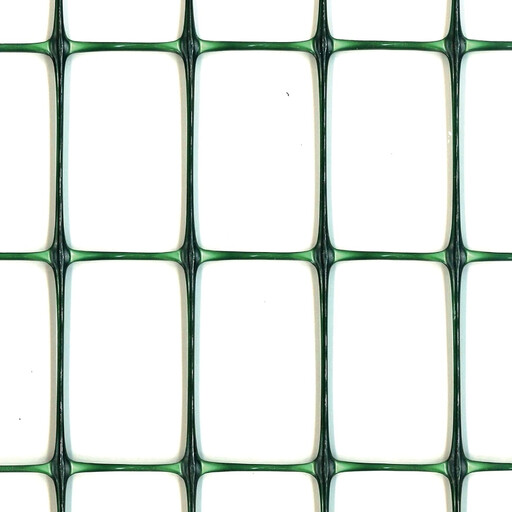
Why this choice suits this profile : its 10 m length and 1 m height are ideal for initially defining a garden, patio or flower bed. At a stated 2 kg, the roll remains easy to handle for home installation.
The description states that it is resistant to weather, rust and corrosion, without paint or anti-corrosion treatment that needs regular renewal.
A contemporary anthracite colour, a 1 × 10 m format and easy handling.
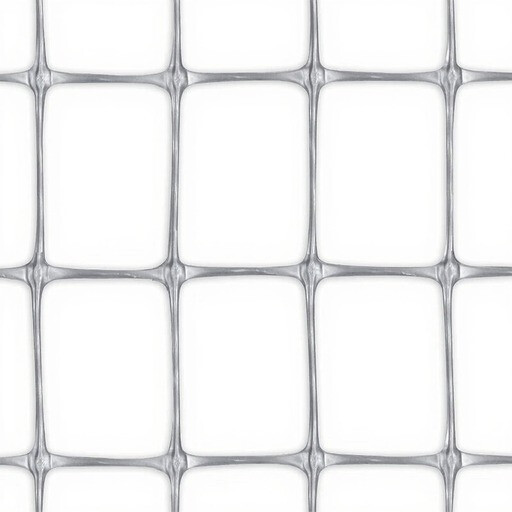
Why this choice suits this profile : its 1.5 m height, 35 × 48 mm mesh and bioriented structure are suitable for durable residential projects requiring a clearly visible boundary.
The product details mention UV stabilisation and resistance to salt corrosion: two valuable features for an installation exposed to sunlight or located by the sea.
Virgin polypropylene, a stated weight of 200 g/m² and a 10-year guarantee mentioned by the manufacturer.
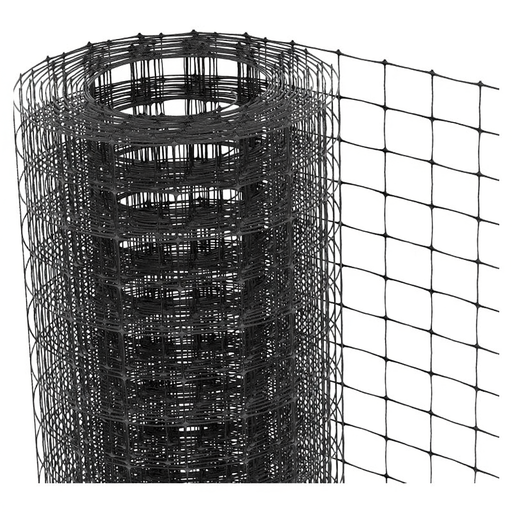
Why this choice suits this profile : its 100 m roll is suitable for poultry runs, domestic animal enclosures, aviaries, and protecting ponds and vegetable patches.
It can be cut with scissors and secured with standard cable ties or staples. However, the description reminds you that it is neither a safety barrier nor a climbing net.
A generous 100 m length, UV-stabilised material and easy cleaning with water.
Unroll the netting in the direction of the fence, then secure it gradually to prevent creases. On uneven ground, position the posts closer together in areas subject to the greatest tension. Fasteners are not always supplied, so check the contents of the parcel before you begin.
Corrosion-resistant mesh generally does not need anti-rust paint. However, cleaning it with water removes dust, plant debris and salt deposits. Inspect the mesh, ends and fixings regularly, especially after a storm. If you are using it for animals, also check that no cut edge could catch on their fur or injure them.
We have created a complete, real-time updated list of products that fully meet these strict selection criteria, as well as European safety regulations.
Use cable ties, staples or fasteners designed for outdoor use. Start at a corner, gradually tension the netting, then secure it at regular intervals. Stability depends as much on the posts as on the netting material.
Its lifespan varies depending on the quality of the polypropylene, UV stabilisation, the tension applied and exposure to the weather. A product designed for permanent use and equipped with UV protection will be better suited to a long-lasting installation than temporary netting. Any torn section should also be replaced promptly.
It may be suitable for certain enclosures and runs, particularly for poultry or small animals, provided that the mesh size and height are appropriate. It must not be used to hold a load, stop a powerful animal from forcing its way through the fence or act as a safety barrier. Regular inspection of the fasteners and mesh remains essential.