
Livraison le jour même ou le lendemain

Qualité garantie

Débloquez vos offres de bienvenue: Livraison GRATUITE | Jusqu'à -80 % | 30 jours d'essai gratuits à JoyPlus
Téléchargez l'application
Plastic mesh fencing has become a straightforward and cost-effective solution for many outdoor projects. Its benefits are clear: it's lightweight, easy to handle, and impervious to rust. However, the market is flooded with products of wildly inconsistent quality, and many buyers end up with netting that discolours, cracks, or becomes useless after just a few months. To avoid purchase regret, it's crucial to know how to navigate the marketing pitfalls and make a truly long-lasting choice.
To choose a mesh fence that will meet your needs and stand the test of time, here are the three essential parameters to check.
The durability of your mesh fencing depends directly on the polymer used.
The non-negotiable criterion: the quality of the UV treatment. A quality treatment is integrated "into the core" of the polymer, not just sprayed on the surface. This guarantees that the colour and mechanical properties of the mesh will remain stable for years, even in direct sunlight or coastal environments.
The shape and size of the mesh determine the primary use of the fencing.
Some models, like plastic-coated galvanised mesh, combine a steel wire core for rigidity with a plastic coating for total protection against corrosion.
If your goal is to shield yourself from view with a garden privacy screen or terrace screening, the type of product changes radically. This is no longer an extruded net, but a woven fabric. The key parameter then becomes the grammage, expressed in grams per square metre (g/m?).
Here are a few options that meet specific needs, taking into account durability and performance criteria.
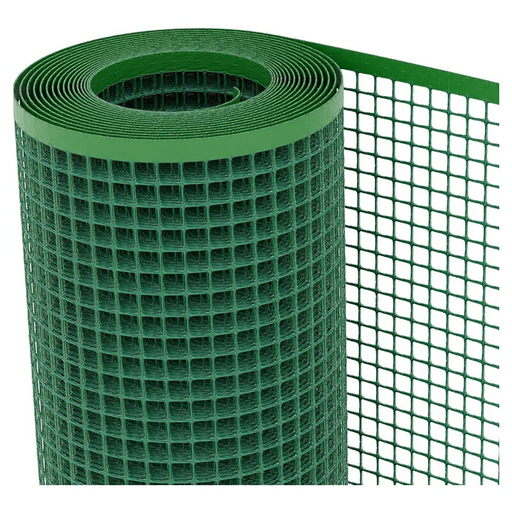
Why we chose it: Perfect for securing a balcony or railing without compromise. Its 20x20 mm square mesh prevents objects from falling and contains small pets, while its smooth, non-sharp edges ensure safe handling.
Made from high-quality HDPE, a material renowned for its strength. Its smooth, reinforced edges prevent tearing—the major flaw of low-end products. This is a product designed for protection, not a generic "multi-purpose" net.
Non-toxic and fully recyclable material. Its UV treatment guarantees excellent colour and structural stability against the elements.
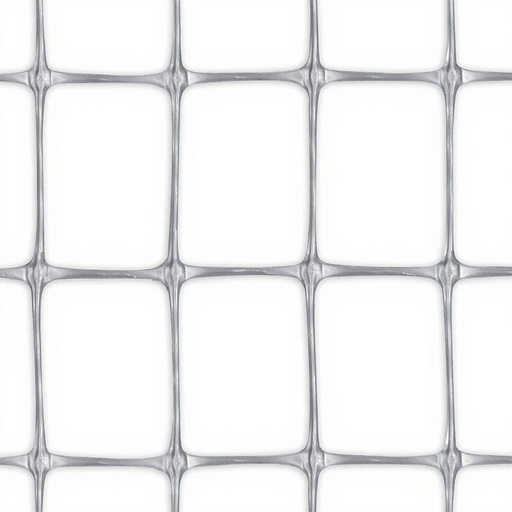
Why we chose it: The ultimate solution for those seeking a durable alternative to metal fencing. This polypropylene net is engineered to offer tensile and puncture resistance comparable to metal, but it will never rust, rot, or corrode.
It sidesteps the trap of low strength. Its molecular orientation manufacturing process gives it exceptional toughness. Its resistance to UV rays and salt corrosion is designed for maximum longevity, even in coastal areas.
Its extreme durability and zero-maintenance design. It's also very lightweight (5 kg per roll), which makes transport and installation significantly easier.
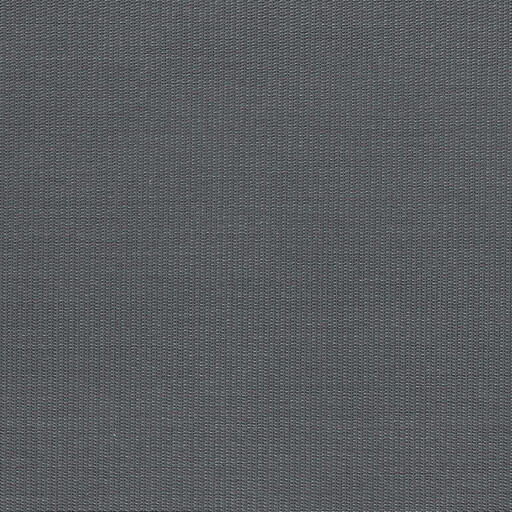
Why we chose it: A privacy solution that blends aesthetics with performance. Made from Textilene (polyester and PVC) with a high density of 580 g/m?, it ensures total privacy while resisting wind, sun, and tears. Its steel grey colour is both modern and discreet.
It doesn't just promise privacy—it guarantees it with its high density. Unlike low-end fabrics that fray, this one can be cut with scissors without damage. Its aluminium eyelets facilitate a strong and durable installation.
High density for maximum privacy and all-weather resistance. Easy to customise and install thanks to the integrated eyelets.
Explore our complete and updated selection of products that meet these strict selection criteria and current safety standards.
Installation depends on the type of mesh and the support structure. For a fence, unroll the mesh along posts (wood, metal, or plastic) and secure it every 50 cm or so with cable ties (like zip ties), galvanised wire, or staples. Stretch the mesh taut to prevent it from flapping in the wind, but without deforming it. For a privacy screen with eyelets, installation on an existing fence or railing is even simpler.
Longevity depends on two key factors: the quality of the polymer and the effectiveness of the UV treatment. A high-quality HDPE or PP mesh with a mass-integrated UV treatment can easily last 5 to 10 years (or even longer) without losing its colour or strength. Conversely, entry-level products can show signs of degradation after the first or second season.
It all depends on the dog's size and temperament, as well as the type of mesh. A small, calm dog can be contained by a sturdy, fine-meshed HDPE fence. However, for a medium or large dog, or an animal that tends to jump or chew, standard plastic mesh is not a reliable solution. In that case, it's better to turn to reinforced solutions like plastic-coated galvanised mesh or fences specifically designed for pets.