
Livraison le jour même ou le lendemain

Qualité garantie

Débloquez vos offres de bienvenue: Livraison GRATUITE | Jusqu'à -80 % | 30 jours d'essai gratuits à JoyPlus
Téléchargez l'application
Whether you're securing a balcony, fencing off a vegetable patch, or adding privacy to a terrace, plastic mesh seems like the perfect simple and affordable solution. However, this apparent ease can hide pitfalls that quickly turn a small DIY project into a major headache. A low-quality product can fade in a single summer, tear at the first gust of wind, or be hazardous to handle.
As a product expert at Joybuy, my job is to help you avoid these disappointments. Let's skip the marketing jargon and get straight to the point. Here are the 3 common mistakes to avoid and the criteria that truly matter to ensure you won't regret your purchase.
To avoid these pitfalls, here are the technical points you must check. These are the true indicators of the quality and lifespan of your mesh roll.
The type of plastic is fundamental. There are two main families:
Different uses require different mesh. Here are a few simple guidelines:
Enough theory, let's get practical. Here is our selection of products that tick all the boxes, designed for specific needs.
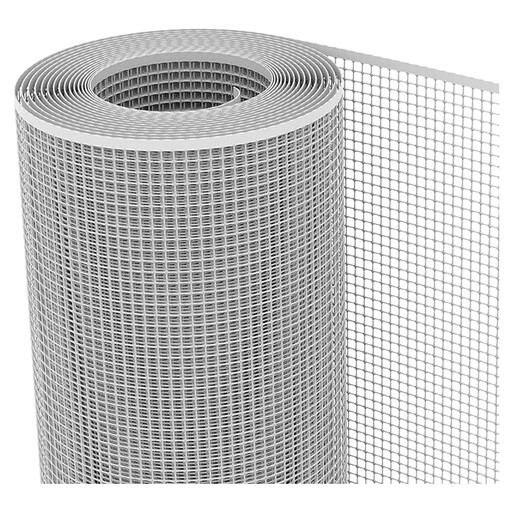
Why we recommend it: Perfect for renters or homeowners who want to secure a balcony without drilling. Its square mesh is fine enough to stop objects from falling or a small pet from getting through, without sacrificing the view or light.
Made of polyethylene, it has smooth, non-sharp edges that make installation simple and safe. The mesh is designed for this specific use, which avoids the problem of an unsuitable size.
Lightweight and easy to handle, it can be cut and attached with simple cable ties. Its silver colour provides a discreet and modern finish.
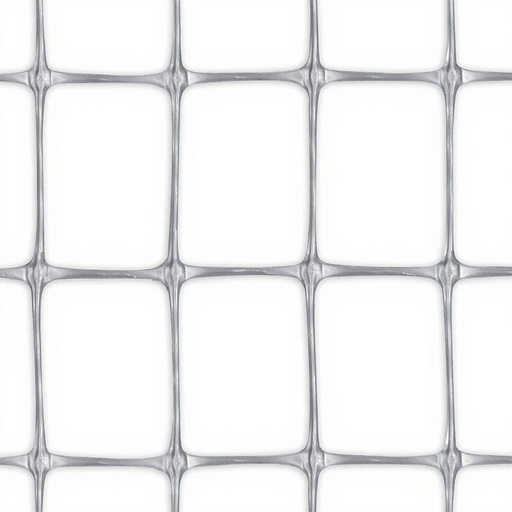
Why we recommend it: This is the long-lasting alternative to metal fencing. This product is built for the long haul, whether for marking a property line, creating an enclosure, or securing a perimeter.
Its secret? High-density polypropylene and a unique molecular process that give it a strength comparable to metal, without ever rusting. Its UV treatment is designed for an exceptionally long lifespan.
Incredibly strong yet very light (5 kg for 25 m), it's easy to transport and install. It requires no maintenance, and the manufacturer guarantees it for 10 years—a true mark of confidence.
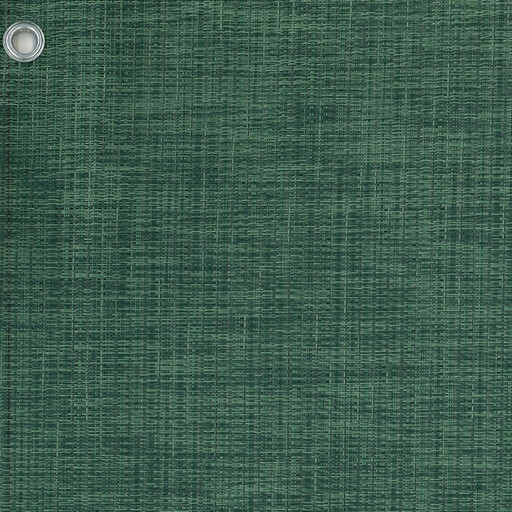
Why we recommend it: For anyone looking to create a private bubble on a balcony, terrace, or along a fence. This terrace privacy screen combines screening, durability, and a polished look.
Its material (Textilene, a blend of polyester and PVC) is designed for high-opacity screening and excellent wind resistance. It cuts cleanly without fraying, avoiding the pitfall of poor-quality finishes.
Installation is child's play thanks to the reinforced edges and pre-installed aluminium eyelets. Simply attach it with ties or a cord.
We have put together a complete selection of products that meet our quality criteria and safety standards.
Its lifespan depends directly on the quality of the plastic and its UV treatment. A low-end mesh will barely last one or two seasons. In contrast, a high-quality product made of treated HDPE or polypropylene, like those in the Tenax range, can last over 10 years without losing its properties or colour.
It's very simple. Measure the length of your railing, then unroll the mesh roll and cut it to the right size with good scissors or cutting pliers. Then, attach it directly to the railing with plastic cable ties (like zip ties), placing one every 20 to 30 cm at the top and bottom. This will ensure perfect tension and a secure attachment.
It all depends on the animal and the mesh. For chicken wire or to contain small, calm animals in a defined area, a sturdy polypropylene mesh is perfectly suitable. However, it is not designed to contain large, heavy, or particularly active animals that could deform or tear it. For those, a metal fence remains essential.