
Livraison le jour même ou le lendemain

Qualité garantie

Débloquez vos offres de bienvenue: Livraison GRATUITE | Jusqu'à -80 % | 30 jours d'essai gratuits à JoyPlus
Téléchargez l'application
Plastic mesh? It seems like a simple, cost-effective solution for securing a balcony, sectioning off a vegetable garden, or putting up a small fence. But beware: this apparent simplicity hides pitfalls that can turn a good deal into a complete waste of money. A product that fades and cracks after just one summer, a mesh too loose to contain anything, a roll that's impossible to install correctly... these are all-too-common scenarios.
To avoid falling into these traps, you need to know how to decode labels and distinguish a reliable mesh from a useless gadget. Here are the key points to check to make a smart, durable choice that truly fits your needs.
To ensure you get it right, focus on three technical points that make all the difference in your mesh's performance and lifespan.
Not all plastics are created equal, especially when exposed to the elements. The choice of polymer is therefore crucial.
For a plastic garden fence or a balcony safety net exposed to the elements, a model made from 100% virgin HDPE is the best guarantee of longevity.
The size of the openings (the mesh) must be chosen based on your specific goal.
Choosing the wrong mesh size makes the product ineffective. For a balcony privacy screen, the mesh should be tight enough to ensure privacy, often used in conjunction with a screening fabric.
These two features are often overlooked, and that's a mistake.
To put theory into practice, here are a few products that exemplify these criteria for different uses.
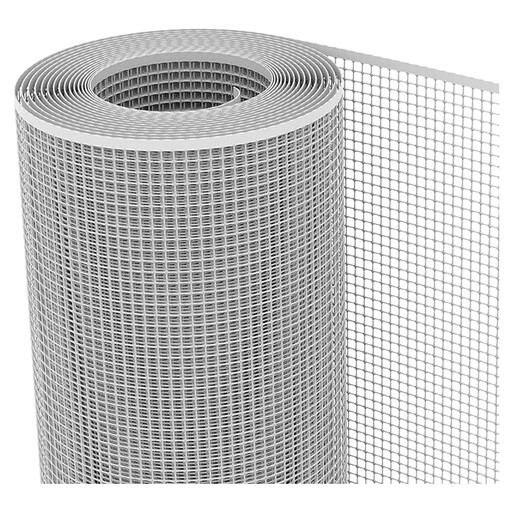
Why we recommend it: Perfect for parents of young children or pet owners. Its fine, square mesh prevents objects from falling and stops pets from getting through, giving you complete peace of mind on your balcony or terrace.
Its tight mesh is designed for safety, avoiding the common trap of a mesh with openings that are too large to be effective. Made from polyethylene, it's built to withstand outdoor conditions.
Its non-sharp edges and robust structure make it a safe and reliable solution for pet safety on a balcony. Versatile, it can also be used for gates or small fences.
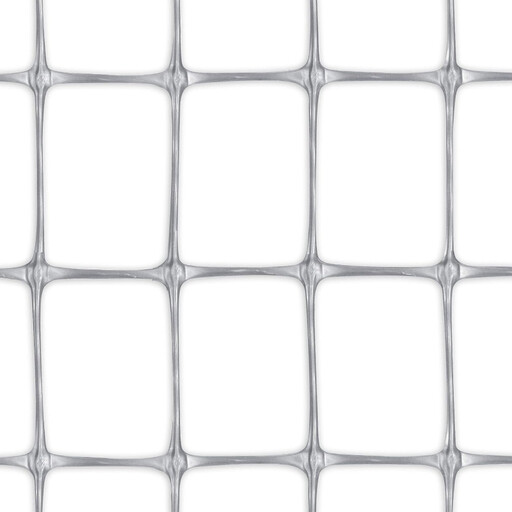
Why we recommend it: For those who want the strength and simplicity of plastic without sacrificing style. Its silver metal-like appearance adds a modern touch to a plastic garden fence or a decorative barrier.
It avoids the "cheap plastic" look. Although made of polypropylene, its high-quality formula is treated to last and resist the elements without ever rusting, unlike metal.
It combines the look of metal with the lightness and ease of installation of plastic. A durable, maintenance-free solution for enhancing an outdoor space without any hassle.
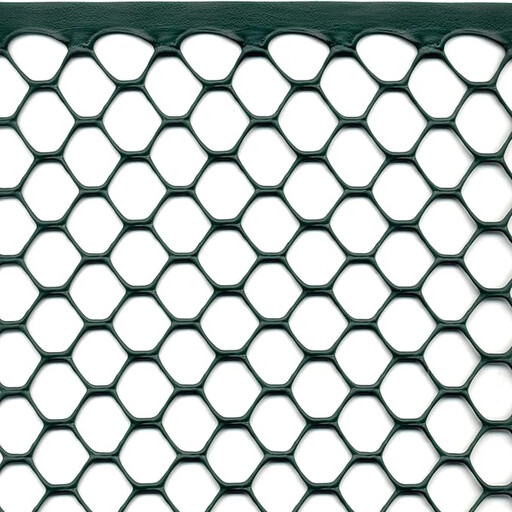
Why we recommend it: Perfect for the occasional DIYer with a one-off need: protecting a few plants, securing a small area on a terrace, or for a creative project. Its compact size is practical and economical.
It prevents waste with its 5-meter length, perfect for small-scale needs. No need to invest in a large, expensive roll that will only be used once. Its reinforced edges simplify installation.
Made from HDPE, it guarantees much better durability than entry-level products, even in this smaller size. The hexagonal mesh is both functional and aesthetically pleasing.
Explore our full selection of products that meet our quality criteria and safety standards.
Its longevity primarily depends on the material and its treatment. A plastic mesh made of HDPE with a good UV treatment, like those from the Tenax brand, can retain its properties and colour for 5 to 10 years, or even longer, depending on its exposure to sun and climate. Conversely, low-end, untreated PP products become brittle in less than two years.
It's very simple: the most common method is to use plastic cable ties to securely attach the mesh to the railing. Unroll the net, pull it moderately taut, and fasten it every 15 to 20 cm at the top, bottom, and sides. Reinforced edges are essential here to prevent the plastic from tearing at the attachment points.
Yes, provided you choose the right product and install it properly. Opt for a balcony safety net with a very fine mesh (10x10 mm or 20x20 mm at most). Ensure the mesh is high enough and perfectly taut, leaving no gaps at the bottom or sides where your pet could squeeze through. The strength of HDPE is enough to deter a cat, but be aware that it is not an insurmountable barrier for a particularly determined large dog.