
Same-day & Next-day Delivery

Quality Guaranteed

Unlock Your Welcome Offers: FREE Delivery | Up to 80% OFF | Free 30-day JoyPlus trial
Download the APP
A TENAX plastic fencing net can be used to define a garden, protect a patio, reduce gusts on a balcony or support climbing plants. However, not every model is designed for the same purpose. A decorative mesh intended to contain lightweight objects cannot replace netting designed for long-lasting fencing.
Before placing your order, pay particular attention to the material, roll dimensions, stated UV resistance and fixing system. A few simple checks can help you avoid the most common mistakes.
An outdoor plastic fence can prevent a plant pot, toy or debris from falling over a railing. That does not mean it can hold a person, support a load or replace a guardrail. TENAX Quadra 05 netting, for example, is designed to contain small objects, but its product information specifies that it does not protect against people falling.
On a balcony, therefore, check the intended use as well as the strength of the anchoring points. If you live in a condominium, also consult the building regulations before altering the appearance of a railing or façade.
The width and length provide an initial estimate of the area covered, but you must also account for overlaps, cuts and the extra material needed for fixing. A 1 × 25 m roll theoretically covers 25 m², but the actual installed area will often be slightly smaller.
Measure the length to be enclosed, allow extra material for corners and determine whether the netting will be installed vertically or horizontally. For a relatively tall garden fence, a 1.5 or 2 m-wide roll can help avoid unnecessary joins.
An installation in full sun, in a coastal area or on a terrace with significant wind exposure places greater demands on the material. Information about UV treatment, weather resistance and resistance to salty air therefore deserves your full attention.
Polypropylene and polyethylene are lightweight and do not rust like metal. Their service life nevertheless depends on exposure, applied tension and the quality of the fixing. Avoid overstretching flexible mesh, and do not install it near a heat source.
A flexible polypropylene fence is suitable for homeowners looking for a lightweight solution that is easy to transport and cut. TENAX Millennium models are advertised as being made from high-density polypropylene, with longitudinal and transverse molecular orientation designed to improve resistance to tensile stress, tearing and impact.
For installations in full sun, look for the wording UV-stabilised or UV-resistant. This indicates that the material is designed to retain its properties during prolonged outdoor exposure. It is still important to inspect the netting regularly, especially after periods of strong winds.
The 35 × 48 mm mesh of Millennium models is suitable for residential screening or garden fencing where airflow needs to be maintained. With its 4 × 4 mm mesh, TENAX Quadra 05 is better suited to containing small objects, protecting railings and closing off small openings.
For a trellis for climbing plants, the mesh must be sufficiently open to allow stems to grip and grow. TENAX Flora, available in a 1.5 × 10 m format, can be attached to posts, a frame or an existing fence.
Prepare cable ties, staples or fasteners compatible with the supporting structure. On a terrace or balcony, distribute fixing points evenly to prevent the wind from placing excessive strain on a single area.
In coastal locations, choose fasteners that can withstand prolonged exposure to moisture and salt. Millennium models are presented as suitable for saline environments, while TENAX Mistral is primarily intended to reduce the impact of wind and improve visual privacy.
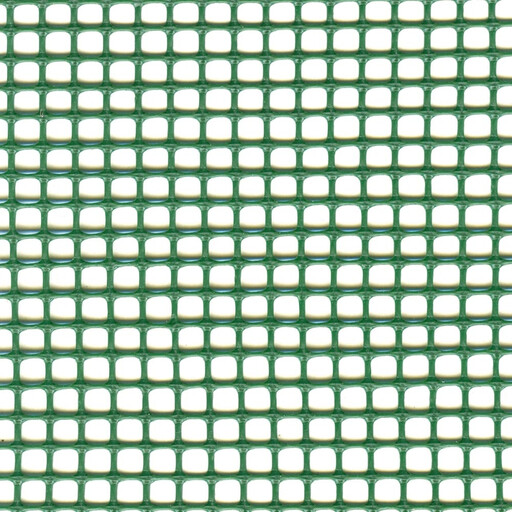
Why this model suits this profile: its 50 m roll is practical for balconies, terraces and garden barriers requiring multiple cuts.
Its 4 × 4 mm mesh is clearly intended to contain small objects, not to protect people.
A 1 × 50 m roll, easy cutting with scissors and installation using cable ties or staples.
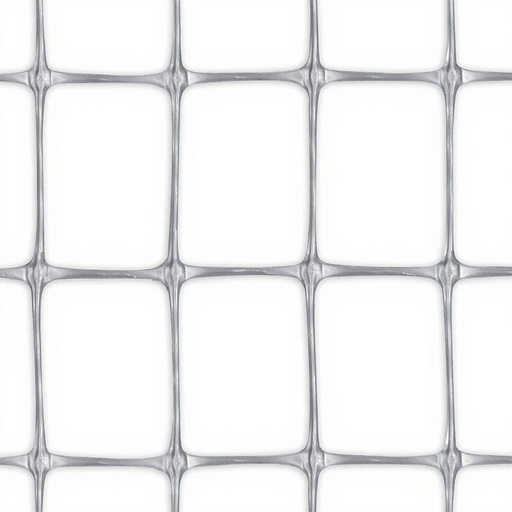
Why this model suits this profile: it is suitable for durable residential fencing, including in areas with high exposure to sunlight or salty air.
The product information mentions UV stabilisation, impact resistance and a 10-year warranty. Check the applicable terms before purchasing.
High-density polypropylene, a 35 × 48 mm mesh and a stated roll weight of 5 kg.
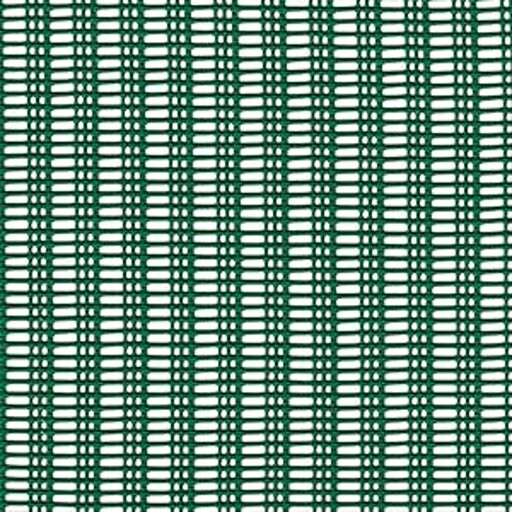
Why this model suits this profile: its decorative appearance is ideal for those looking to enhance a terrace or balcony while reducing the impact of the wind.
It is presented as windbreak netting for terraces, not as structural fencing or fall-protection equipment.
A 30 m roll, an alternating rectangular pattern, easy cutting and polyethylene advertised as UV-resistant.
Explore a regularly updated selection of solutions for enclosing, protecting or enhancing your outdoor spaces according to their size and intended use.
Unroll the netting on a stable surface or along a clean support. For fencing, distribute the fasteners at regular intervals, reinforcing the fixings at corners and ends. Never use it as a load-bearing structure, ladder or climbing aid.
A simple rinse with water is generally sufficient to remove dust and plant residue. After a period of strong winds, check the fasteners and replace any deformed or torn sections. Wear gloves when installing trellis netting for climbing plants, and keep it away from flames and significant heat sources.
Its service life depends on exposure to sunlight, wind, applied tension and the quality of the fixing. Some Millennium models list a 10-year warranty on their product pages. This does not mean that every installation will last for the same length of time: check the warranty terms and maintain the netting regularly.
For containing small objects, TENAX Quadra 05, with its 4 × 4 mm mesh, is the most suitable option. To reduce wind and create visual separation, TENAX Mistral is better suited to outdoor enhancement. Neither product should be considered protection against a person falling.
TENAX Millennium polypropylene models are presented as suitable for saline environments and as rust-free. In a coastal area, also choose fasteners that resist moisture and inspect them regularly: wind and salt can accelerate wear across the entire installation.