
Livraison le jour même ou le lendemain

Qualité garantie

Débloquez vos offres de bienvenue: Livraison GRATUITE | Jusqu'à -80 % | 30 jours d'essai gratuits à JoyPlus
Téléchargez l'application
Plastic fencing has become a smart solution for marking a garden boundary, securing a balcony, or creating an enclosure. Lightweight, easy to install, and affordable, it looks great on paper. But be warned: not all rolls are created equal. Behind similar appearances, you can sometimes find very poor investments.
As a product expert at Joybuy, my mission is to help you sort through the options. Here are the pitfalls to avoid and the essential criteria for making an informed choice.
Before you get started, watch out for these three common mistakes that can turn your project into a nightmare.
To ensure you're making the right choice, focus on these three technical parameters. They reveal the true quality and durability of your future fencing.
The raw material is the crucial factor. It determines the rigidity and strength of your fencing.
The size of the openings should be chosen based on your specific goal.
This is a non-negotiable feature for any outdoor use. Quality fencing must explicitly state that it is UV-stabilised or UV-treated. This chemical protection, integrated into the core of the plastic, prevents sunlight from degrading the polymers. It's your assurance that your fencing will retain its flexibility and colour for many years to come, even in direct sun.
To help you bring your project to life, we have selected products that meet specific needs, taking into account the quality criteria we've discussed.
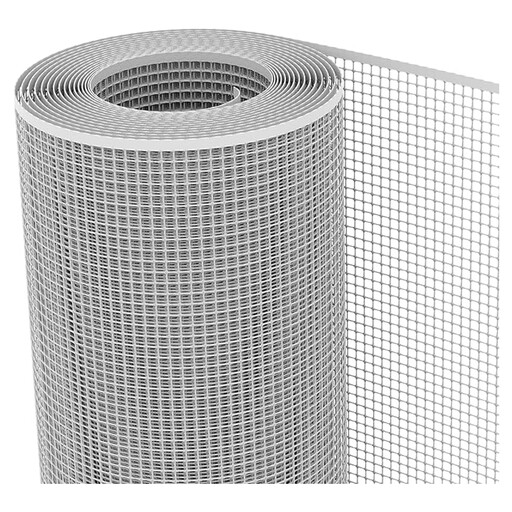
Why we chose it: The go-to for DIYers looking for a quick and safe solution. Its light weight and non-sharp edges make it perfect for securing a balcony or fencing a small vegetable patch without any hassle.
Made from high-density polyethylene (HDPE), it's designed to withstand the elements and won't become brittle after one season. Its square mesh is designed for domestic protection.
Versatility and safety thanks to its smooth edges—a real bonus for high-traffic areas and spaces used by children.
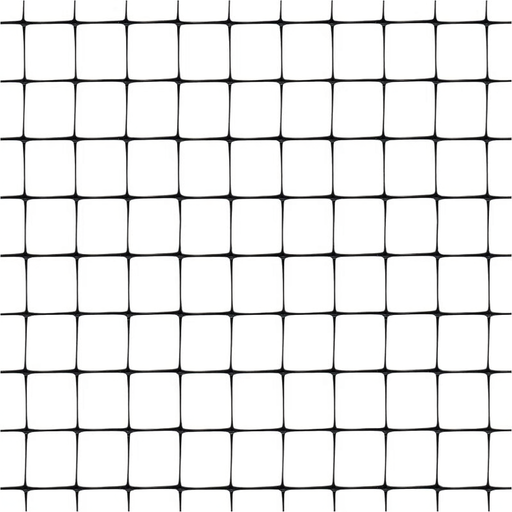
Why we chose it: The benchmark for pet owners and agricultural applications that demand rock-solid durability. It's perfect for building a poultry run or a perimeter fence for small livestock.
Its molecular biorientation manufacturing process gives it far superior tensile and tear strength compared to standard mesh, eliminating the risk of breakage.
High strength in a lightweight package, making it much easier to transport and install than traditional metal fencing, while still being fully UV-treated.
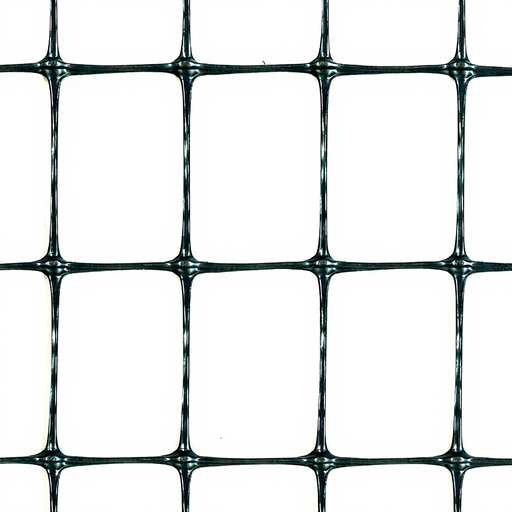
Why we chose it: For those who refuse to compromise on performance or design. Its metal-like appearance and anthracite colour add a modern, discreet touch to any property.
Made from 100% virgin polypropylene, UV-stabilised through and through, and resistant to salt corrosion, it won't rust or fade, avoiding the premature aging of low-end options.
It combines the aesthetic of rigid fencing with the light weight and ease of installation of plastic. It requires zero maintenance (no painting or rust-proofing).
Explore our full selection of products that meet our quality criteria and current safety standards.
Installation is usually straightforward. Unroll the fencing roll along posts or an existing support (like a balcony railing). Secure it at regular intervals using plastic zip ties, galvanised wire, or staples. For attaching to wooden posts, a heavy-duty staple gun like the HAUSHOF kit is very effective. The key is to stretch the mesh tightly for a stable and neat finish.
It all depends on its quality. An entry-level, untreated model will barely last a season. In contrast, a high-quality polypropylene or polyethylene mesh with a high-performance UV treatment can last between 5 and 10 years, or even longer, depending on its sun exposure and weather conditions.
This depends on the dog's size and temperament, as well as the strength of the fencing. For a small, calm dog, a plastic mesh with high tensile strength, like the bioriented polypropylene models, may be sufficient if installed perfectly. However, for medium, large, or particularly energetic dogs, rigid metal fencing remains a more secure and recommended solution.