
Livraison le jour même ou le lendemain

Qualité garantie

Débloquez vos offres de bienvenue: Livraison GRATUITE | Jusqu'à -80 % | 30 jours d'essai gratuits à JoyPlus
Téléchargez l'application
Looking to fence in your garden, secure a balcony, or protect your vegetable patch? Plastic fencing seems like the perfect solution: simple, cost-effective, and efficient. In theory. In practice, many buyers are disappointed by a product that disintegrates after the first winter, can't withstand the neighbour's cat, or turns out to be a nightmare to install. To prevent a good idea from becoming a bad investment, here's how to avoid the most common pitfalls.
Here are 3 frequent mistakes that can turn a good idea into a bad investment:
To be sure of your decision and choose a plastic fence that will live up to its promises, forget the marketing slogans for a moment and focus on these few decisive technical points.
The type of plastic is the first clue to its longevity. The two main types are:
But the real secret, the non-negotiable criterion, is mass-stabilised UV protection. In practical terms, this means the protective agents are mixed into the plastic at the source, not just sprayed on the surface. A UV-resistant fence designed this way will retain its flexibility and colour for years.
The shape of the mesh (square, rectangular, hexagonal) and especially its size will directly dictate how you can use it.
A good roll of plastic fencing should be a pleasure (or at least, not a chore) to install. Carefully inspect the edges of the net: smooth, reinforced edges, also known as selvedges, are an excellent indicator of quality. They simplify attachment (with zip ties or staples), distribute tension more evenly, and prevent tears at the first gust of wind. It's the guarantee of a clean, long-lasting installation.
To help you visualise how these criteria apply in practice, here are a few options tailored to specific needs.
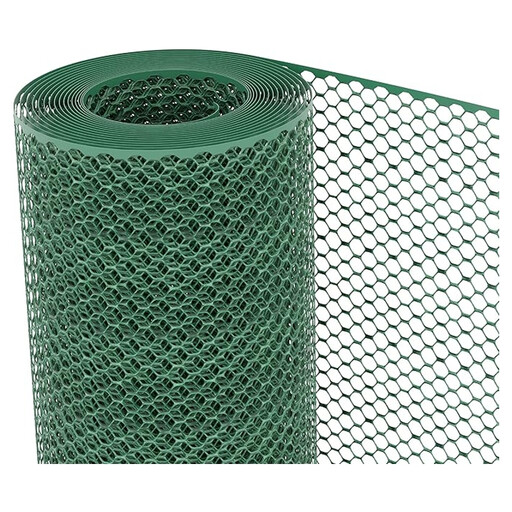
Why we chose it: Specifically designed for balcony and terrace safety, this non-toxic HDPE netting is the peace-of-mind solution for pet owners and parents.
Its mass-stabilised UV treatment guarantees excellent durability over time, even in direct sunlight. Its smooth, reinforced edges eliminate any risk of cuts or tears during installation.
Its non-cutting edges allow for completely safe handling, for both you and your pets. A detail that makes all the difference for family use.
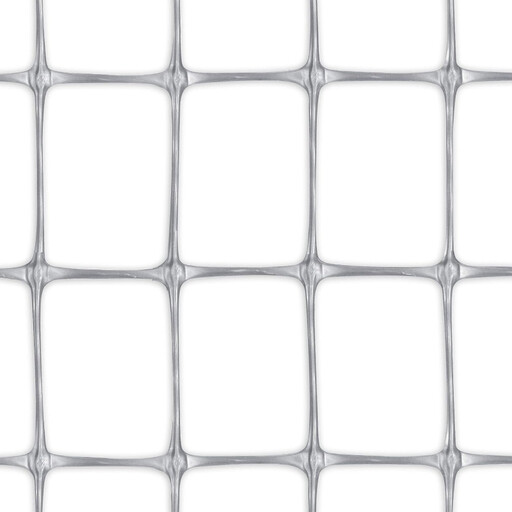
Why we chose it: For those who want the look of a metal fence without the drawbacks (rust, weight, price). Its silver finish adds a fresh, modern touch to a garden or property line.
Made from high-quality polypropylene (PP), it is impervious to rust and weather. Say goodbye to the rapid degradation and aged look of low-end plastics.
Its feather-light weight makes it incredibly easy to handle and install, even on your own. It's nothing like transporting and setting up a traditional metal fence.
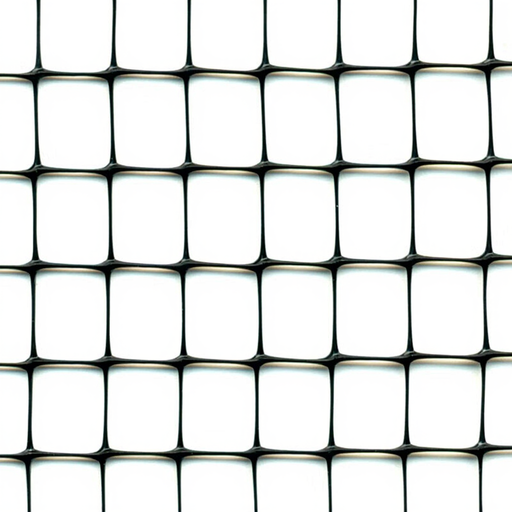
Why we chose it: Perfect for professional use or very large projects (vegetable gardens, orchards), this 100m roll boasts exceptional tensile and tear strength. Ideal for building aviaries or large poultry enclosures.
Its unique manufacturing process (molecular bi-orientation) gives it unparalleled strength. No more falling into the trap of fencing that seems sturdy but gives way under intensive use.
Despite its robustness, it remains much lighter and more manageable than a metal fence of equivalent dimensions. A decisive advantage when you need to cover long distances.
Explore our full selection of products that meet our quality criteria and current safety standards.
It's very simple. Unroll the mesh along the railing. Secure it firmly with plastic zip ties or staples, placing one every 20 to 30 cm. Remember to pull the net taut during installation for a clean result and maximum safety.
It all depends on the quality of the UV treatment. An entry-level model will barely last one or two seasons. Conversely, a quality fence with "mass-stabilised" treatment (in stabilised HDPE or PP) can easily last between 5 and 10 years, and even longer, depending on its sun exposure.
A model with a very fine mesh can indeed create a light privacy screen effect and filter views. However, for complete obscurity and true privacy, it's better to opt for a dedicated solution like a reed screen or an occultation fabric. The primary role of plastic fencing remains demarcation and protection, not to block the view.