
Livraison le jour même ou le lendemain

Qualité garantie

Débloquez vos offres de bienvenue: Livraison GRATUITE | Jusqu'à -80 % | 30 jours d'essai gratuits à JoyPlus
Téléchargez l'application
Plastic fencing is a simple and cost-effective solution for marking a property line, protecting a vegetable garden, or securing a balcony. But be warned: with an overwhelming number of options on the market, pitfalls are common, and a poor choice can quickly turn into a disaster. A low-quality product can disintegrate in a single season, prove too flimsy for its intended purpose, or simply fail to do its job.
Before you pull out your credit card, it's crucial to know how to distinguish durable plastic fence netting from a gimmicky solution. Here are the red flags that should set off alarm bells?:
To be sure you're making the right choice, don't just trust the marketing. Focus on three technical specifications that never lie. These are the true guarantors of the quality and durability of your future plastic fencing.
The lifespan of your fence primarily depends on its raw material. There are two main plastics on the market?: polyethylene (PE) and polypropylene (PP).
Regardless of the material, the mention "UV-treated" is non-negotiable. This chemical treatment stabilises the plastic and prevents it from degrading under solar radiation, thus guaranteeing a lifespan of several years, even in harsh, direct sunlight.
Be careful, thickness doesn't equal strength! What matters is the fence's ability to handle tension. A quality flexible fence must be able to be stretched between posts without deforming or breaking. This is a non-negotiable point for a poultry enclosure that must withstand determined occupants or for a garden fence that won't sag after six months.
The structure of the mesh (square, rectangular, diamond) also affects its resistance. Fences like the Tenax Millennium range, for example, use threads oriented in both directions (longitudinal and transverse) to better distribute forces and offer very high tensile strength.
Finally, common sense dictates that you must adapt the fence to your project?:
To help you see how these criteria apply in practice, here are a few options tailored to different user profiles.
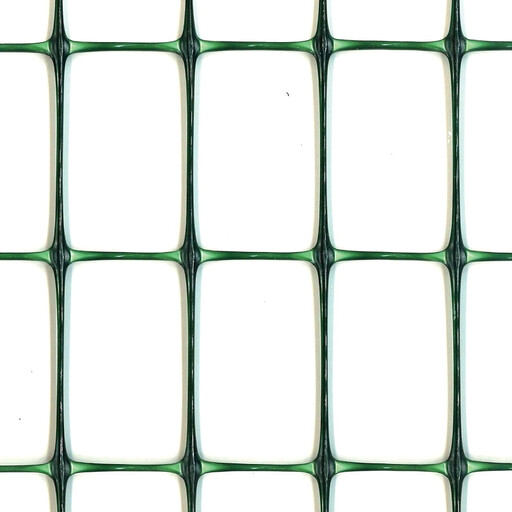
Why we recommend it: This is the perfect product for small projects like protecting a flowerbed, creating a garden border, or supporting climbing plants. Its 10-metre length and feather-light weight make it very easy to handle and install by yourself.
This fence is built to last. Its discreet green colour and manufacturing by a recognised brand like Tenax are marks of quality compared to generic products that visibly degrade.
Versatility and ease of installation. Lightweight (2 kg) and compact, it can be cut and secured effortlessly to suit a multitude of home uses.
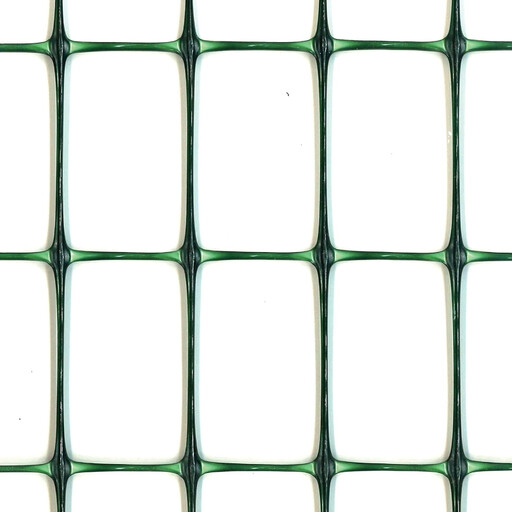
Why we recommend it: The ideal solution for a durable residential fence that sacrifices neither security nor style. Its 1.50 m height offers excellent protection, and its anthracite colour adds a modern, understated touch. It is designed for demanding applications, including on construction sites.
It checks all the boxes to avoid the pitfalls of fragility and premature degradation. Made from UV-stabilised polyethylene, it is designed to withstand the elements without rusting or corroding. Its high tensile strength prevents sagging.
Robustness and longevity. It offers a reliable alternative to metal fencing, without the maintenance, and its wind permeability reduces the risk of damage during strong gusts.
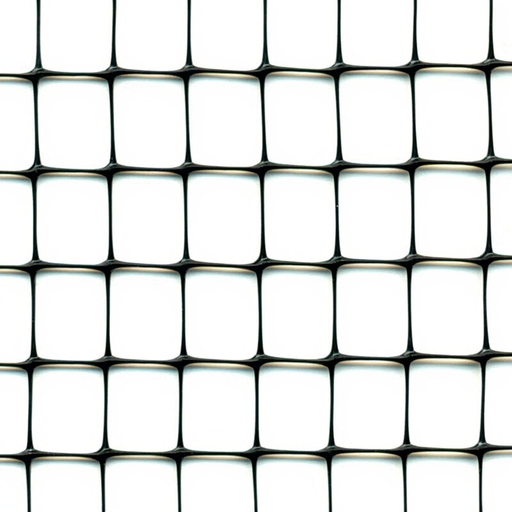
Why we recommend it: Engineered for professional use and very large properties. The 100-metre roll is economical for creating vast enclosures, aviaries, or protecting large-scale crops. Its flexibility makes it easy to adapt to varied terrain.
This model perfectly solves the problem of mismatch : it is specifically designed as bird netting and for aviary construction, guaranteeing a mesh size and strength engineered for this precise use.
The area-to-price ratio and its versatility. It is as effective for crop protection as it is for creating enclosures for small animals or marking out agricultural plots.
Discover our full selection of products that meet our quality criteria and current standards.
The lifespan depends mainly on the quality of the UV-protective treatment and the thickness of the material. A good polypropylene or polyethylene fence, properly treated against UV rays, can easily last 5 to 10 years, or even longer, depending on its exposure. In contrast, low-end, untreated products can become brittle in less than one season.
For a professional installation, plan for posts (wood, metal, or plastic) spaced 2 to 2.5 metres apart. Unroll the flexible fence and attach it to the first post with plastic zip ties or galvanised wire. Stretch it moderately to the next post before securing it, and so on. Proper tension is crucial to prevent the fence from sagging. For added rigidity, you can add a tension wire at the top and bottom of the fence.
Absolutely, provided you choose the right model. Opt for a fence with high tensile and tear resistance, such as those that have undergone molecular biorientation. Plan for a height of at least 1.20 m to 1.50 m to prevent your poultry from making a great escape. Also, ensure the mesh is small enough to contain chicks and deter small predators. Finally, consider burying the base of the fence about ten centimetres deep to discourage any attempts to dig out.