
Livraison le jour même ou le lendemain

Qualité garantie

Débloquez vos offres de bienvenue: Livraison GRATUITE | Jusqu'à -80 % | 30 jours d'essai gratuits à JoyPlus
Téléchargez l'application
A small cut in the kitchen, a graze after a bike ride or a blister caused by new shoes may not all need protecting in the same way. Yet the shelves dedicated to plasters and wound care are packed with different formats, materials and promises. This can make choosing the right product harder when you are shopping.
Before adding to your first-aid kit, it is best to avoid these three common mistakes:
For a cut or superficial graze, adhesive plasters with a non-stick pad are generally the most practical option. The pad prevents direct contact with the wound and makes removal easier, in accordance with the instructions on the packaging.
For water-based activities, waterproof plasters are designed to limit contact with water. However, check the replacement instructions: some need to be changed after getting wet or as soon as they start to come away.
For blisters caused by footwear, hydrocolloid plasters cover the area with a material that forms a gel when it comes into contact with wound fluid, according to the manufacturers’ instructions. They are available in several formats, including options for toes, the sole of the foot and the heel.
An assortment of pre-cut plasters is easy to keep at home or in a travel bag. It allows you to deal with several minor injuries quickly. For an unusual or larger area, a roll that can be cut to size offers greater flexibility.
In particular, remember to check:
People who are sensitive to adhesives may also prefer a latex-free model, provided this information is clearly stated.
A well-planned kit brings together several categories rather than stocking up on multiple examples of just one model:
Keep sterile dressings in their packaging until you are ready to use them. If the sachet is open or damaged, do not use it. Single-use products must never be reused.
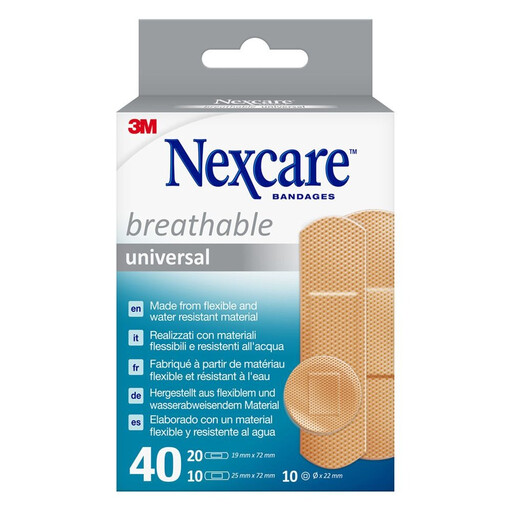
Why this choice suits this profile : With 40 plasters in three formats, this assortment covers everyday minor injuries at home, in the office or while travelling.
The different formats mean you do not have to use the same plaster everywhere. The backing is described as breathable and water-resistant.
A non-stick pad, an elastic material and a box containing 40 plasters.
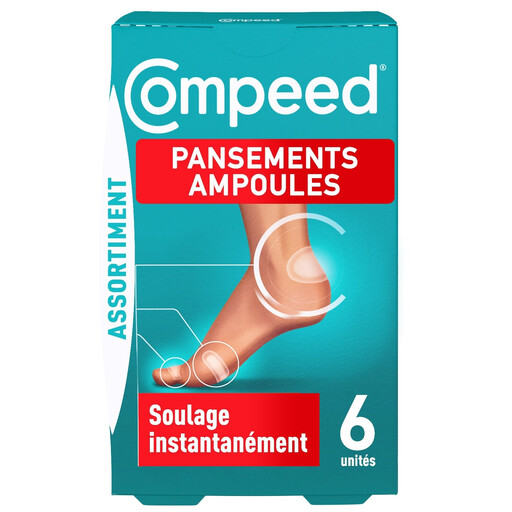
Why this choice suits this profile : This assortment includes medium, small and toe-specific formats, making it practical when blisters do not always develop in the same place.
Choosing the right size reduces the risk of covering too little of the blister or, conversely, using a plaster that is unnecessarily bulky.
Six plasters in three formats, with hydrocolloid technology stated on the product page.
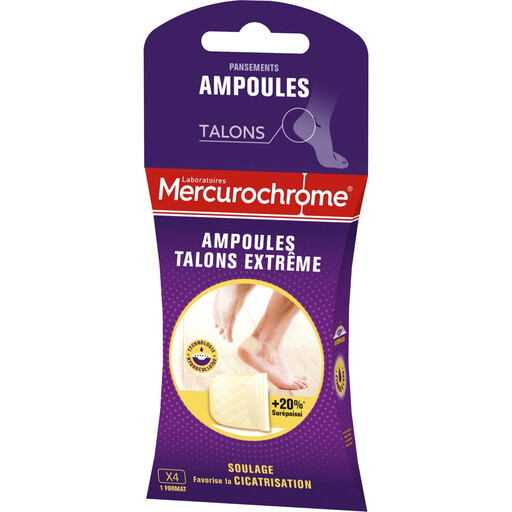
Why this choice suits this profile : This format is designed for heel and sole blisters, particularly when hiking, taking part in sports or wearing stiff footwear.
Its dedicated shape means you do not have to repurpose a rectangular plaster for an area that is particularly prone to rubbing.
An extra-thick relief mesh, tapered edges and water resistance stated on the product page.
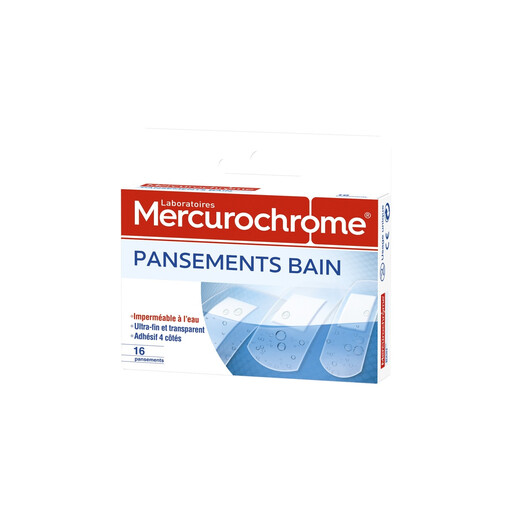
Why this choice suits this profile : The 16 pre-cut formats are ideal for travellers and anyone who wants to protect small wounds in the shower, bath or while out and about.
The pre-cut format avoids awkward cutting, while the non-stick pad makes removal more comfortable.
A transparent, thin and breathable backing, with waterproof protection stated for small superficial wounds.
Clean the wound according to the instructions in the leaflet, then gently dry the skin around it before applying the plaster. Avoid stretching it, as this can affect comfort and adhesion. Replace it as soon as it becomes wet, dirty or loose, following the manufacturer’s instructions.
A plaster is not suitable for every situation. In the event of a deep wound, bite, serious burn, heavy bleeding or signs of infection, seek medical advice promptly. People with diabetes or circulation problems should also consult a healthcare professional if they injure their foot.
It depends on the model and the condition of the dressing. A classic plaster should generally be changed as soon as it becomes wet, dirty or loose. For a hydrocolloid plaster, follow the instructions and remove it gently when it starts to come away or if irritation develops.
They are designed to limit contact with water, but how well they stay in place varies depending on the area being protected, movement and how long you are immersed. Check the recommended use on the packaging and replace the plaster after swimming if it no longer adheres properly.
When dressing tape is used to hold a dressing in place, put a sterile dressing between the adhesive and the wound. Some plasters already include a dressing : in that case, do not add anything that is not specified in the instructions.